







Go Beyond Plain Water
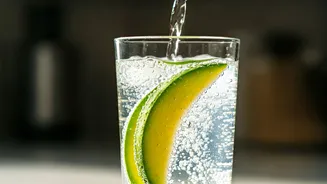
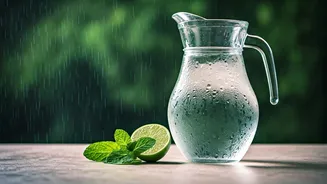
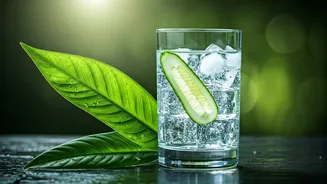
While drinking enough water is essential, how you drink it matters. Instead of chugging large amounts at once, which can make you feel bloated, sip water consistently throughout the day. [3, 9] This ensures a steady supply of fluids. For a flavourful
and functional twist, try infused water. Adding ingredients like cucumber, lemon, or mint not only makes water more appealing but also adds trace minerals. [28, 29] Trending options like smart water bottles can also help by tracking your intake and sending reminders, ensuring you never forget to drink. [19]
Prioritise Essential Electrolytes
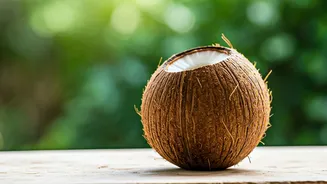
High humidity leads to heavy sweating, causing your body to lose vital electrolytes like sodium, potassium, and magnesium. [3] Replenishing these is key to proper hydration, as they help your body absorb and retain water. [25] Instead of reaching for sugary sports drinks, consider natural sources. Coconut water is nature's electrolyte powerhouse, rich in potassium. [5, 18] Traditional Indian drinks like nimbu pani (lemonade with a pinch of salt and sugar) and sattu sharbat are also excellent for restoring this balance. [11, 20]
Eat Your Hydration
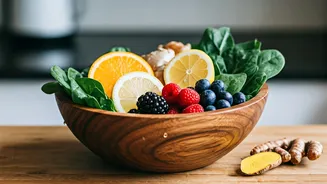
Roughly 20% of your daily fluid intake can come from the foods you eat. [2] During the monsoon, load up on fruits and vegetables with high water content. Cucumbers, watermelon, oranges, and spinach are all fantastic choices that are readily available. [4, 18, 24] These foods not only provide hydration but are also packed with essential vitamins and minerals that support overall health. [14] Incorporating them into your meals as salads, smoothies, or snacks is an easy way to supplement your fluid intake and stay energised.
Listen for Your Body's Dehydration Cues
Thirst isn't the only sign of dehydration, and in humid weather, you might not feel thirsty even when your body needs fluids. [10, 14] Pay attention to other subtle cues. Fatigue, dizziness, dark-coloured urine, and headaches are common early signs. [7, 8, 13] Using urine colour as a quick check is a practical method; pale yellow is the ideal target, indicating you are well-hydrated. [3, 18] If you experience these symptoms, don't wait to rehydrate.
Embrace Traditional Cooling Drinks
India has a rich tradition of preparing drinks that are perfect for staying cool and hydrated. Chaas (spiced buttermilk) is a probiotic-rich beverage that aids digestion and cools the body. [5, 6] Jaljeera, a tangy drink made from cumin and mint, is another excellent digestive and hydrating agent. [6] For those looking for something different, Aam Panna, made from raw mangoes, is known for its heat-resistant properties and ability to replenish sodium and iron lost through sweat. [5, 6, 17]
Mind Your Caffeine and Sugar Intake
While a hot cup of chai is a monsoon staple, be mindful of your intake of caffeinated beverages like coffee and tea, as well as sugary drinks and alcohol. These can have a diuretic effect, causing your body to lose more fluid. [4, 23] If you do indulge, try to balance it with an extra glass of water or other hydrating alternatives. [23] Unsweetened herbal teas, like peppermint or hibiscus, can be refreshing and hydrating choices without the negative effects. [28, 29]
Dress to Stay Cool
Your clothing choices can significantly impact how your body manages heat and moisture. In high humidity, sweat doesn't evaporate efficiently, trapping heat. Opt for lightweight, loose-fitting, and breathable fabrics like cotton or linen. [4, 9] Light-coloured clothing is also preferable as it reflects sunlight rather than absorbing it. [4] This simple, non-dietary strategy helps your body's natural cooling process work more effectively, reducing excessive sweating and fluid loss.