




The Spirit in the Petals
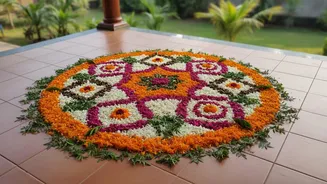
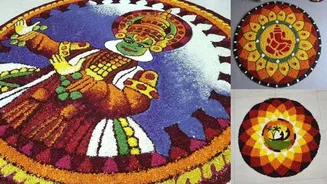
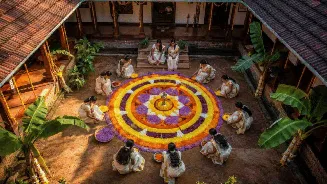
A pookkalam is more than just a decoration; it’s a ritual of welcome for the beloved King Mahabali, whose spirit is believed to visit during Onam. Traditionally, the design starts on the first day, Atham, with a single, small ring of flowers, and grows
larger over the ten days of the festival. Each ring and colour has significance. The circular shape represents harmony and unity, making it a perfect starting point for any design, big or small. The true essence isn't in the size, but in the act of creation, the coming together of family, and the celebration of nature's bounty.
Plan for Your Space
Before you buy a single flower, choose your location. A corner of the living room, a spot near the main door, or a cleared section of a balcony are all excellent choices for a smaller pookkalam. For apartment dwellers, a compact design at the entrance is a welcoming gesture that doesn't obstruct the way. Once you have your spot, decide on a size—even a design of one or two feet in diameter can be beautiful. Use chalk or rice flour to lightly draw your outline on the clean floor. A simple circle is the most traditional and easiest to manage, but a square, star, or even a simple four-petal flower shape can also work beautifully in a smaller footprint.
Choose Your Flowers Wisely
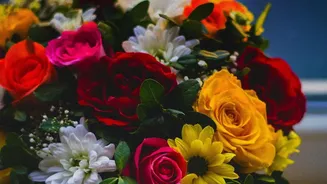
The key to a vibrant pookkalam is a good selection of flowers. Traditionally, flowers endemic to Kerala like Thumba, Chethi (Ixora), and Shankupushpam (Butterfly Pea) are used. However, accessibility is key. Marigolds (jamanthi) in bright yellows and oranges are a staple and last well. Chrysanthemums, rose petals, and jasmine (malli) are also excellent choices for adding colour and texture. For a small design, you don’t need dozens of varieties. Aim for three to five contrasting colours. Think a base of bright yellow marigold, a ring of pure white jasmine or tuberose, and highlights of red rose petals or deep orange lantana (kongini). Buying flowers on the morning you plan to make the pookkalam ensures they look fresh and last longer.
Designing for Impact
With limited space, clever design makes all the difference. Start filling your design from the center and work your way outwards. This prevents you from smudging the petals as you work. A dense, tightly packed layer of petals creates a more lush and impactful look than a sparse one. Focus on creating clean, defined rings of colour. Contrast is your best friend in a small design; placing a ring of white flowers next to a ring of deep red or orange will make the pattern pop. You can also create simple geometric patterns like checkerboards or spirals. Even a single, large flower motif at the center of a circular design can be incredibly striking.
Finishing Touches for the Festive Feel
The pookkalam itself is the main event, but a few final touches can elevate it. Traditionally, a pyramid-shaped clay figurine called a Thrikkakarappan is placed in the center to be worshipped. You can also enhance your design by placing a traditional brass lamp (nilavilakku) or a few small diyas around its border. The gentle flicker of a flame adds a warm, sacred glow, especially in the evening. Some people also like to use green leaves to create a final border, which gives the design a crisp, finished edge. A light mist of water from a spray bottle can help keep the petals from wilting, preserving your beautiful creation for a few extra hours.