




The Arrival of a Craving
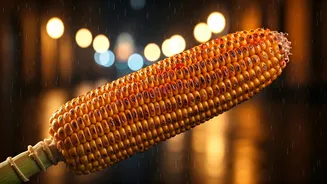
There are foods, and then there are feelings. Bhutta, or roasted corn on the cob, during the monsoon falls firmly into the latter category. It’s not merely a snack; it’s an event, a ritual that marks the arrival of the rains. As the temperature drops
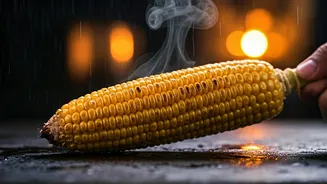
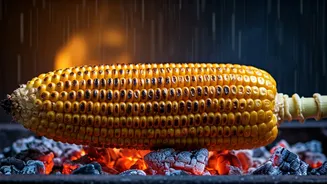
and the world is washed in shades of grey, street corners across the country come alive with the glow of charcoal embers. Perched atop these makeshift stoves are vendors, patiently turning cobs of corn, fanning the flames with a piece of cardboard, and sending a smoky, sweet aroma into the damp air. This scent is a siren call, promising warmth, comfort, and a taste that is intrinsically linked to the season.
The Star of the Show: Bhutta
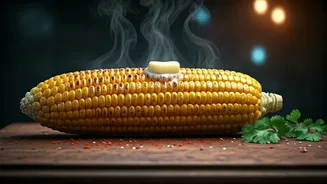
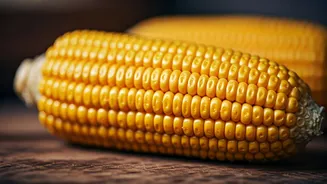
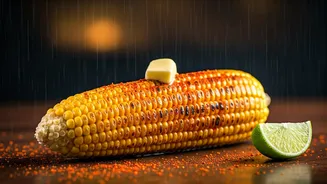
Not all corn is created equal, and the bhutta experience often depends on the type of corn you favour. There is the traditional ‘desi’ bhutta, a pale yellow or white variety with smaller, tougher kernels. Roasting it over charcoal coaxes out a smoky, nutty flavour and gives it a satisfyingly chewy texture. Each bite is a workout, a commitment to extracting every bit of its rustic goodness. In recent years, the sweeter, juicier American sweet corn has become a popular alternative. Its plump, bright yellow kernels burst with sugary liquid when bitten into, offering a different, yet equally delightful, experience. The choice between the two is a matter of personal taste and nostalgia, a debate as old as the modern bhutta stand itself. But whichever you choose, the magic truly begins after it leaves the fire.
The Holy Trinity of Flavour
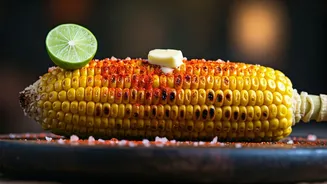
A plain roasted cob of corn is pleasant. A bhutta is a masterpiece of flavour engineering, thanks to its three essential accompaniments. First comes the lime. A half-cut lime is dipped into a mound of spices and then rubbed vigorously all over the hot cob. The heat of the corn releases the lime’s essential oils, and its sharp, acidic juice cuts through the sweetness and starchiness of the corn, brightening every bite. Then comes the salt, which acts as a flavour amplifier, making both the corn and the lime taste more intensely of themselves. Finally, there is the masala. This is not a single spice, but a carefully guarded blend that varies from vendor to vendor. It typically includes red chilli powder for a fiery kick, black salt (kala namak) for its funky, sulphuric tang, and often chaat masala or roasted cumin powder for an earthy, complex depth. This trinity doesn’t just coat the corn; it transforms it.
More Than Just a Snack
To eat bhutta is to participate in a shared cultural experience. It’s about huddling under a vendor’s flimsy plastic sheet, shielding your snack from the downpour. It’s the camaraderie of strangers, all bound by the same seasonal craving. It’s the messy, hands-on affair of eating it—kernels stuck in your teeth, masala staining your fingertips, lime juice dripping down your chin. There are no plates, no cutlery, just the corn itself serving as its own vessel. This isn't a food to be eaten gracefully in a restaurant. Its natural habitat is the street, enjoyed amidst the sound of traffic and falling rain. For many, the taste of bhutta is interwoven with memories of childhood, of post-school treats, or of long drives on misty, rain-soaked highways.