






The Science of the Post-Meal Slump
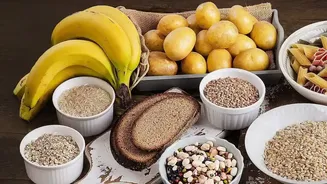
When you consume carbohydrates, especially refined ones like white rice or bread, your body quickly breaks them down into glucose, which enters your bloodstream. This causes a rapid spike in blood sugar. In response, your pancreas releases insulin to help
shuttle that glucose into your cells for energy. However, a sharp spike often leads to an overcorrection by insulin, causing your blood sugar to crash. This crash is what triggers feelings of fatigue, brain fog, and even cravings for more sugary snacks, creating a vicious cycle. This entire process is known as a 'glucose rollercoaster', and it’s a major reason you might feel drained after a meal that was supposed to give you energy.
How Eating Vegetables First Changes Everything
The strategy of eating vegetables before carbohydrates is a form of 'meal sequencing'. The magic lies in the fiber content of the vegetables. When you eat fiber-rich foods like a salad or cooked non-starchy vegetables first, the fiber forms a gel-like mesh in your stomach. This physical barrier slows down gastric emptying—the process of food moving from your stomach to your small intestine. As a result, when you do eat your carbohydrates, they are digested and absorbed much more slowly. Instead of a sudden flood of glucose into your bloodstream, you get a slower, more gradual release. This blunts the glucose spike, which in turn requires a less aggressive insulin response, preventing the subsequent crash and fatigue.
It’s Not Just About Lettuce
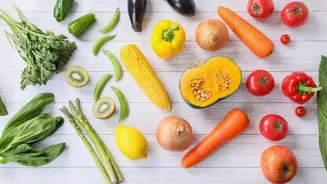
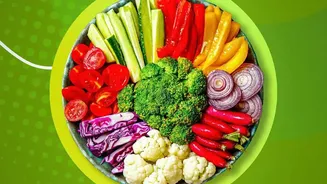
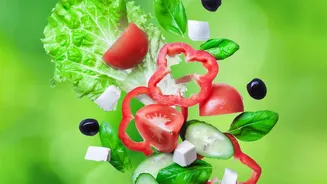
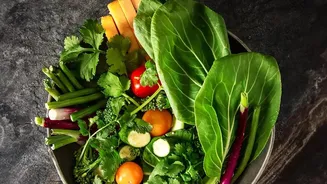
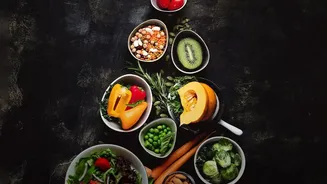
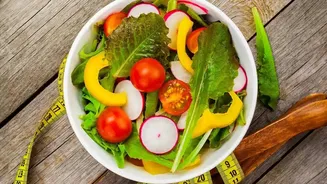
While 'salad' is in the headline, the principle applies to all non-starchy vegetables rich in fiber. You don’t need to start every meal with a bowl of lettuce. In an Indian context, this could mean starting your meal with a simple kachumber (cucumber, tomato, onion salad), a side of lightly steamed green beans, or a bowl of clear vegetable soup. The goal is to get that fiber buffer in your system before the carbohydrates from your roti, rice, or potatoes hit. Even a handful of raw carrots or cucumber sticks 15 minutes before your main meal can make a noticeable difference. The key is consistency and ensuring the vegetables come first.
Benefits Beyond Just Beating Fatigue
Preventing glucose spikes has benefits that extend far beyond simply feeling more energetic. Consistently stable blood sugar levels can lead to significant long-term health improvements. For one, it can aid in weight management. The fiber from vegetables promotes a feeling of fullness, or satiety, which can lead you to eat smaller portions of the more calorie-dense carbohydrates later in the meal. Furthermore, avoiding sharp glucose spikes reduces cravings driven by blood sugar crashes. Over the long term, better glycemic control can lower your risk of developing metabolic issues like insulin resistance and type 2 diabetes. Studies have shown this simple change in food order can have an effect comparable to some diabetes medications.
Simple Ways to Put It Into Practice
Integrating this habit into your daily routine doesn't have to be complicated. Start small. At lunch, have a small bowl of sliced cucumbers and tomatoes before you eat your dal and rice. If you're eating out, order a side salad or a clear soup and have it arrive before your main course. Preparing a simple vegetable stir-fry or having pre-cut vegetable sticks in the fridge can make it an easy choice when you're hungry. The best sequence, according to research, is vegetables first, followed by protein and fats, and finally, carbohydrates. This allows the fiber and protein to create a strong buffer, ensuring the most stable energy release possible.