





An Ancient Sip of Wellness
Ambali is a traditional fermented drink, with roots deeply embedded in the southern states of India, particularly Karnataka, Andhra Pradesh, and Telangana. At its heart, it is a humble yet powerful gruel made from millet flour—most commonly ragi (finger
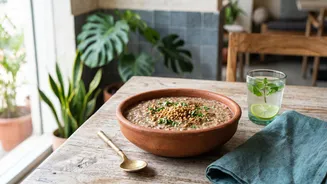
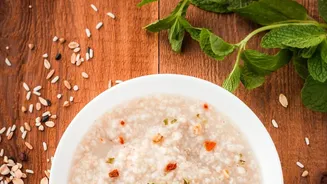
millet), but other millets like foxtail or kodo are also used. The preparation is deceptively simple: millet flour is cooked with water to form a porridge, which is then allowed to cool and ferment naturally overnight, typically for 8 to 12 hours. This ancient practice transforms a simple meal into a nutritional powerhouse with a distinct, mildly tangy, and earthy flavour.
Your Gut's New Best Friend
The magic of Ambali lies in its fermentation. This natural process encourages the growth of beneficial probiotics, the live microorganisms that are crucial for a healthy digestive system. Regular consumption can help replenish good gut bacteria, improve digestion, and support overall immunity. But the benefits don't stop there. Fermentation also works to break down phytic acid, an anti-nutrient found in grains that can inhibit mineral absorption. By reducing this compound, the process makes the abundant calcium and iron in ragi more bioavailable, meaning your body can absorb these essential nutrients more effectively. It’s a smart, natural way to unlock the full potential of millets.
A Taste of Tradition
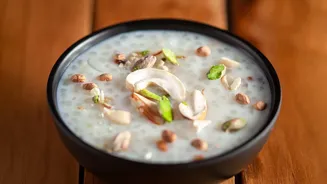
For generations, Ambali has been more than just a drink; it has been a source of sustenance. Known as a cooling beverage, it’s a summer staple that hydrates and refreshes the body. Traditionally, it’s the breakfast of farmers, providing sustained energy for a long day of work, and a gentle, nourishing food for everyone from young children to the elderly. Its versatility is another key to its enduring appeal. Ambali can be enjoyed savory, often mixed with buttermilk, salt, finely chopped onions, and a tempering of spices to create a drink similar to a spiced lassi. Alternatively, it can be made into a sweet porridge with the addition of jaggery, milk, and a pinch of cardamom.
From Village Staple to Urban Elixir
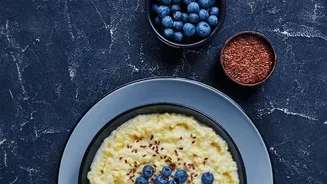
While Ambali is not yet a standard on every cafe menu, it is perfectly poised to become the next big wellness trend. As urban Indians increasingly seek out products that are local, sustainable, and authentically healthy, Ambali checks all the boxes. It aligns perfectly with the renewed interest in millets, the growing demand for probiotic-rich foods, and the desire for gluten-free and plant-based options. Health-conscious consumers and wellness advocates are already popularizing the drink. It offers a compelling local alternative to imported health drinks. Imagine a cafe menu featuring a classic savory Ambali next to the cold brew, or a trendy Ambali smoothie bowl topped with fresh fruits and seeds—modern interpretations of an ancient classic that feel both innovative and deeply rooted.