






Escape the city's hum and discover a world of vibrant avian life hiding in plain sight. Delhi's parks are not just green lungs; they are thriving ecosystems perfect for a weekend of birdwatching. Here’s what to consider before you start.
Essential Gear for the Urban Birder
You don't need
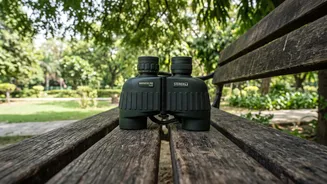
much to start your birdwatching journey, but a few key items will greatly enhance the experience. First and foremost are binoculars. They bring distant birds into clear view, allowing you to appreciate their colours and behaviours. A field guide to Indian birds, or a reliable bird identification app on your phone, is your next best friend. It helps you identify what you're seeing and learn more about each species. A small notebook and pen are useful for jotting down sightings, locations, and behaviours. Lastly, wear comfortable walking shoes and neutral-coloured clothing to blend into your surroundings and avoid startling the birds.
The Early Bird Catches the Worm—And Sees the Birds
Timing is everything in birdwatching. The best time for spotting birds is in the early morning, shortly after sunrise. This is when they are most active, foraging for food and filling the air with their songs. The soft morning light also makes for better viewing and photography. Another active period is the late afternoon, just before sunset, as birds prepare to roost for the night. Midday is often the quietest time, as many birds take shelter from the heat. Weekdays are generally less crowded than weekends, offering a more peaceful experience.
Delhi's Premier Birdwatching Hotspots
Delhi is blessed with several green spaces that are havens for birdlife. Sanjay Van, a sprawling city forest near Qutub Minar, is home to over 222 bird species. Its mix of woodland and waterbodies attracts residents like the Indian Peafowl and raptors such as the Shikra and Oriental Honey-buzzard. Okhla Bird Sanctuary, on the Yamuna riverbank, is a crucial wetland habitat for over 300 species, especially migratory water birds like the Northern Shoveler and Bar-headed Goose during the winter months (November to March). Asola Bhatti Wildlife Sanctuary, part of the Aravalli range, offers a rugged landscape where you can find species like the Rufous Treepie and Indian Bushlark. Even central parks like Lodhi Garden are great for spotting common city birds like the Yellow-footed Green Pigeon and Brown-headed Barbet.
Knowing Your Local Residents and Winter Guests
Delhi's parks are filled with yearround residents that are a delight to spot. Keep an eye out for the noisy Roseringed Parakeets, chattering Jungle Babblers, and the striking Black Drongo. The call of the Asian Koel is a common sound, even if the bird itself is harder to spot. The national bird, the Indian Peafowl, can be seen in many of the citys larger green spaces. During winter, the citys avian population swells with the arrival of migratory birds. Wetlands attract various ducks and waders, while the forests and parks host visiting warblers, flycatchers, and the Indian ParadiseFlycatcher. Paying attention to the season will tell you what to look for.
The Etiquette of Birdwatching
To make your birdwatching enjoyable for both you and the birds, a little etiquette goes a long way. The golden rules are to be patient and quiet. Move slowly and avoid making loud noises that could disturb the wildlife. Never get too close to nests or baby birds. Always observe from a respectful distance to avoid causing stress. When you find a bird, resist the urge to shout ; instead, quietly point it out to your companions. It is also crucial to leave no trace. Carry out everything you bring in and stick to designated paths to protect the fragile habitats you are there to enjoy. Ethical birding ensures these natural treasures remain for everyone to appreciate.