




A Legacy Woven in Freedom
National Handloom Day, celebrated annually on August 7th, is not a date chosen at random. It commemorates the launch of the Swadeshi Movement on the same day in 1905. This historic movement was a call for Indians to boycott foreign goods and embrace domestic
production, with handloom and khadi becoming powerful symbols of self-reliance and national pride in the struggle for independence. Established by the Government of India in 2015, the day serves to honour India's vast and diverse handloom weaving community and highlight the sector's contribution to the nation's socio-economic development. It's a day to remember that handloom is not just fabric, but a thread connecting us to our history.
The Soul of the Fabric: A Human Touch
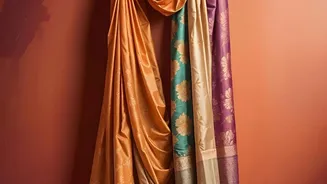
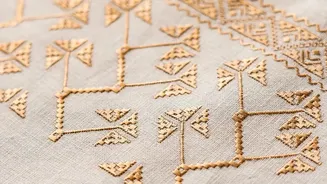
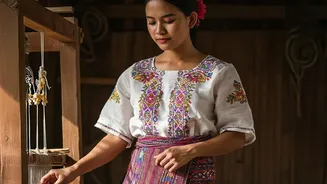
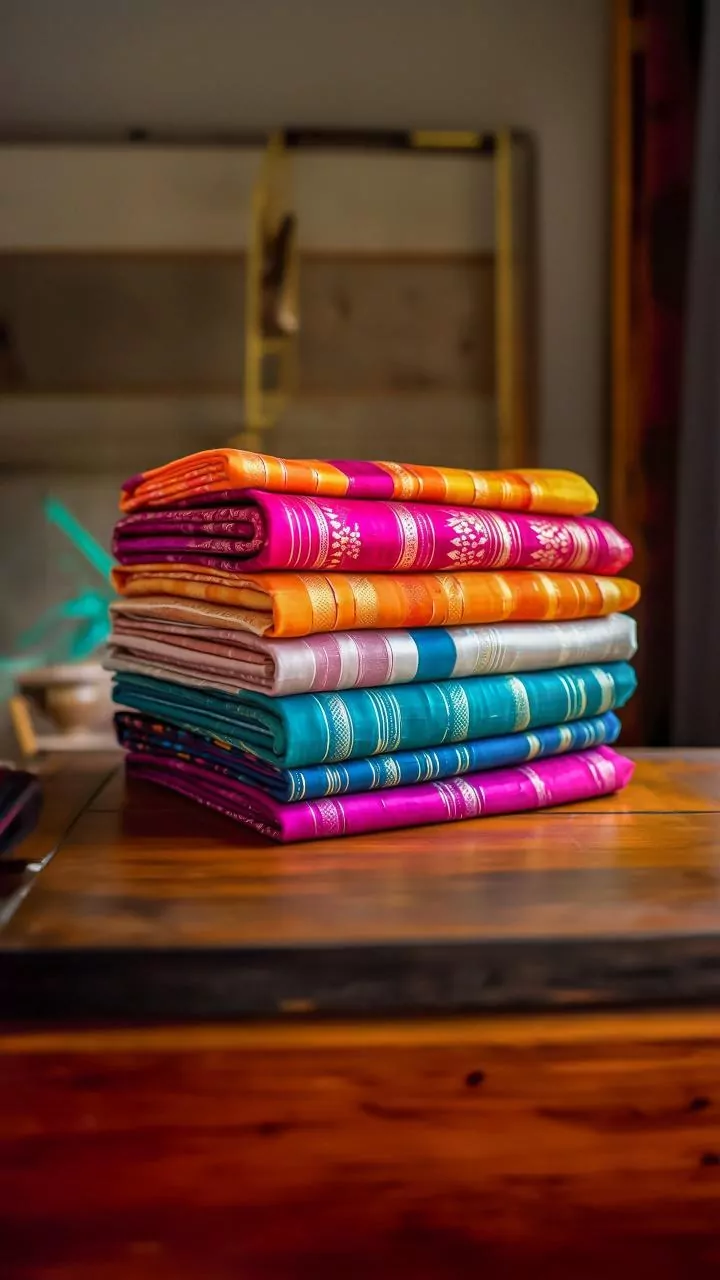
What truly separates handloom from its machine-made counterpart, the powerloom, is the irreplaceable human element. Handloom weaving is a meticulous art form passed down through generations, where a weaver's skill, patience, and creativity are poured into the fabric. Each piece is unique, bearing the subtle and beautiful imperfections of a manual process—a slight variation in the weave, a knot here, an unevenness there—that are hallmarks of authenticity. From the rich brocades of Banarasi silk to the geometric precision of Telangana's Pochampally Ikat, these are not just textiles; they are stories told through thread, preserving ancient techniques and regional identities. This tradition provides a livelihood for millions, with women comprising over 70% of the workforce, making the sector a key driver of rural empowerment.
Weaving a Greener Future
In an era of fast fashion and growing environmental concerns, handloom offers a compellingly sustainable alternative. The hand-operated loom consumes negligible energy and has a minimal carbon footprint compared to the electricity-hungry powerloom. The production process is also inherently eco-friendly, often utilizing less water and relying on natural, biodegradable fibres like cotton and silk. Many artisan communities continue to use natural dyes derived from plants and minerals, avoiding the chemical pollution associated with mass textile production. Choosing handloom is, therefore, not just a cultural choice but an environmental one, promoting a fashion cycle that is slower, more mindful, and gentler on the planet.
Challenges Behind the Intricate Weave
Despite its rich heritage and sustainable credentials, the handloom sector faces immense challenges. Weavers struggle with intense competition from cheaper, mass-produced powerloom textiles that often mimic handloom designs. Rising costs of raw materials like quality yarn and dyes squeeze already thin profit margins, and weavers often earn meagre wages for their highly skilled, labour-intensive work. Furthermore, limited access to larger markets and a lack of digital marketing know-how can prevent artisans from reaching a wider audience and securing consistent income, pushing younger generations away from the craft. Supporting the sector means acknowledging and addressing these very real struggles.
How to Be a Conscious Consumer
Making an informed choice is the most powerful way to support authentic handloom. The Government of India's 'Handloom Mark' is a label that certifies a product is genuinely handwoven. Another simple method is to examine the fabric itself. Check the reverse side; in a real handloom piece, you can often see the mirror image of the design and small knots or thread irregularities that are absent in a uniform, machine-made fabric. Authentic handloom also feels softer and more breathable. Beyond labels, asking sellers about the weaver, the origin of the piece, and the techniques used can provide a deeper connection to your purchase and ensure you are supporting the right hands. A Geographical Indication (GI) tag also confirms a product's origin and protects its legacy.