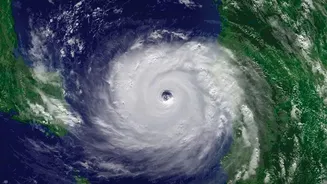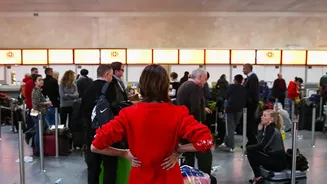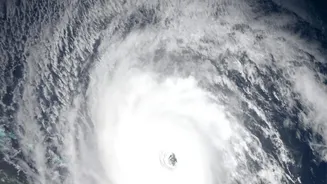








As Cyclone Arnab approaches, bringing heavy rains and strong winds, travel plans across several states have been thrown into chaos. For passengers with existing bookings, this is a time of uncertainty. Here’s your essential pre-departure checklist.
1. Prioritise Official Weather Updates
Before
making any decision, get your information from the most reliable sources. The India Meteorological Department (IMD) is the primary agency for tracking the cyclone's path and intensity. Follow their bulletins for warnings, which are often colour-coded (a red alert signifies the highest danger). The National Disaster Management Authority (NDMA) also provides crucial safety guidelines for the public during such events. Relying on official sources helps you avoid misinformation and make informed choices based on the actual risk in your area of travel.
2. Contact Your Airline or Indian Railways
Airlines and railways are proactively cancelling and rescheduling services in the cyclone's path to ensure passenger safety. Air India, for instance, has issued advisories for flights to and from affected airports like Visakhapatnam and Vijayawada. Similarly, the South Central and South Coast Railways have cancelled over 100 trains. Check the airline's website or the National Train Enquiry System (NTES) for your specific service. You can also call the railway helpline at 139 for updates.
3. Understand Cancellation and Refund Policies
If your travel is cancelled by the provider due to weather, you are entitled to options. For train e-tickets, Indian Railways typically processes a full, automatic refund to your original payment account. For counter tickets, you must present them at a reservation counter for a refund. For flights, DGCA regulations state that in case of cancellations due to 'force majeure' events like cyclones, passengers are entitled to either an alternate flight or a full refund. Airlines are not required to provide extra monetary compensation for weather-related cancellations, but they must facilitate the refund or re-booking process.
4. Reconsider If Your Travel Is Essential
Authorities and travel providers are urging the public to avoid non-essential travel in the affected regions. The conditions created by a cyclone, including violent winds and heavy rainfall, can lead to widespread disruption of power, communication, and transport services. Roads to airports and railway stations may be waterlogged or blocked, making the journey itself hazardous. If your trip is not critical, the safest decision is to postpone it. Your safety is more important than any travel plan.
5. Prepare a Travel Emergency Kit
If you must travel, or if you find yourself stranded, a basic emergency kit is invaluable. Keep all essential documents, including tickets and ID, in a waterproof bag. A fully charged power bank for your mobile phone is crucial for staying connected and receiving updates. Pack any essential medications, a first-aid kit, a change of clothes, and some nonperishable snacks and water. Having these items in your hand luggage ensures you have access to them even if your main baggage is checked in or inaccessible.
6. Manage Accommodation and Onward Bookings
If your travel is cancelled or delayed, remember to manage your other bookings. Contact your hotel at the destination to inform them of your situation and inquire about their cancellation or rescheduling policy. Keep receipts for any unforeseen expenses you incur, as these might be useful if you have travel insurance. Similarly, if you have onward connecting travel, address those bookings immediately to minimise financial loss.
7. Keep Communication Lines Open
Inform your family and friends about your travel status and any changes to your itinerary. Regular updates can provide peace of mind to loved ones and also mean that someone is aware of your location and situation. Airlines and railways often send updates via SMS to the number provided during booking, so ensure that phone remains charged and accessible. Following official social media handles of your travel provider can also be a quick way to get information.