




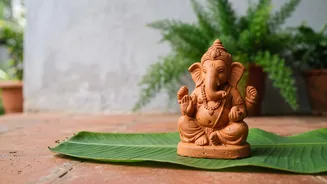
The Centrepiece: The Ganesh Idol
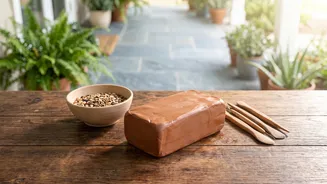
The murti is the heart of the celebration, and its cost can vary significantly. Prices depend on size, intricacy, and material. Traditional Plaster of Paris (PoP) idols are often cheaper, but there's a growing and important shift towards eco-friendly
options made from natural clay or 'shadu mati'. While an eco-friendly idol might cost more upfront—a small clay idol can range from ₹500 to over ₹2,200, while larger, more elaborate ones cost much more—they are designed to dissolve cleanly in water, protecting the environment. Many see this as a vital part of honouring tradition responsibly. Booking your idol in advance can sometimes secure a better price.
Decorations and The Mandap
Creating a beautiful space for Bappa is a key part of the festivities. Costs for decorations can range from a few thousand rupees to much more, depending on your vision. This includes flowers, lights, and the mandap or makhar (throne) for the idol. To manage expenses, consider DIY decorations using colourful paper, fabrics like old sarees or dupattas, and natural elements like leaves and flowers. Reusing lights and decor from previous festivals is another excellent way to save money while still creating a festive atmosphere. Shopping at local markets instead of malls can also lead to finding unique and affordable decorative items.
Puja Samagri and Ritual Essentials
The daily rituals require a specific set of items, collectively known as puja samagri. This list typically includes coconuts, betel leaves, durva grass, incense sticks, camphor, ghee, kumkum, and fresh flowers like red hibiscus or marigolds. While individual items are not very expensive, the total cost can add up over the 10-day festival. Many vendors offer pre-packaged puja kits, which can be a convenient option, with prices often starting from around ₹600. It's wise to make a list and buy these items from a local market to get the best prices and ensure you have everything needed for the daily aarti and prayers.
The Festive Feast: Prasad and Meals
Food is central to Ganesh Chaturthi, from the daily prasad offerings to meals shared with family and friends. The star of the show is often modak, believed to be Lord Ganesha's favourite sweet. The cost of ingredients for homemade treats like modak, puran poli, and laddoos—such as jaggery, coconut, ghee, and various dals—has been rising. A recent market check showed coconut prices reaching up to ₹70 per piece and sugar also becoming costlier. Planning your menu in advance and buying non-perishable ingredients in bulk can help manage these expenses. While store-bought sweets are an option, with premium modaks costing between ₹500 and ₹1000 per kg, preparing them at home adds a personal touch and can be more cost-effective.
New Attire and Gifting
The tradition of wearing new clothes and exchanging gifts with loved ones adds to the celebratory spirit, but it's also a significant potential expense. To avoid overspending, it’s smart to shop well in advance of the festival to take advantage of sales and discounts. Setting a clear budget for both clothing and gifts is crucial. Thoughtful, homemade, or carefully chosen budget-friendly gifts can be just as meaningful as expensive ones. This is an area where costs are highly variable and depend entirely on personal choice and tradition.
Visarjan and Miscellaneous Costs
The farewell to Ganesha, or Visarjan, also comes with potential costs. These might include transportation to an immersion site, especially for larger idols, or contributions to community-level ceremonies. For those with eco-friendly idols, a simple immersion can be done at home in a bucket or drum, eliminating these costs entirely. It's also wise to keep a small buffer in your budget for miscellaneous expenses. This could cover anything from giving dakshina to the priest, making a charitable donation, or having extra snacks on hand for unexpected guests. Creating a master budget before you begin helps provide clarity and prevents financial stress.