







From Itinerary to Menu
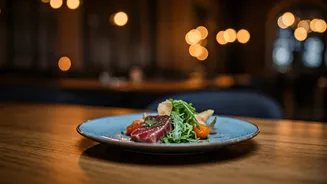
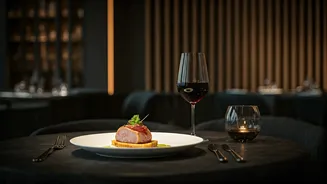
A fundamental shift is underway in how young Indians plan their holidays. According to a Booking.com study, a staggering 88% of Indian travellers say food shapes their choice of destination, while 82% admit to picking a place solely to visit a specific
restaurant or food spot. This marks a significant change from past travel habits, where food was often an afterthought to a packed sightseeing schedule. Today, for many, the culinary experience is the main event. This trend is a cornerstone of the booming culinary tourism market in India, which is projected to grow at a compound annual growth rate (CAGR) of over 12-15% in the coming years. Gen Z travellers, in particular, are motivated by adventure and cuisine, often in equal measure.
The Social Media Effect
The rise of food-driven travel is inseparable from the influence of social media. Platforms like Instagram and YouTube have become virtual culinary encyclopedias, transforming restaurants into pilgrimage sites and local dishes into viral sensations. With India estimated to have over 900 million social media users, the power of a well-photographed meal is immense. Food bloggers and influencers play a pivotal role, with their engaging content and storytelling significantly shaping the dining preferences and decisions of tourists. This digital word-of-mouth inspires travellers to seek out 'Instagrammable' dishes and unique dining experiences, sometimes prioritising visually appealing food over other local gems.
More Than a Meal
The quest for great food on vacation is about more than just eating. It's about immersion. Young travellers are increasingly seeking authentic and experiential activities like food walks, cooking classes, and producer tours. According to one report, 87% of food experts predict that people will travel more to experience culinary culture. This desire for hands-on experiences has led to the popularity of holiday homes, with 36% of travellers booking them specifically for the ability to cook their own meals. Many use travel as a chance to shop at local markets (84%), try new recipes (38%), and experiment with regional dishes (37%), turning the holiday kitchen into a culinary playground.
The New Culinary Traveller
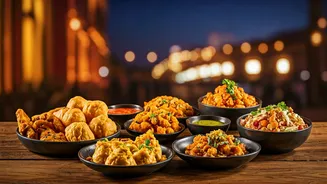
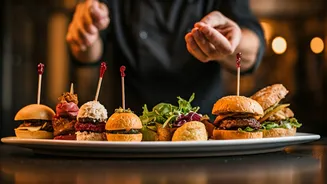
This new generation of travellers is redefining what it means to be a tourist. For them, travel is a form of self-expression, and they often seek out destinations and experiences that reflect their personalities. This includes a growing trend of "snackpacking," where trying local snacks from street food stalls and bakeries is considered an essential part of the trip. This generation, composed of millennials and Gen Z, is also willing to spend more on their travels, with a significant percentage planning to increase their travel budgets. They are driving a market that values authenticity, flexibility, and meaningful experiences over rigid, pre-packaged itineraries.
What This Means for the Future of Travel
The food-first approach is reshaping India's tourism industry. Destinations are no longer just competing on landmarks but also on their culinary offerings. From street food tours in Delhi to seafood trails in Kerala, food is becoming a key marketing tool to attract visitors. This shift benefits local economies, as culinary tourists tend to spend more, supporting a wide range of businesses from small street vendors to high-end restaurants and local farmers. As young Indians continue to let their appetite guide their travels, the line between a food journey and a holiday will only continue to blur, making the culinary map the most important one to follow.