



The Great Monsoon Shutdown
Most of India's core national park zones, particularly in central India, close down from roughly July through September. This annual closure isn't arbitrary; it's a critical strategy for conservation and safety. The heavy monsoon rains make forest trails
slippery, treacherous, and often completely impassable due to flooding and landslides, posing significant risks to visitors and staff. More importantly, the monsoon is a crucial breeding season for many species, including tigers, leopards, and various birds. Closing the parks minimises human disturbance, allowing animals to mate and raise their young in peace. This period of rest also gives the forest a chance to regenerate, letting the ecosystem recover from a busy tourist season and ensuring its long-term health.
A World Reborn and Ready for Discovery
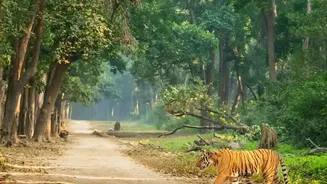
The reopening of the parks in October reveals a transformed world. The monsoons wash the dust from every leaf, leaving the forests intensely green and breathtakingly beautiful. Waterholes are full to the brim, rivers are flowing, and the air is crisp and clean. This lush environment signals a time of plenty for herbivores, which are seen grazing contentedly in the vibrant meadows. For visitors, this post-monsoon period offers a unique safari experience. The damp earth makes it easier for trackers to spot fresh pugmarks, and the pleasant weather is ideal for long hours in an open-air jeep. It's a time of renewal, not just for the forest, but for the thrilling pursuit of wildlife.
Bandhavgarh: The Kingdom of the Tiger
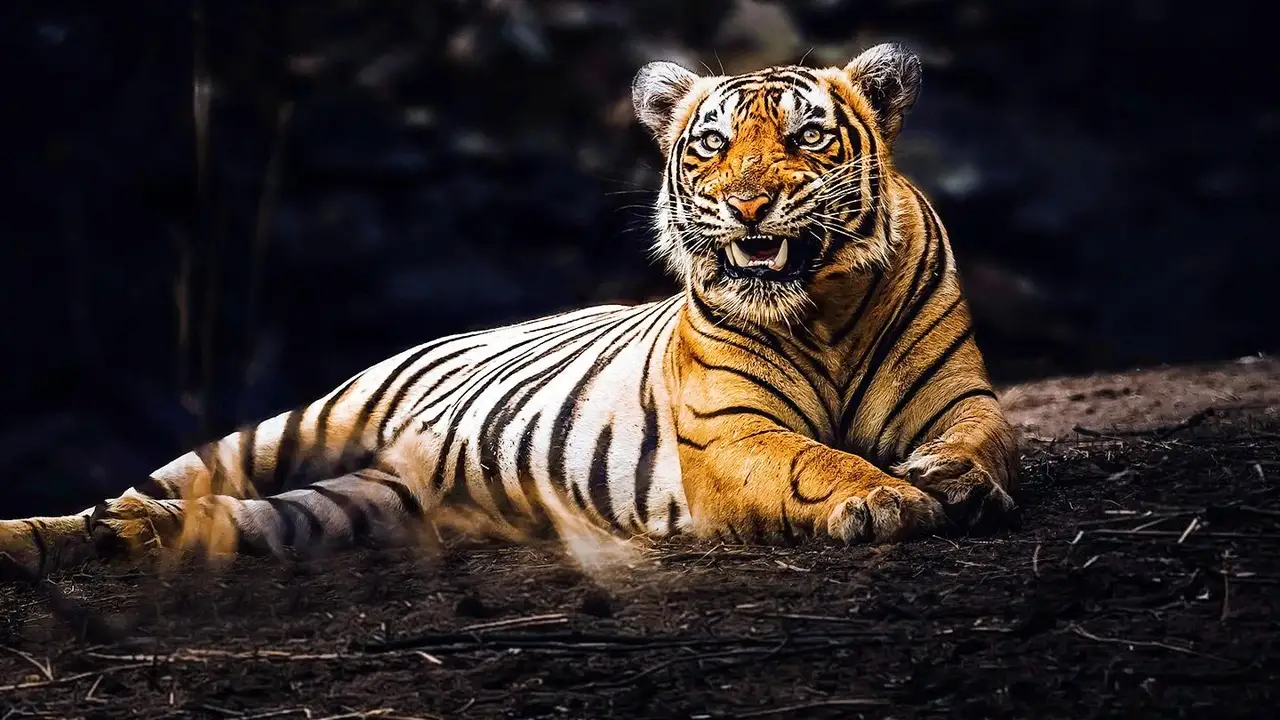
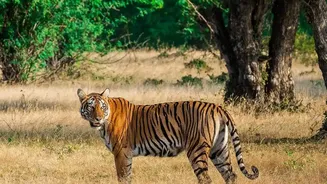
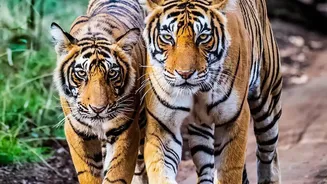
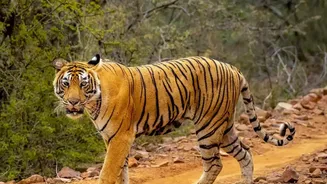
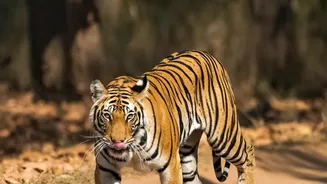
When Bandhavgarh National Park reopens, usually around mid-October, tiger enthusiasts take note. This legendary park in Madhya Pradesh is renowned for having one of the highest densities of Bengal tigers in India, making it a premier destination for sightings. While the summer months of April and May are famous for tiger spotting as animals congregate around scarce water sources, the post-monsoon season has its own charm. The landscape is at its most picturesque, and while the thicker vegetation can present a challenge, the thrill of spotting a tiger against a backdrop of emerald green is unparalleled. The park is steeped in history, with the ancient Bandhavgarh Fort overlooking the entire expanse, adding a layer of mystique to every safari.
Satpura: The Adventurer's Wilderness
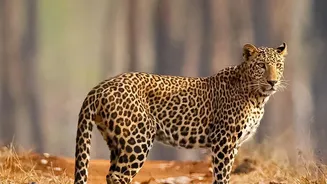
Satpura Tiger Reserve offers a different, more immersive kind of wilderness experience. What truly sets it apart from other parks in Central India is the variety of safari options. Beyond the traditional jeep safari, Satpura is one of the few tiger reserves where you can embark on a guided walking safari in the core forest area. This allows for an intimate connection with the jungle, engaging all your senses. Furthermore, the park's landscape is defined by the Denwa River and its backwaters, enabling serene boat and canoe safaris. After the monsoon, the full reservoirs make these water-based activities especially rewarding, offering unique perspectives for spotting birds, crocodiles, and land animals coming to the water's edge. While tigers are present, Satpura is also celebrated for its excellent sightings of sloth bears and leopards.
Planning Your Early Season Safari
A trip in October or November offers a wonderful balance of pleasant weather, stunning green landscapes, and potentially fewer crowds than in the peak winter months. The general safari season runs from October to June, but this initial period feels fresh and full of promise. While the dense foliage can sometimes make spotting animals a bit trickier than in the dry summer, the overall experience is incredibly rewarding. It’s a time for photographers to capture the vibrant scenery and for nature lovers to enjoy the jungle at its most rejuvenated. As the season progresses towards winter and then summer, the landscape will change, and so will the viewing dynamics, with each period offering a distinct but equally magical safari experience.