






A Fruit Fit for a King
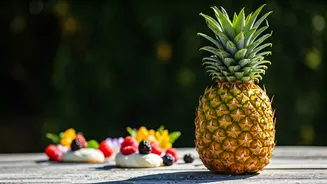
Before it was a pantry staple, the pineapple was the ultimate status symbol. When Christopher Columbus introduced the fruit to Europe from the Caribbean, its exotic appearance and sweetness caused a sensation. However, its rarity and the difficulty of
cultivating it in colder climates made it astronomically expensive. For centuries, the pineapple was a luxury only accessible to royalty and the ultra-wealthy. It was such a powerful emblem of prestige that people would rent a single pineapple for an evening to display as a centerpiece at parties, signifying their host's immense wealth and generosity. In colonial America, sea captains returning from trade routes would place a pineapple on their fencepost as a sign of a safe return and an open invitation to visit, cementing its status as a symbol of hospitality.
From Pantry Staple to Piña Colada
The 20th century democratized the pineapple. With the advent of canning and wider cultivation, the fruit became affordable and widely available. It shed its aristocratic image and became a key player in homey, accessible desserts. This era gave us the beloved pineapple upside-down cake, with its caramelized rings and maraschino cherries, a staple of family gatherings. The fruit also became synonymous with tropical cocktails like the piña colada and retro creations like ambrosia salad. While delicious, these familiar treats relegated the pineapple to a more casual, almost kitschy, role in the culinary world—a far cry from its 'King Pine' origins.
The Modern Royal Treatment
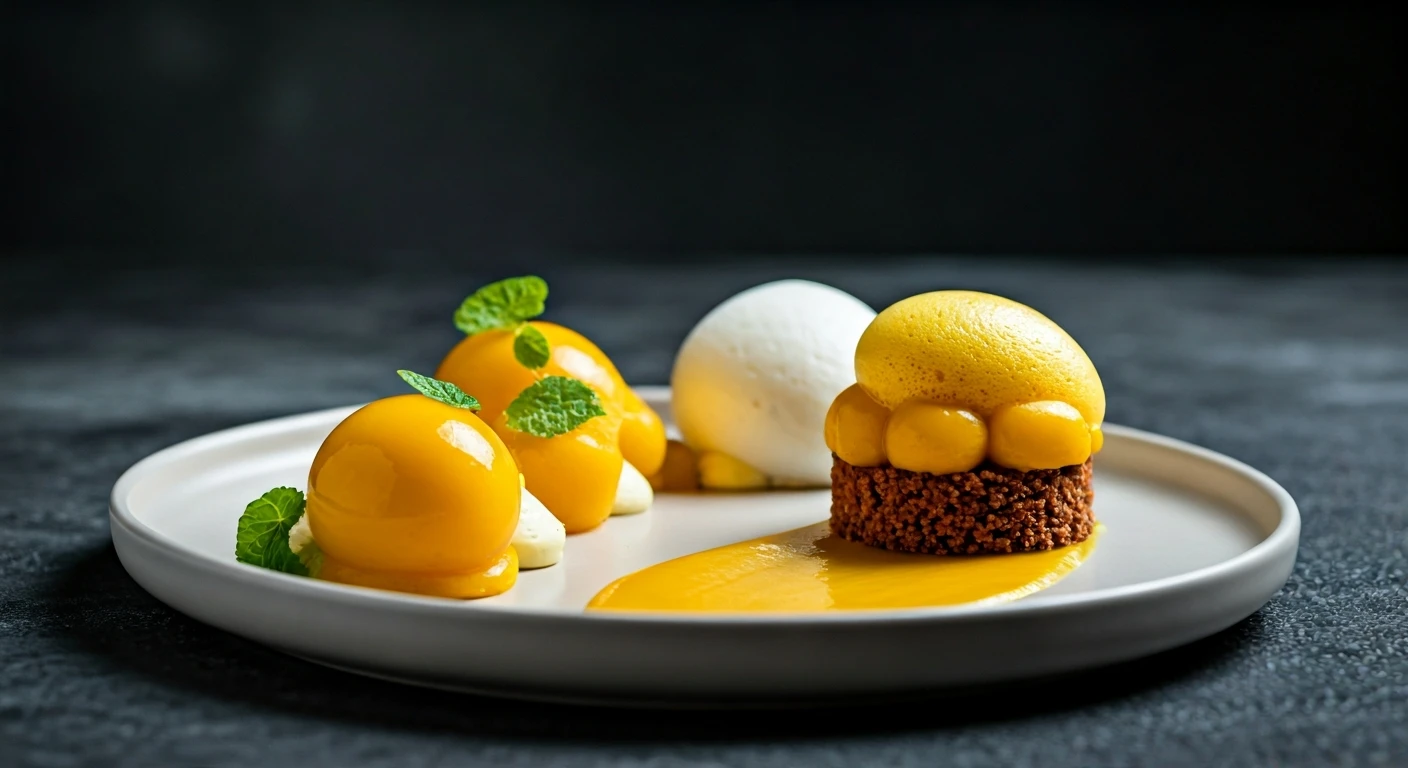
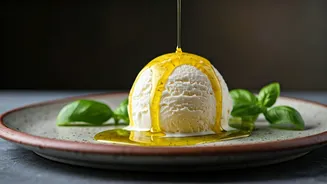
Today, chefs and home bakers are looking at the pineapple with fresh eyes, rediscovering its complexity and pairing it with ingredients that highlight its sophisticated side. The 'regal upgrade' is about moving beyond simple sweetness and exploring the fruit’s tangy, vibrant notes. This includes grilling or roasting pineapple slices to caramelize their sugars and serving them with a dollop of lime-infused crème fraîche or a sprinkle of toasted coconut. We're also seeing delicate pineapple sorbets infused with herbs like mint and basil, elegant tarts with intricate designs, and even molecular gastronomy creations that transform the fruit into unexpected textures like foams and spheres. These desserts treat pineapple not just as a flavour, but as the star ingredient worthy of fine-dining presentation.
Global Twists and Spicy Pairings
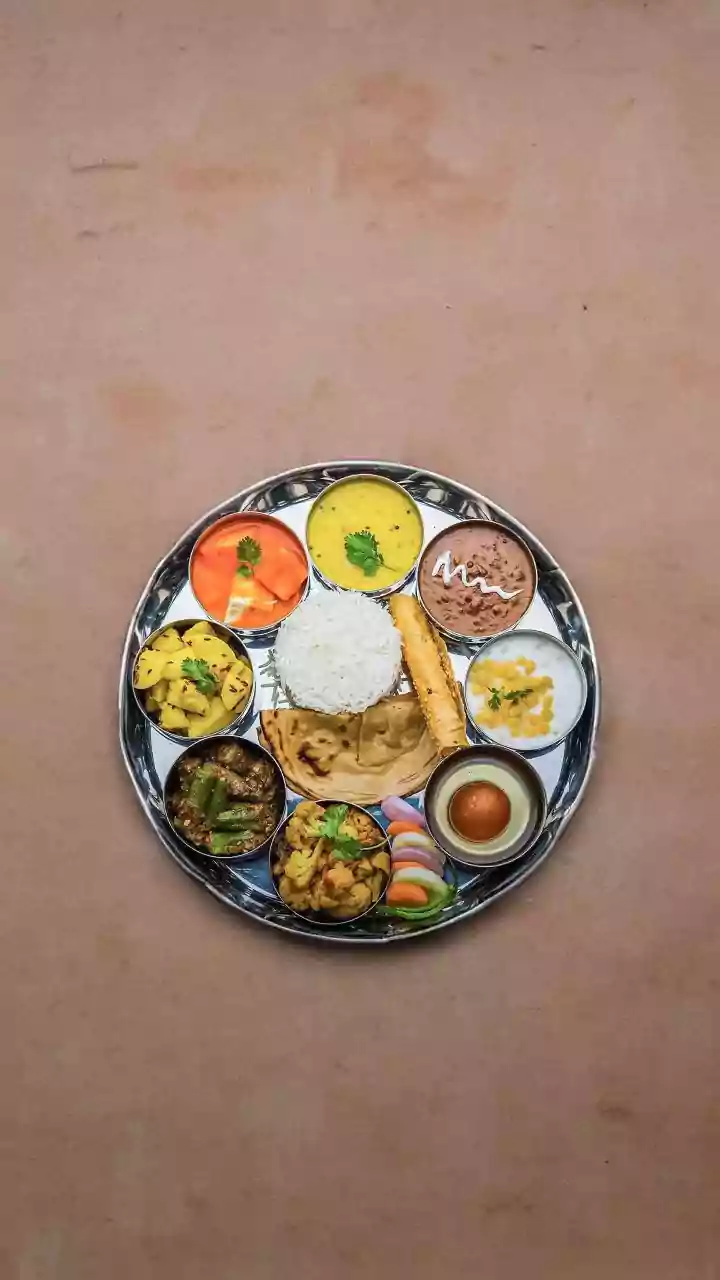
This pineapple renaissance is also fueled by global culinary trends. Chefs are drawing inspiration from how the fruit is used around the world, particularly in savoury and spicy contexts. In many parts of Asia and Latin America, pineapple is often paired with chili, ginger, and warming spices. This has inspired desserts that balance the fruit's sweetness with a kick of spice, such as sauteed pineapple with curry powder and ginger or pineapple kebabs with a dusting of chili flakes. Herbs like rosemary, cilantro, and lemongrass are also being used to add an aromatic, savoury dimension. These bold pairings challenge the conventional view of pineapple and unlock a new range of flavour possibilities, creating desserts that are complex, surprising, and thoroughly modern.
Bring the Crown to Your Kitchen
You don't need to be a Michelin-starred chef to give your pineapple desserts a royal touch. The key is to think about balance and contrast. Try grilling fresh pineapple rings and serving them with a scoop of high-quality vanilla ice cream and a drizzle of salted caramel. For a simple yet elegant dessert, macerate finely diced pineapple with fresh mint and a splash of rum. Another approach is to experiment with spices; a pinch of cinnamon, star anise, or even black pepper can elevate a simple pineapple dish. You can also create a pineapple carpaccio by slicing the fruit paper-thin and arranging it on a plate with a drizzle of honey and a scattering of pistachios. The goal is to let the pineapple’s natural brightness shine, enhanced by thoughtful, high-quality pairings.