



Start With a Visual Inspection
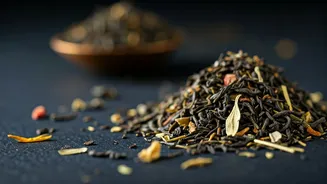
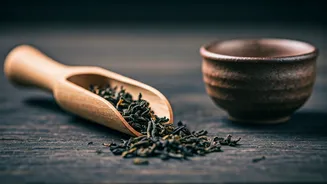
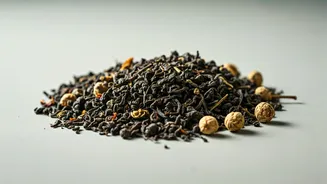
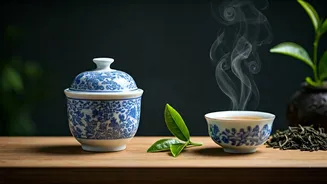
The first clue to quality is what you see. Good quality loose-leaf tea consists of whole or large, uniformly sized pieces. For black teas like those from Assam or Darjeeling, look for a consistent dark colour and avoid excessive dust or stalks. A high
proportion of tiny, broken fragments, often called fannings or dust, indicates a lower grade of tea, which is typically used in mass-market tea bags and can result in a bitter or harsh brew. If you see a mix of large and small leaves, it may indicate inconsistent plucking standards. For green tea, the leaves should appear vibrant and bright green; a dull, brownish hue suggests old stock. High-quality teas are also carefully handled to avoid being crushed. If the leaves crumble to dust with a gentle touch, they are likely too old and have lost their essential oils.
Trust Your Sense of Smell
Your nose knows best when it comes to freshness. Open your tea container and take a deep breath. Fresh, high-quality tea should have a distinct and inviting aroma. Good black tea often has a sweet and malty fragrance, while premium Darjeeling tea is known for its floral, muscatel notes. Fresh green tea should smell grassy and lively. If the tea smells faint, dusty, musty, or like cardboard, it has likely gone stale. This happens when the volatile aromatic compounds that create flavour and aroma break down over time. A chemical or unnaturally strong scent can also be a red flag for artificial flavourings used to mask low-grade leaves.
The Ultimate Test: Taste
The final verdict comes from the brew itself. A high-quality tea will offer a balanced and complex flavour profile. It should have a pleasant mouthfeel and a lingering aftertaste, known as the 'finish'. For example, a good black tea should be robust but not overwhelmingly bitter. In fact, some experts note that a truly high-quality black tea will not become bitter even if brewed for a long time. If your tea tastes thin, watery, or one-dimensionally bitter, it's a sign of poor quality or staleness. The liquid, or 'liquor', should also be clear and bright. A muddy or cloudy appearance can indicate low-quality, powdered leaves or over-steeping.
Beware of Adulteration
In India, tea adulteration is a recurring concern. Low-grade leaves are sometimes mixed with substances to improve their appearance or weight. A major issue is the use of artificial colours to make old or inferior tea look fresh and dark. The Food Safety and Standards Authority of India (FSSAI) recommends a simple test: sprinkle some tea leaves onto a glass of cold water. Pure tea will release its colour slowly. If you see streaks of colour leaching into the water almost immediately, the tea is likely adulterated with dye. Another method is to spread the tea on a plate and run a magnet through it to check for iron filings, which are sometimes added to increase weight.
Proper Storage is Key
Even the best tea will degrade if not stored correctly. Tea's four main enemies are air, light, heat, and moisture, along with strong odours. To protect your leaves, store them in an airtight, opaque container like a metal tin or a ceramic jar with a good seal. Avoid clear glass jars, as light exposure breaks down the compounds that create flavour. Keep your tea in a cool, dark place away from the stove, oven, or sunny windowsills. Tea is also highly absorbent, so store it away from coffee, spices, and other strong-smelling items in your pantry to prevent it from picking up unwanted aromas.