


From Heirloom to High Street
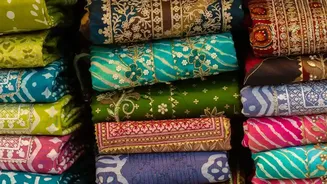
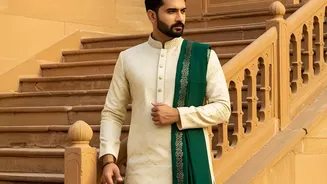
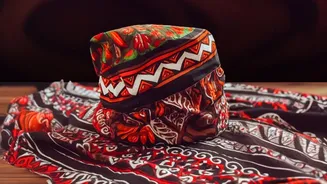
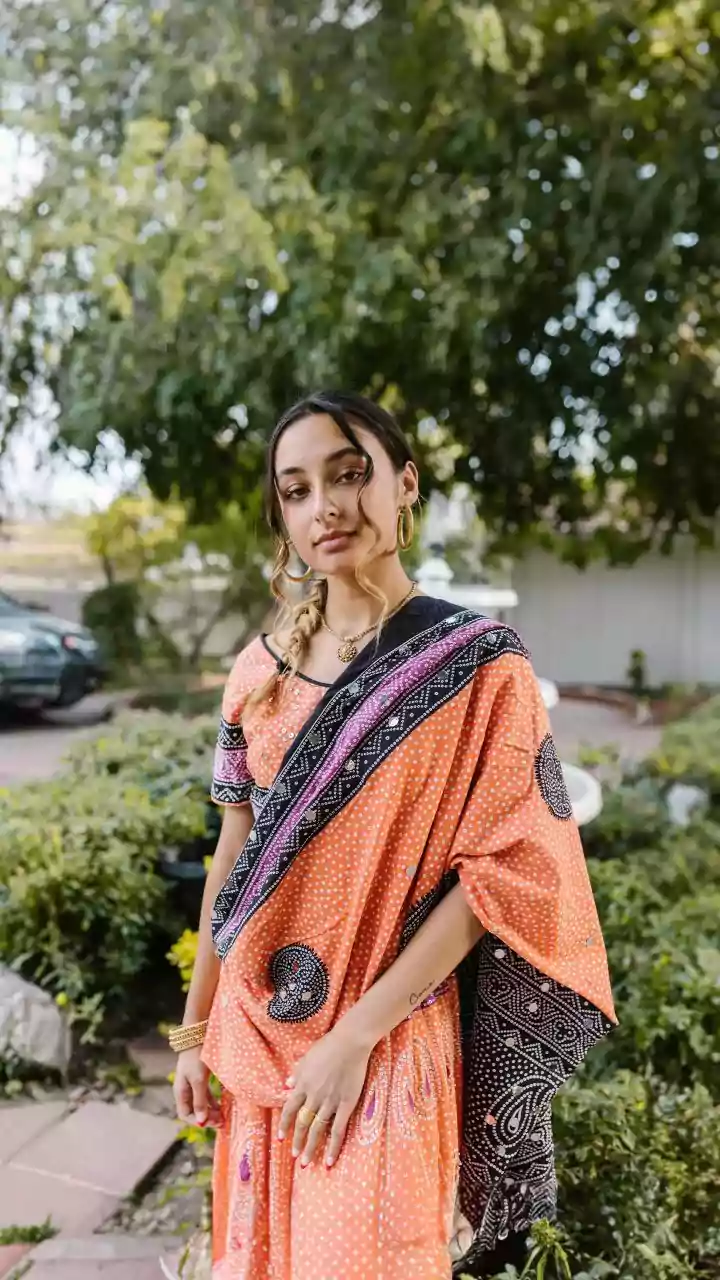
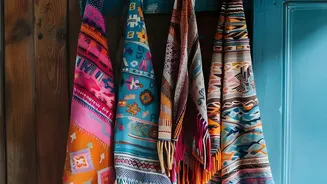
The sight of a jamdani sari paired with combat boots or an ajrakh print on a streetwear jacket is no longer a rare fashion experiment; it’s a burgeoning movement. Young Indians, particularly Gen Z, are reimagining handloom, moving it far beyond the confines
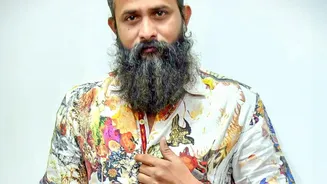
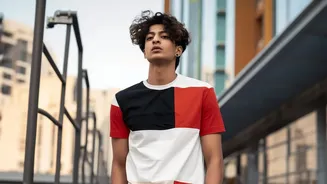
of festive or formal wear. This generation is embracing textiles like khadi, ikat, and chanderi not as historical relics, but as vibrant, relevant materials for everyday self-expression. Streetwear, with its focus on individuality and comfort, has become the perfect canvas. Brands are creating everything from oversized shirts and joggers to contemporary jackets, proving that heritage weaves can be both cool and current.
The Search for Sustainable Style
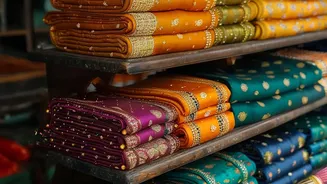
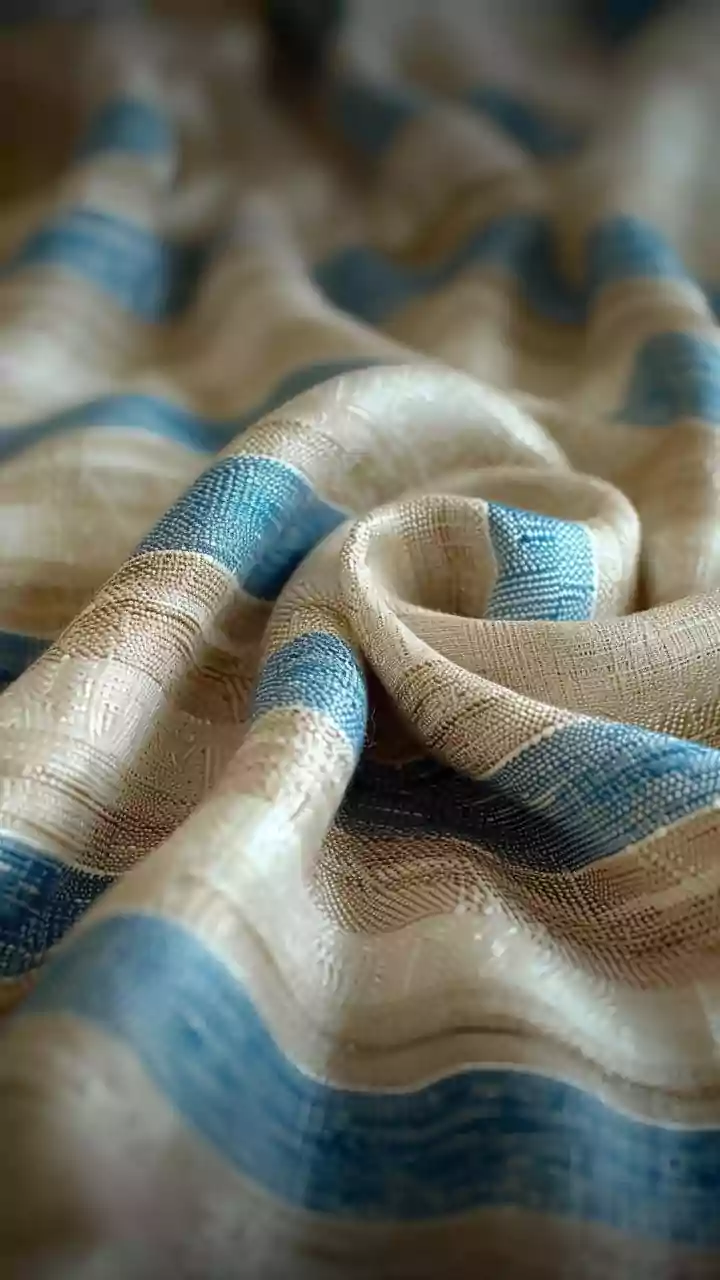
A major driver behind this trend is a powerful shift towards conscious consumption. For a generation raised in an era of hyper-consumerism and the environmental fallout of fast fashion, handloom offers an authentic, sustainable alternative. The production of handwoven fabrics uses minimal to no electricity, generates less waste, and often involves natural dyes, significantly reducing its carbon footprint. This appeals directly to young consumers who value transparency and want their purchases to align with their ethics. Supporting handloom is seen as a way to support artisans directly, preserve the environment, and invest in clothing that is designed to last, countering the throwaway culture of mass-produced garments.
A Statement of Authenticity and Identity
In a globalised world saturated with uniform trends, handloom offers something increasingly rare: a story. Each handwoven piece is unique, carrying the imprint of its weaver's skill and regional heritage. This inherent individuality resonates with young people who are moving away from mass-produced items in search of authenticity. Wearing handloom becomes a way to express personal style while connecting with cultural roots on one's own terms. It’s a form of quiet confidence, a nod to heritage that feels personal rather than prescribed. This movement is less about nostalgia and more about forging a modern Indian identity that is both globally aware and locally proud.
The Designers Driving the Change
This revival isn't just happening organically; it's being actively shaped by a new wave of Indian designers and homegrown labels. Brands like Johargram, 11.11 / eleven eleven, and Raw Mango are building their entire philosophy around handloom, making it the foundation of their contemporary collections. They are not preserving crafts as museum pieces but making them genuinely relevant for today's wardrobe. By creating modern silhouettes like co-ord sets, tailored jackets, and versatile separates, these designers act as a crucial bridge between artisan clusters and the urban market. Through social media platforms like Instagram, they make these ancient crafts visible and desirable to a younger, digitally native audience, proving that tradition can be the most forward-thinking trend.