

The Old Guard: A Nostalgic Staple
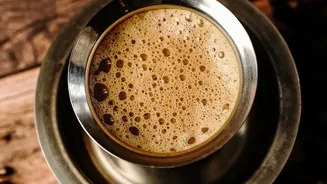
For generations, coffee in most Indian households meant one thing: a jar of instant powder. Brands like Nescafé and Bru became synonymous with a quick, convenient caffeine fix, transforming coffee from a traditionally South Indian filter beverage into
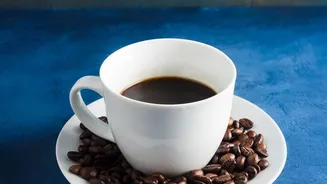
a national staple. The process was simple, the taste was consistent, and it became the go-to drink for students pulling all-nighters, family gatherings, and the first cup of the day. This era wasn't about flavour notes or brewing methods; it was about accessibility and the comfort of a familiar routine. That instant coffee still holds a place in many kitchens, but its dominance is now being challenged by a far more nuanced and flavourful alternative.
A New Brew Awakening
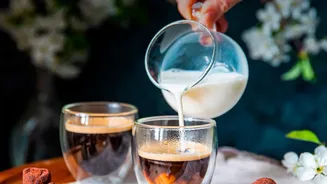
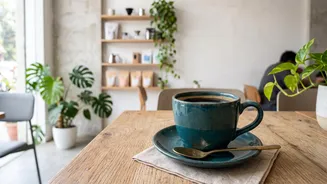
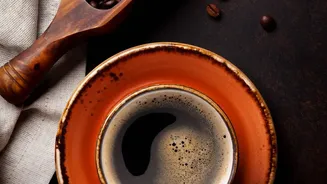
Walk into an urban café today, and you are entering a different world. The menu is a glossary of terms like 'pour-over', 'AeroPress', 'cold brew', and 'single-origin'. This is the heart of India's specialty coffee movement, a cultural shift driven by a desire for quality over convenience. This 'third wave' of coffee focuses on the entire journey of the bean, from its specific origin to the precise way it's brewed. The India specialty coffee market, valued at over USD 3 billion in 2025, is projected to grow at a compound annual growth rate of nearly 14% through 2033. Consumers are now learning to appreciate coffee like wine, discussing the subtle notes of chocolate, citrus, or spice that come from a particular estate's beans.
The Millennial and Gen Z Effect
This coffee revolution is being led by a younger, globally-aware demographic. Millennials and Gen Z, who make up the majority of specialty coffee consumers, are driving the trend. For them, coffee is more than just a beverage; it's an experience and an expression of their lifestyle. They are turning away from sugary drinks in favour of healthier, artisanal options and documenting their café discoveries on social media, where a beautifully crafted latte or a minimalist café interior becomes a statement of personal taste. This generation values authenticity and storytelling, wanting to know the origin of their beans, the roasting process, and the ethical practices of the brand they support. This has fuelled a boom in home brewing, with a marked increase in sales of manual brewing equipment to young buyers eager to recreate the café experience in their own kitchens.
From Chikmagalur to Your Cup
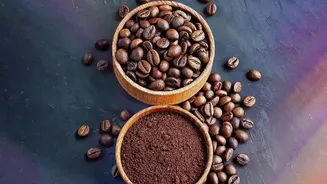
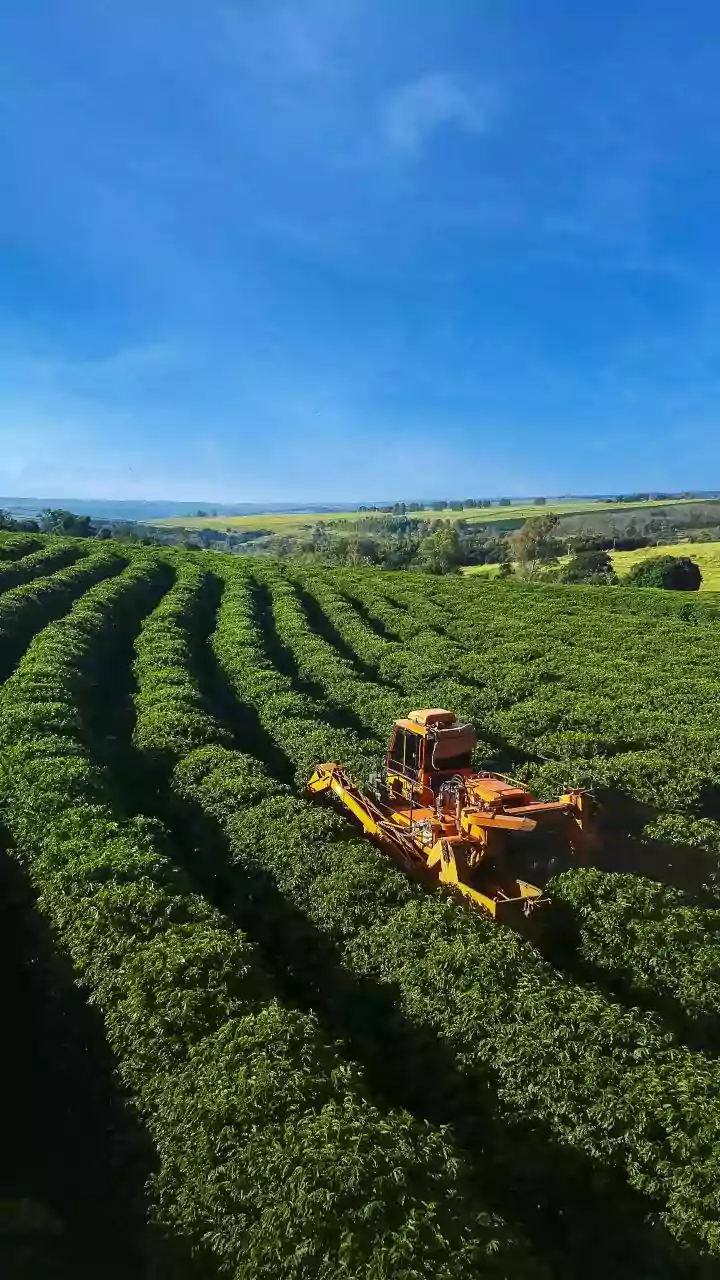
For years, much of India's highest-quality coffee was exported. Now, that's changing. The domestic demand for premium beans has empowered Indian coffee estates, particularly in regions like Chikmagalur, Coorg, and the Shevaroy Hills, to market their best products directly to local roasters and consumers. Homegrown brands like Blue Tokai, Third Wave Coffee Roasters, and numerous smaller artisanal roasters have built their businesses on creating a transparent link between the farm and the cup. They highlight the unique terroir of each estate, offering coffees with distinct flavour profiles influenced by the specific altitude, soil, and shade under which they were grown. This has not only elevated the quality available within India but also fostered a sense of pride in locally grown coffee.
More Than Just a Drink
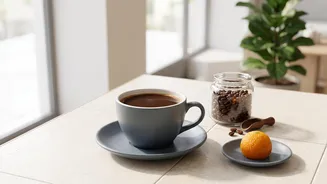
The new coffee culture is transforming cafés into 'third spaces'—community hubs somewhere between home and work. They host brewing workshops, cupping sessions, and become social centres where people connect over a shared passion. Coffee has evolved from a simple caffeine delivery system into a full-fledged hobby. Enthusiasts invest in grinders, scales, and various brewing gadgets, turning their morning routine into a mindful ritual. It represents a broader shift in Indian consumerism toward mindful consumption, craftsmanship, and the appreciation of quality. It's a movement that values the process as much as the final product, turning a simple daily habit into an engaging and flavourful journey of discovery.