
The Golden Rule for Soft Paneer
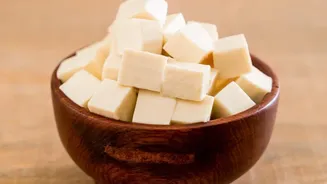
The most common complaint about paneer is that it becomes tough and rubbery when cooked. The simplest and most effective fix is a quick soak. Before adding paneer to your dish, cut it into cubes and immerse them in warm, salted water for 15-20 minutes.
This step rehydrates the paneer, especially if it's been refrigerated, making it noticeably softer and more absorbent. It acts like a sponge, ready to soak up the flavours of your curry. Even if you plan to pan-fry it, this initial soak makes a world of difference. Just be sure to pat the cubes completely dry before they hit the hot pan to ensure a good sear.
Unlock Tofu’s Potential by Pressing It
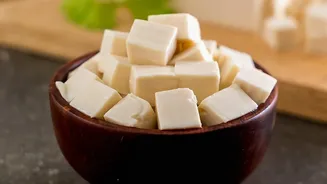
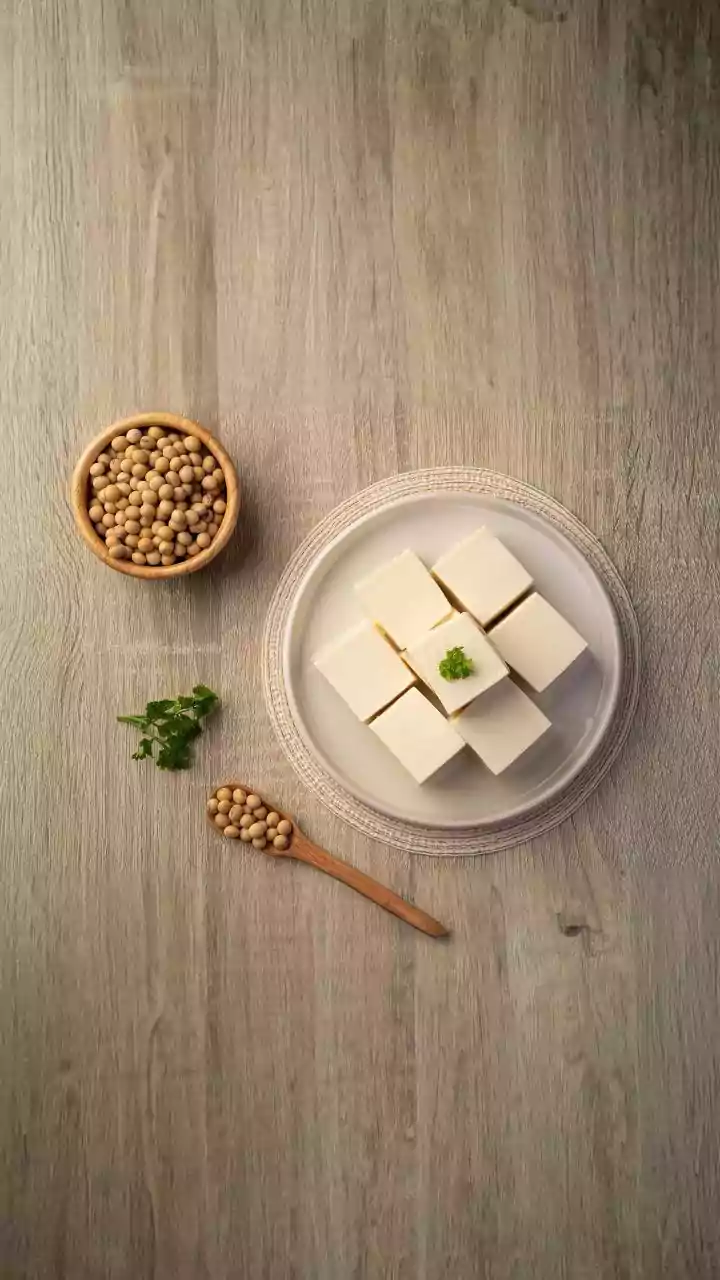
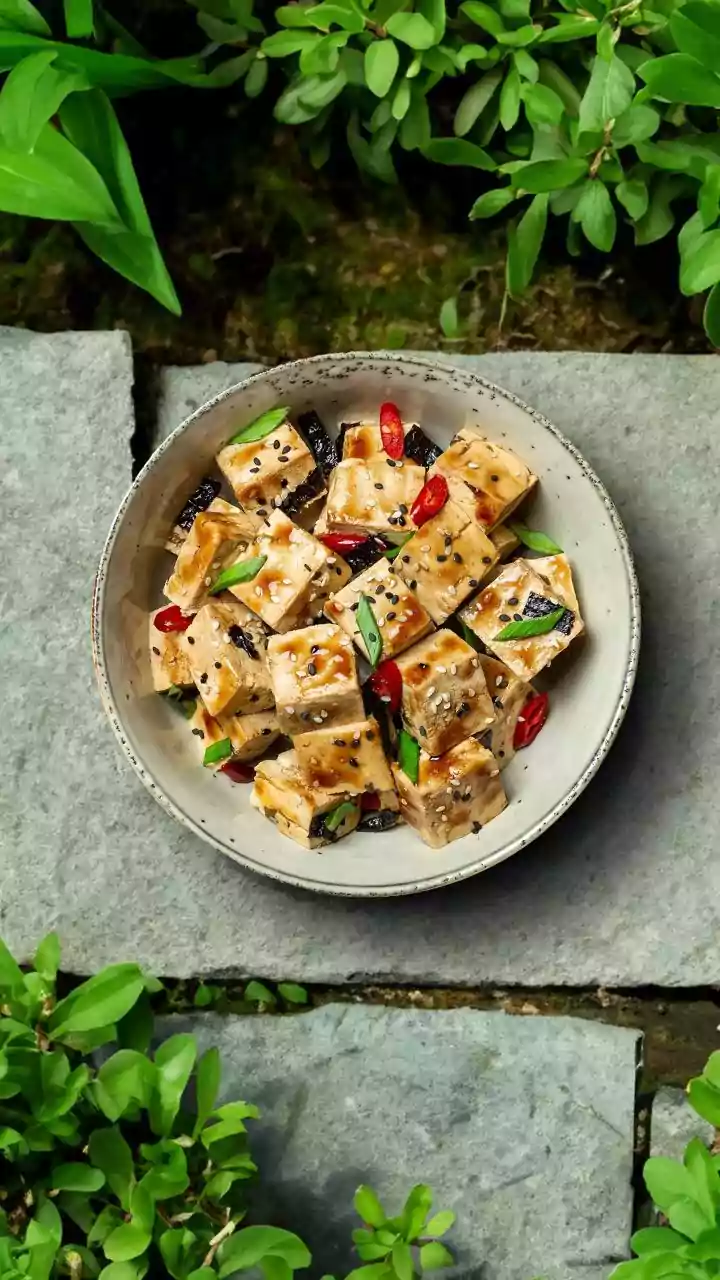
Tofu is packed in water, and if you don't remove it, your dish will be diluted and the tofu will be disappointingly soggy. Pressing is non-negotiable for achieving a firm, meaty texture. To do this without a special press, simply slice the block of firm or extra-firm tofu, wrap it in a few layers of paper towels or a clean kitchen towel, and place it between two cutting boards or plates. Put something heavy on top—like a few books or canned goods—and let it sit for at least 30 minutes. This process expels excess water, allowing the tofu to brown beautifully and absorb marinades much more effectively.
The Science of a Good Marinade
Both paneer and tofu benefit immensely from a good marinade, but they require different approaches. For paneer, a marinade based on yogurt (dahi) and acidic elements like lemon juice works wonders. The acid helps to tenderize the paneer, while the yogurt and spices like garam masala, turmeric, and chili powder infuse it with flavour. For tofu, which is more of a blank canvas, you need a marinade with strong, savoury notes. A combination of soy sauce, vinegar, garlic, and ginger is a great starting point. Because pressed tofu is porous, it doesn't need to marinate for hours; even 30 minutes can make a significant difference.
The Freezing Trick for Chewier Tofu
For a surprisingly meaty and chewy texture, try freezing your tofu. When you freeze a block of firm or extra-firm tofu, the water inside it expands and forms ice crystals. After thawing, these crystals leave behind small, porous pockets. Once you press the thawed tofu, its new, spongier structure is exceptionally good at soaking up sauces and marinades. This technique is perfect for dishes where you want the tofu to have a substantial, satisfying bite, mimicking the texture of paneer or even meat. The colour may change to a pale yellow, which is perfectly normal.
Don’t Overcook Your Paneer
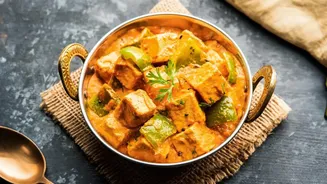
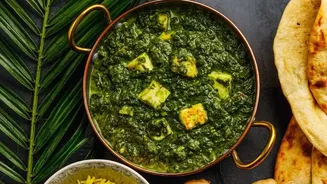
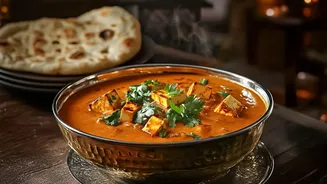
A frequent mistake that leads to tough paneer is overcooking. Paneer is a fresh cheese and cooks very quickly. Whether you are adding it to a shahi paneer or a matar paneer, it should be one of the last ingredients to go into the pot. Let it simmer gently in the gravy for just a few minutes—long enough to warm through and absorb the flavours. Boiling it vigorously or letting it simmer for an extended period will cause the proteins to tighten, resulting in a chewy, unpleasant texture.
Think Beyond Cubes: Crumbles and Scrambles
Don't limit yourself to cubes. Both paneer and tofu are fantastic when crumbled or grated. Paneer bhurji, a simple scramble with onions, tomatoes, and spices, is a quick and delicious weeknight dinner. Similarly, crumbled tofu can be used to make a vegan-friendly egg scramble alternative. This preparation is also perfect for stuffing parathas, making koftas, or adding a protein boost to vegetable fillings for sandwiches and wraps. The smaller pieces cook faster and offer a different textural experience, ensuring your meals never get boring.