



The Power of Bodyweight Training
Before diving into the exercises, it's important to understand why bodyweight training is so effective. These movements are functional, meaning they mimic everyday actions like pushing, pulling, and squatting. This improves your real-world strength and stability.
By using your own body as resistance, you engage multiple muscle groups at once, leading to an efficient, full-body workout that boosts your metabolism and builds lean muscle. Bodyweight exercises are also fantastic for beginners because they are generally safer on the joints and help you master proper form before adding external weight. The key is consistency and progressive challenge, not fancy machines.
Lower Body Foundation: Squats and Lunges
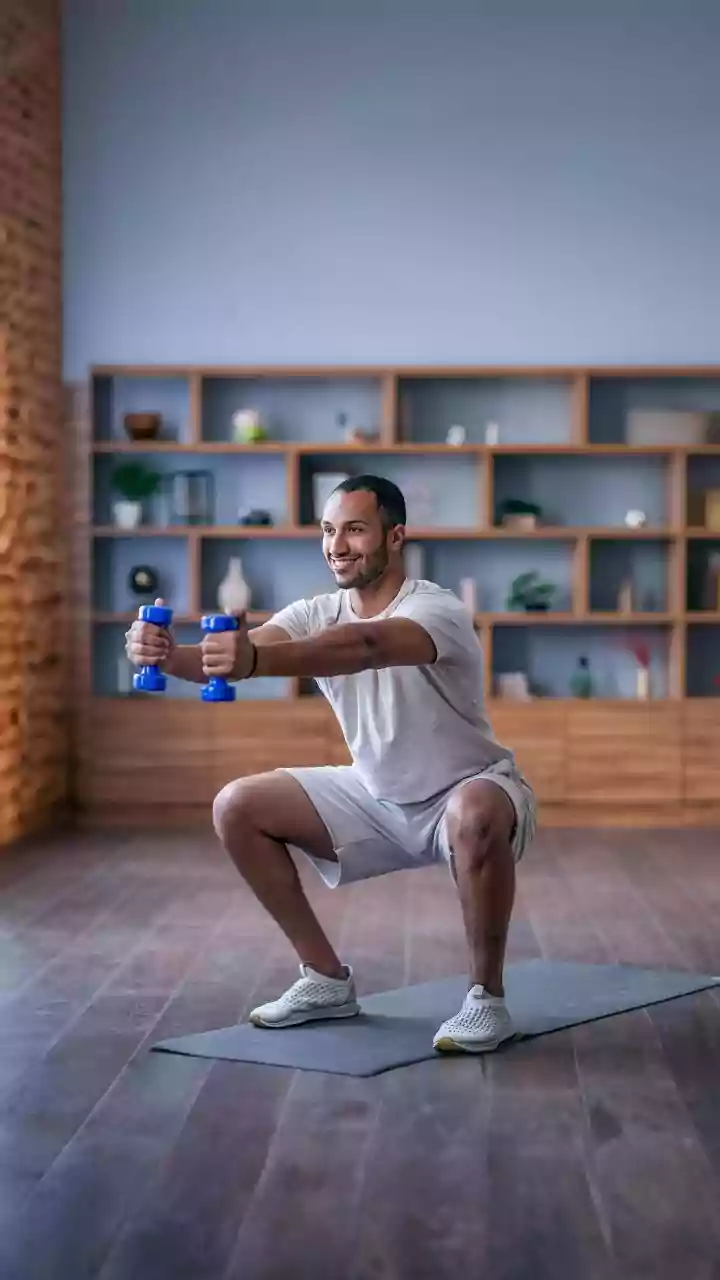
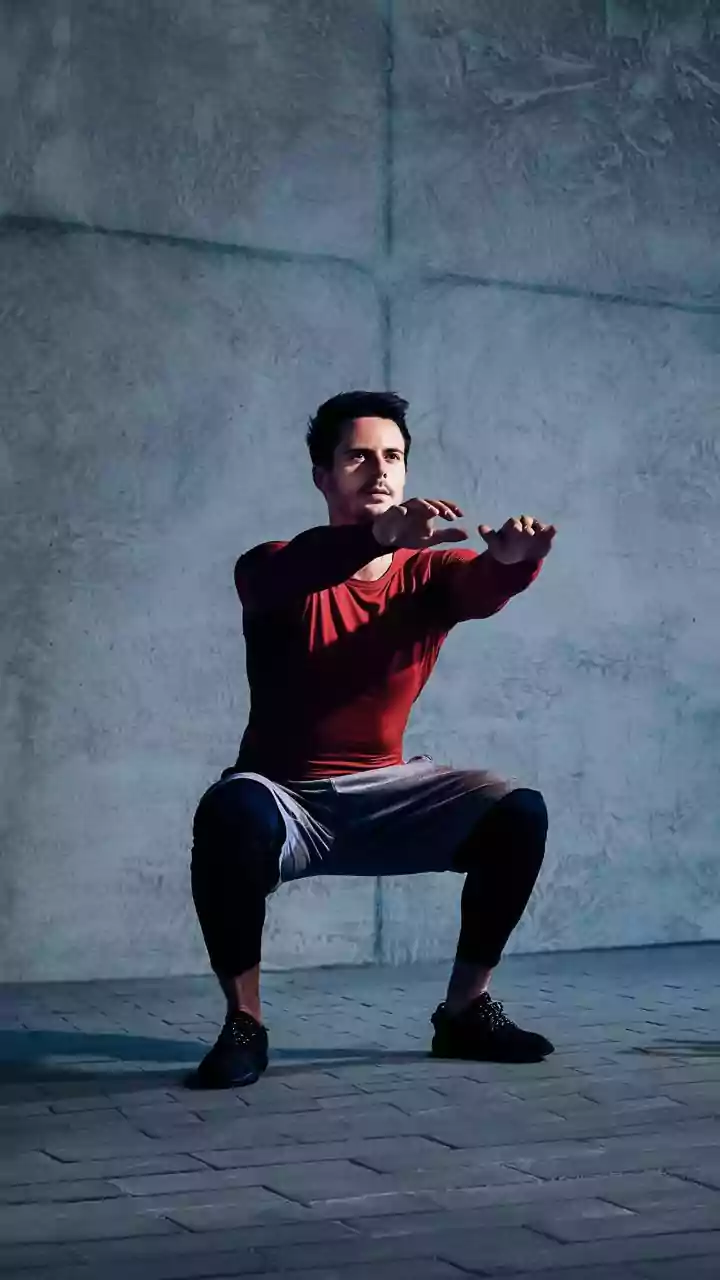
The squat is a fundamental movement for lower body strength, targeting your quads, hamstrings, and glutes. To perform one, stand with your feet shoulder-width apart and lower your hips as if sitting in a chair, keeping your chest up and back straight. Go as low as you can comfortably, aiming to get your thighs parallel to the floor, then drive through your heels to return to the start. Lunges are another powerhouse move that works each leg independently, which helps correct strength imbalances and improves balance. For a reverse lunge, step one foot back and lower both knees to 90-degree angles before pushing back up. Perform 10-15 reps of each exercise.
Upper Body Strength: The Push-Up
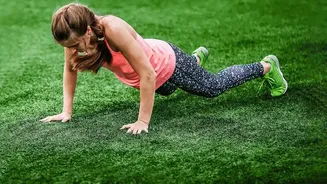
The push-up is the gold standard for building upper body and core strength without any equipment. It works your chest, shoulders, and triceps all at once. Start in a high plank position with your hands slightly wider than your shoulders. Keeping your body in a straight line from head to heels, lower yourself until your chest is just above the floor, then push back up. If a full push-up is too challenging, start with your knees on the ground or perform them against a wall or elevated surface like a couch. The goal is to maintain good form. Aim for as many reps as you can with proper technique.
Core Stability: Planks and Glute Bridges
A strong core is the bedrock of all movement, protecting your spine and improving posture. The plank is an excellent exercise for building core stability. You can perform it on your forearms or hands, ensuring your body forms a straight, rigid line. Hold for 30-60 seconds. The glute bridge targets your lower back, glutes, and hamstrings. Lie on your back with your knees bent and feet flat on the floor. Drive through your heels to lift your hips toward the ceiling, squeezing your glutes at the top before lowering back down. This move is great for counteracting the effects of sitting all day. Aim for 15-20 reps.
Cardio Burst: Burpees or Mountain Climbers
To get your heart rate up and maximize your workout, finish with a high-intensity cardio burst. Burpees are a full-body exercise that combines a squat, a plank, and a jump. For a less intense but still effective option, try mountain climbers. From a high plank position, quickly alternate driving your knees toward your chest as if you're running in place. Both of these exercises require very little space but deliver a powerful cardiovascular challenge. Perform your chosen exercise for 30-60 seconds to complete one round of your workout circuit.
Putting It All Together
To create a complete workout, perform these exercises as a circuit. Move from one exercise to the next with minimal rest in between. After completing all five movements (squats, lunges, push-ups, plank/glute bridge, and burpees/mountain climbers), rest for 60-90 seconds. Then, repeat the entire circuit 2-4 more times, depending on your fitness level and available time. Aim to perform this routine 2-3 times per week on non-consecutive days to allow your body time to recover and build muscle.