


A Monsoon Season of Underperformance
India's 2026 southwest monsoon season concluded with a nationwide rainfall deficit of around 12.6%, making it the weakest monsoon in over a decade. According to the India Meteorological Department (IMD), the country received only about 87% of its long-period
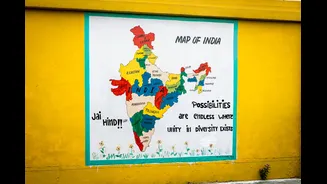
average rainfall between June and September. The shortfall was not uniform, creating pockets of severe stress. The southern peninsula and the east and northeast regions were hit particularly hard, with deficits of approximately 24% and 25% respectively. States like Karnataka experienced a massive 35% shortfall. This erratic performance, influenced by strengthening El Niño conditions, means the primary source for replenishing India’s water bodies has fallen short, setting the stage for future challenges.
From Rain Deficit to Reservoir Distress
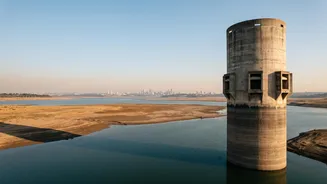
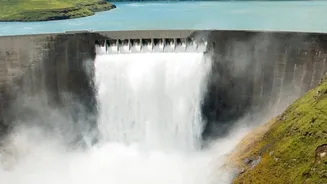
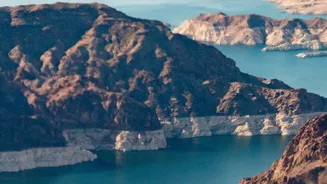
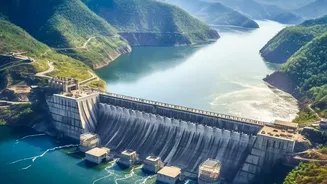
For urban India, the most immediate consequence of a poor monsoon is its impact on reservoir levels. Cities across the country depend on these large bodies of water for their daily supply. Following the deficient monsoon, water storage in India's 178 major reservoirs has dropped to a 10-year low for this time of year, standing at about 70% of total capacity. This is significantly lower than the levels recorded at the same time last year and below the decade's average. The situation is most alarming in southern India, where reservoirs are holding only about 50% of their capacity, compared to nearly 88% a year ago. This sharp decline is a direct threat to the drinking water supplies of millions in cities that are entirely dependent on this stored water to last through the long dry season ahead.
Which Cities Are on High Alert?
While official water rationing plans are yet to be announced in many areas, the data points to several regions facing a precarious situation. The entire southern peninsula is a cause for concern. In Tamil Nadu, 63 of the state's 90 reservoirs were holding less than 25% of their capacity as of early October. Karnataka is also facing a dire situation, with authorities in some areas already halting water for agricultural use to preserve it for drinking. Mysuru district was reported to be one of the worst affected, with a 59% rainfall deficit. In the west, Maharashtra has declared a drought in 265 of its 358 talukas, covering nearly three-quarters of the state due to insufficient rain and water availability. These states are home to major metropolitan hubs like Chennai, Bengaluru, and Mumbai, whose water systems will be under immense pressure in the post-monsoon months.
The Ripple Effects of Scarcity
A shortfall in reservoir storage is not just an infrastructure issue; it has tangible effects on daily life and the economy. Urban residents could face intermittent water supply, lower water pressure, and an increased reliance on expensive private water tankers. The strain extends beyond households. Industries that require significant water for their operations may face production cuts, and the deficit could also impact hydropower generation from dam-based projects. Furthermore, the agricultural sector, which competes for the same reservoir water, is already feeling the pinch. This can lead to lower crop yields and, subsequently, higher food prices in urban markets. The IMD's forecast of below-normal rainfall for October further compounds these concerns, offering little hope for a late recharge.
A Call for Long-Term Resilience
This year's deficit is a stark reminder of urban India's vulnerability to increasingly erratic weather patterns. Experts argue that the crisis underscores the need to move beyond simply hoping for a good monsoon. The focus must shift towards robust water management and conservation. This includes implementing large-scale rainwater harvesting in cities, aggressively tackling water losses from leaky distribution pipes, and promoting wastewater recycling and reuse. For citizens, it highlights the importance of water conservation at the household level. While individual actions cannot solve a systemic shortage, a collective effort in reducing consumption can help ease the strain on municipal supplies. The current situation is a warning that building water resilience is no longer an option but a critical necessity for India's cities.