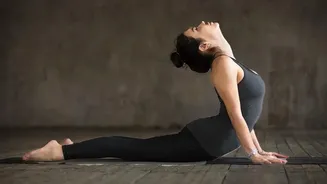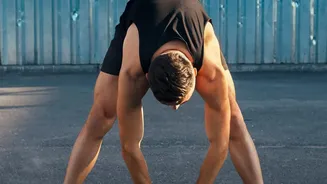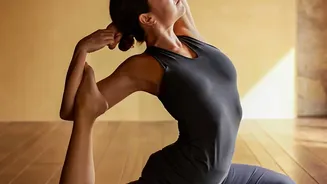

Why Yoga Works for Stiffness
When we feel stiff, it's often because our muscles are tight and our joints have a limited range of motion. Yoga helps by combining physical postures (asanas) with mindful breathing. This pairing works to lengthen and stretch muscles, improve blood circulation
to tired areas, and calm the nervous system. Unlike some forms of exercise, yoga encourages slow, controlled movements that gently increase flexibility over time without putting undue stress on the body. It teaches you to move with intention, which can improve posture and reduce the daily aches and pains that come from muscle imbalances.
Cat-Cow Stretch (Marjaryasana-Bitilasana)
This is often the first pose taught in a beginner's class, and for good reason. It is a gentle, flowing movement that warms up and increases flexibility in the spine. By moving between the two positions, you stretch your neck and back, and activate your core muscles. This simple sequence helps to relieve tension from the shoulders down to the lower back. To perform it, start on your hands and knees. As you inhale, drop your belly and look up (Cow). As you exhale, round your spine toward the ceiling and tuck your chin to your chest (Cat). Coordinating the movement with your breath can also be incredibly calming.
Child’s Pose (Balasana)
Child's Pose is a restorative posture that offers a gentle stretch for the entire back, hips, thighs, and even the ankles. It is an excellent resting pose for beginners and provides a moment to reconnect with your breath. It helps to relieve stress and fatigue by calming the nervous system. From a kneeling position, sit back on your heels and fold your torso forward, resting your forehead on the floor. Your arms can be stretched out in front of you or rest alongside your body. If your head doesn't comfortably reach the floor, place a cushion or block underneath for support.
Downward-Facing Dog (Adho Mukha Svanasana)
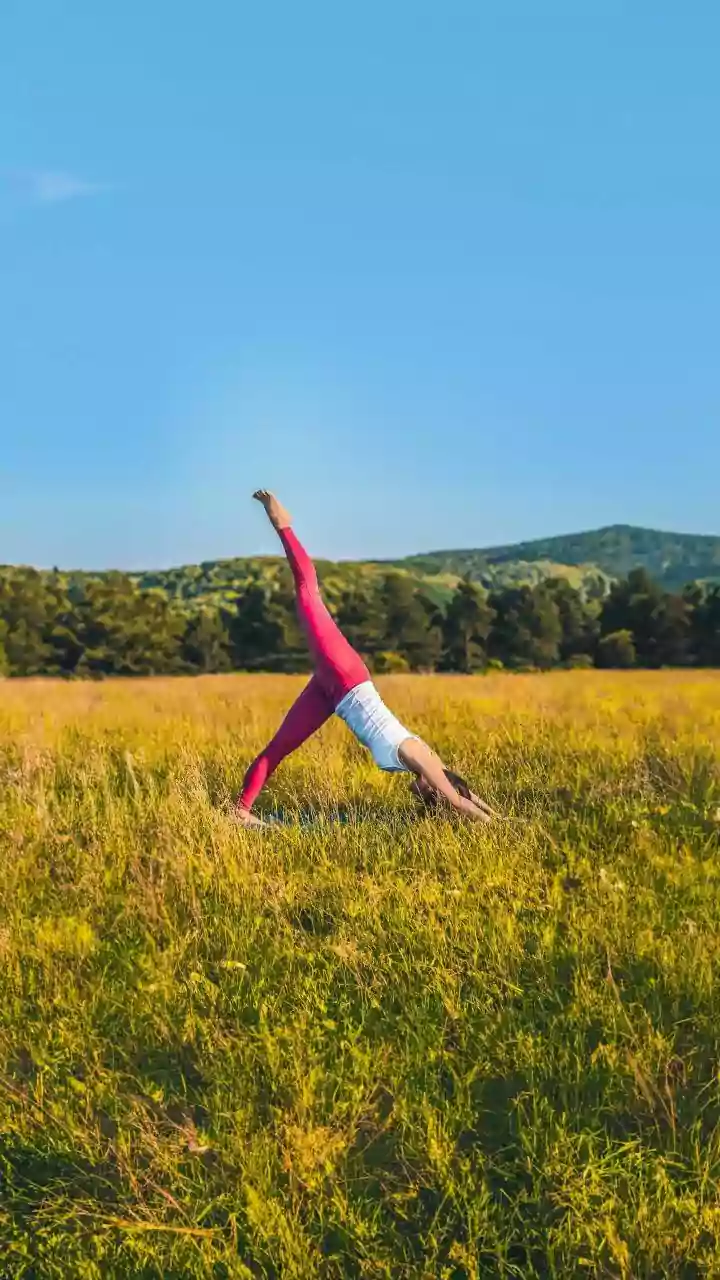
Perhaps the most recognized yoga pose, Downward-Facing Dog provides a full-body stretch, particularly for the hamstrings, calves, and shoulders. It strengthens the arms and upper body while lengthening the spine. For beginners, tight hamstrings can make this pose challenging. Don't worry about getting your heels to the floor. Instead, focus on keeping your spine long by bending your knees generously. From your hands and knees, tuck your toes, lift your hips up and back, forming an inverted 'V' shape with your body. Press firmly through your hands.
Bridge Pose (Setu Bandhasana)
If you spend a lot of time sitting, Bridge Pose is a fantastic counter-pose. It strengthens the back, glutes, and hamstrings while gently stretching the chest, neck, and spine. This pose can help alleviate lower back stiffness and improve posture by opening up the front of the body. To practice it, lie on your back with your knees bent and feet flat on the floor, hip-width apart. Place your arms alongside your body, palms down. Press into your feet and lift your hips off the floor. Hold the position, keeping your thighs parallel, before slowly lowering back down.
Tips for Your Home Practice
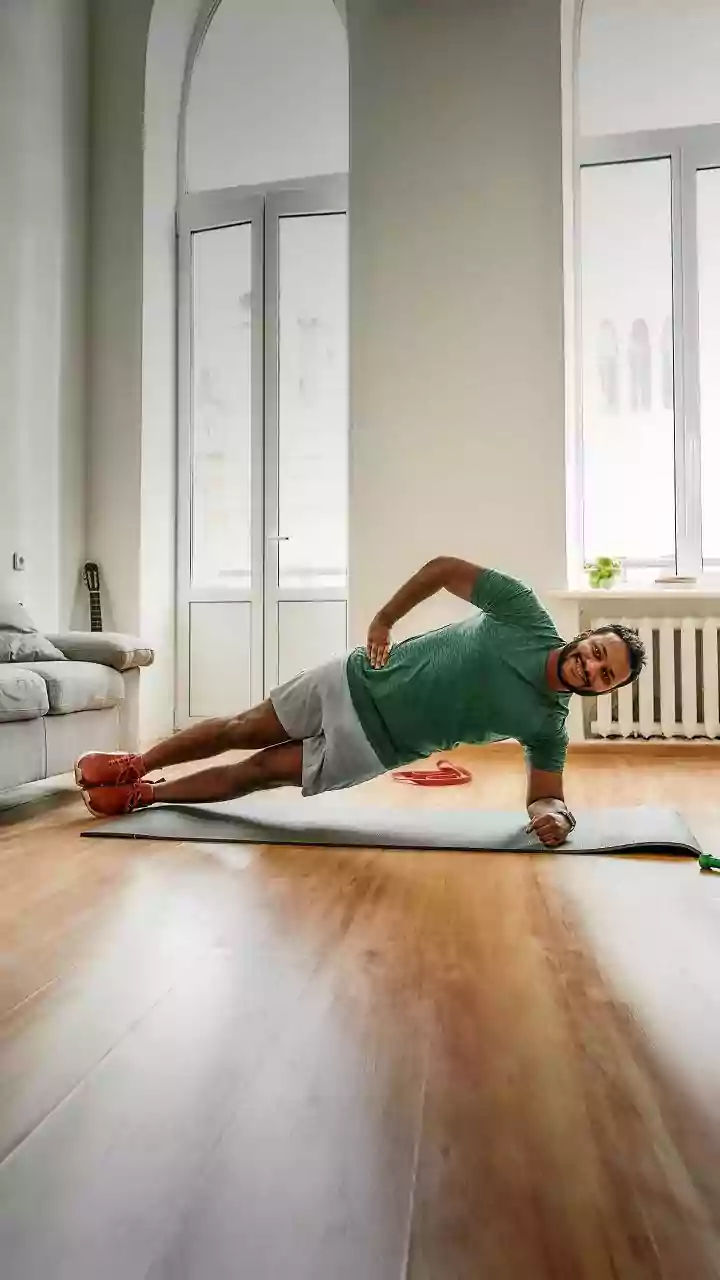
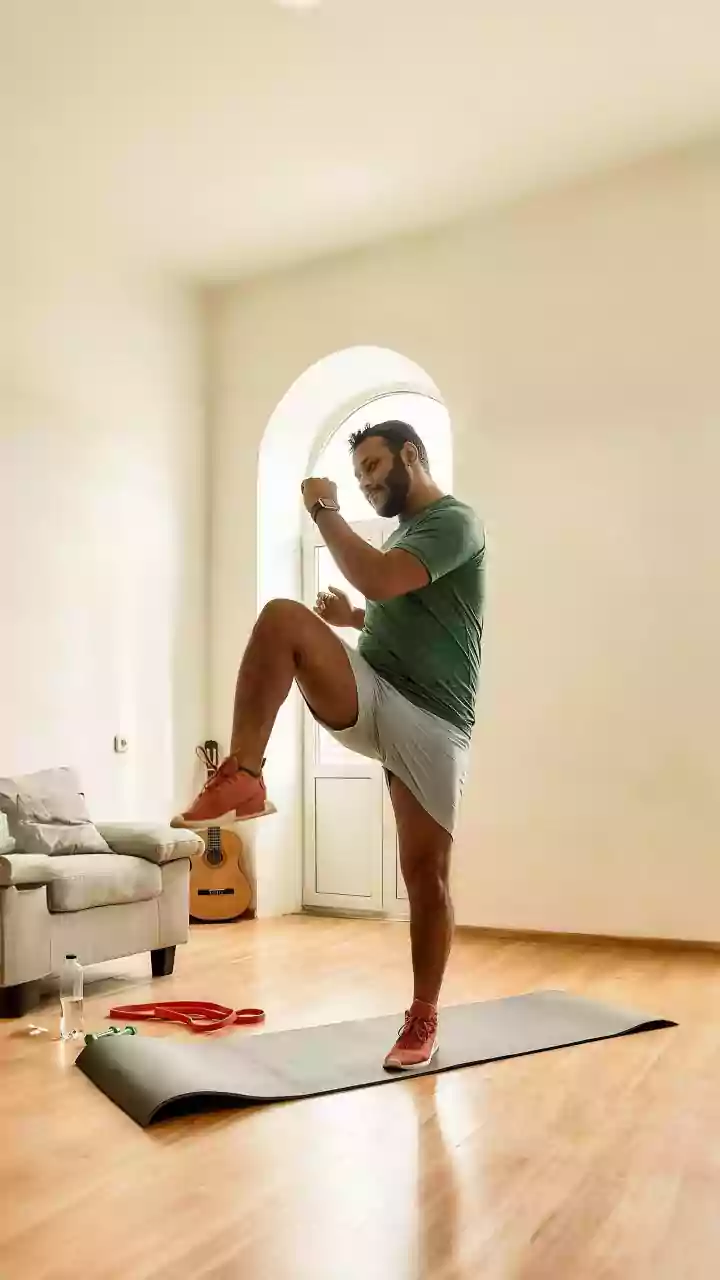
Starting a yoga practice at home is accessible to everyone. Find a quiet, clutter-free space where you can move comfortably. You don't need fancy equipment; a simple mat is enough to begin. The key is consistency, not intensity. Even 10-15 minutes a day can make a significant difference. Most importantly, listen to your body. Yoga should never be painful. If a pose doesn't feel right, gently back off or try a modification. The goal is to cultivate a practice that feels good and supports your well-being.