



The End of the Throwaway Gift
For years, the default housewarming gifts were things meant to be consumed and forgotten. A bottle of mid-range Cabernet? Drunk by Saturday. A decorative candle? A scent gamble that’s either used up or relegated to a closet. They’re polite gestures, but
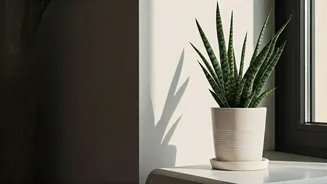
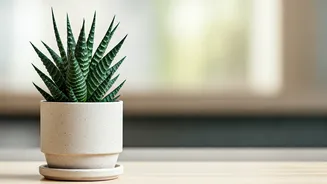
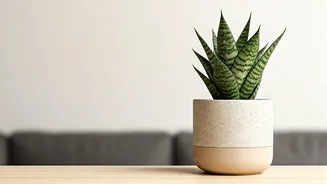
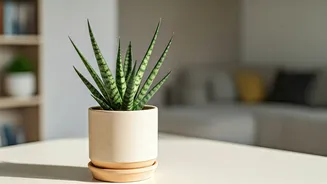
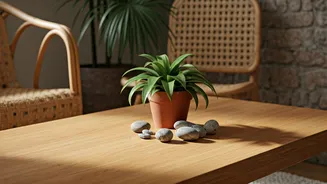
they lack permanence and meaning in an era where people, especially renters, are desperate to make their temporary spaces feel like genuine homes. Enter the snake plant, or *Dracaena trifasciata*. It’s not just a plant; it’s a piece of living decor. It’s a quiet roommate that asks for nothing and offers a splash of green vibrancy in return. Unlike a bottle of wine, it won’t be gone by the weekend. It’s a gift that sticks around, a small but constant reminder of friendship and new beginnings, which is exactly what a new home needs.
Engineered for Renter Life
The snake plant’s rise isn't just about vibes; it’s about brilliant, almost perfect practicality for the American renter. First, there's the light situation. Many rental apartments are saddled with less-than-ideal lighting—north-facing windows, views of a brick wall, or the dreaded garden-level gloom. The snake plant thrives in these low-light conditions. It doesn't need a sun-drenched sill to survive; it’s perfectly happy in a dim corner. Then there’s the watering—or the lack thereof. For renters juggling busy careers, social lives, and the general chaos of modern adulthood, a high-maintenance plant is a death sentence. The snake plant is a succulent, meaning it stores water in its leaves and prefers to dry out completely between waterings. Forget about it for three weeks? It will be fine. This resilience makes it the perfect companion for someone who travels or is simply not gifted with a green thumb. Its vertical, upright growth habit is another bonus, taking up minimal floor space in often-cramped city apartments.
A Symbol of Stability
Beyond its practical benefits, the snake plant carries a potent, if subtle, symbolism. Renting can feel transient, a series of temporary stops on the way to an uncertain destination. Bringing something living and enduring into that space is a powerful act. The snake plant is famously hard to kill; it’s a survivor. Gifting one is like offering a vote of confidence. It’s a way of saying, “May you be as resilient and steadfast in this new home as this plant is.” In a culture that often romanticizes homeownership, the snake plant offers a counter-narrative. It suggests that you can put down roots—even small, potted ones—wherever you are. It’s a living testament to making the best of your current space, of cultivating a sanctuary even if you don’t own the walls. It acknowledges the reality of renting while celebrating the act of making a home.
The Wellness Halo Effect
Finally, there’s the undeniable wellness component. Snake plants are often touted for their air-purifying qualities, a reputation born from a famous 1989 NASA study. While you’d need a veritable jungle of them to significantly cleanse the air in your apartment, the *idea* itself is powerful. In a world obsessed with wellness, clean living, and biophilia—our innate desire to connect with nature—having a plant that is perceived as “working for you” is a huge psychological plus. It makes a space *feel* healthier, cleaner, and more intentional. It’s a low-cost, high-impact way to tap into the wellness aesthetic that dominates social media feeds. The sharp, architectural lines of its leaves also fit perfectly with the minimalist and mid-century modern aesthetics popular in rental decor, making it a stylish choice that feels curated, not accidental.