



Protein's Building Blocks: Amino Acids
First, let's talk about what protein is made of: amino acids. Think of them as tiny building blocks your body uses for everything from repairing muscle to supporting your immune system. There are 20 different amino acids, but they fall into two main categories.
The first is non-essential amino acids, which your body can produce on its own. The second, and more important for our discussion, is essential amino acids. There are nine of these that your body cannot make, so you must get them from the food you eat. These are histidine, isoleucine, leucine, lysine, methionine, phenylalanine, threonine, tryptophan, and valine.
What 'Complete Protein' Really Means
You've likely heard the term "complete protein." A food is considered a complete protein when it contains all nine essential amino acids in adequate amounts. Most animal-based foods—like meat, fish, eggs, and dairy—fall into this category. On the other hand, most plant-based foods are considered "incomplete" because they are low in one or more of these essential amino acids. But "incomplete" doesn't mean inferior. It simply means that to get the full range of what your body needs, you need to combine different plant foods. This is where the concept of protein synergy, or complementation, comes into play.
The Power of the Humble Lentil
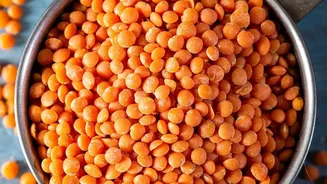
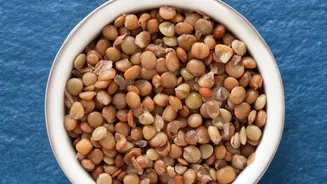
Lentils are a true powerhouse of plant-based nutrition. They are packed with protein, loaded with fibre, and offer a wealth of other nutrients. Often called "the poor man's meat," they provide affordable, high-quality nutrition. While lentils contain all nine essential amino acids, they are relatively low in two of them: methionine and cysteine. This is why, on their own, they aren't technically a complete protein source. However, they are rich in lysine, an amino acid that many grains lack. This makes them the perfect partner for a wide variety of other plant foods.
The Magic of Pairing: Lentils and Grains
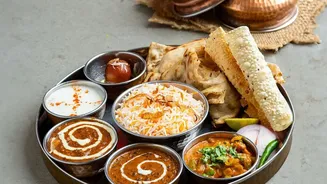
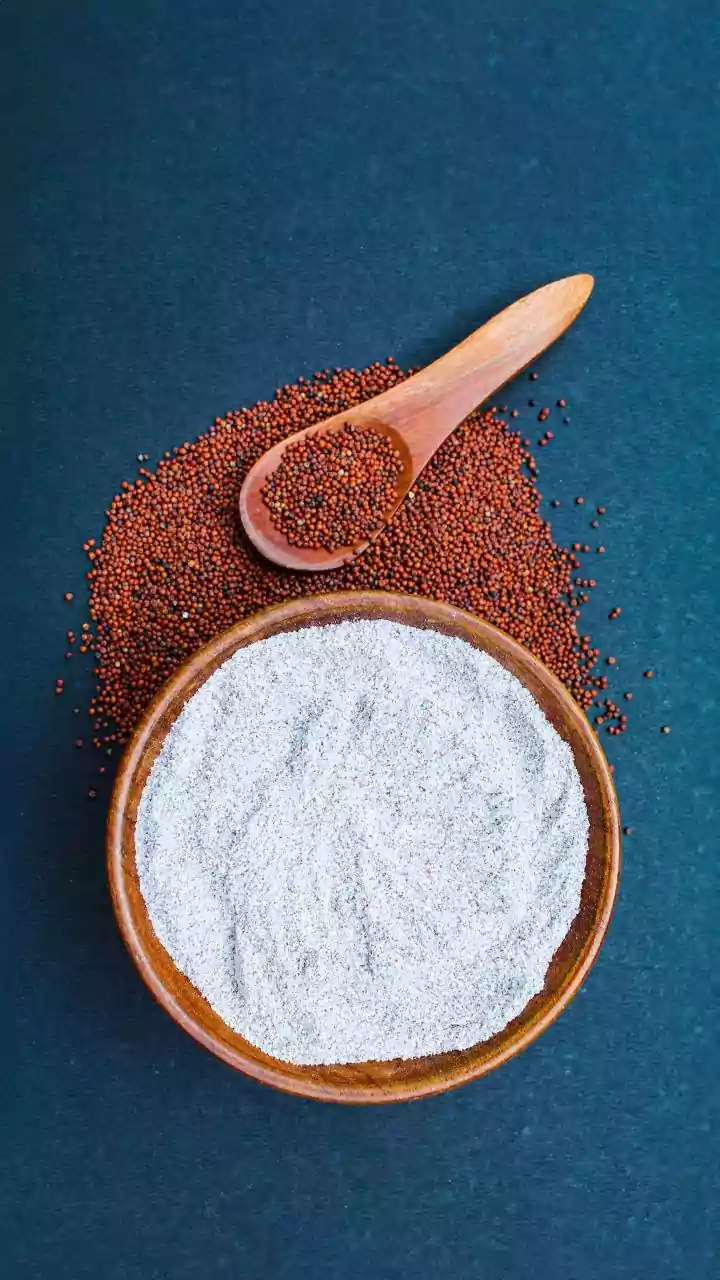
Creating a complete protein with lentils is remarkably simple. The key is to pair them with a food that is rich in the amino acids they lack. The most classic and effective pairing is with grains. Grains like rice, wheat, and barley are low in lysine but have plenty of methionine and cysteine—the very amino acids lentils are missing. This is why dishes like Indian dal with rice or a hearty lentil soup served with whole-wheat bread are not just comforting and delicious; they are nutritionally complete meals. The lentils provide the lysine that the grains are missing, and the grains provide the methionine that the lentils are missing. Together, they form a perfect protein team.
Beyond Grains: Other Perfect Partners
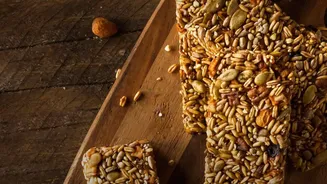
While grains are the most common partner for lentils, the options don't stop there. You can also create a complete protein profile by pairing lentils with nuts and seeds. Sprinkling sunflower or pumpkin seeds over a lentil salad, for instance, adds texture, flavour, and the missing amino acids. If you include dairy in your diet, a dollop of yogurt on your lentil curry also helps complete the protein profile. The goal is simply to bring in a food source that compensates for the lower levels of methionine in the lentils, and many common pantry staples do the job perfectly.
Do You Need to Eat Them at the Same Meal?
For many years, it was believed that you had to eat complementary proteins in the same meal for your body to use them effectively. This myth, which originated in the 1970s, has since been widely debunked. Modern nutritional science shows that our bodies maintain a temporary reserve of amino acids, often called an "amino acid pool." This means that as long as you eat a variety of plant-based protein sources throughout the day, your body can pull the different amino acids it needs to build complete proteins. So, if you have lentil soup for lunch and a slice of whole-grain toast for a snack later, your body knows exactly what to do. The key is variety over the course of your day, not stress at every single meal.