




Understanding the Orionids
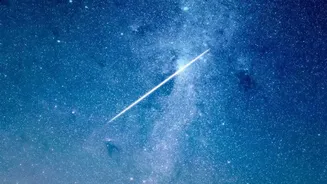
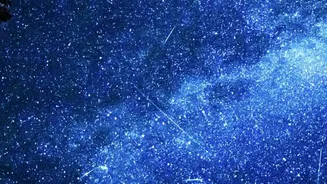
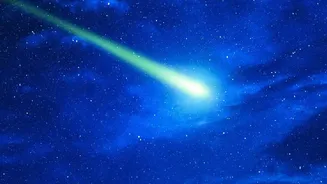
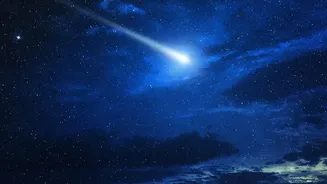
The Orionid meteor shower is an annual celestial event that occurs when the Earth passes through the stream of debris left behind by Halley's Comet (1P/Halley). As these tiny particles, many no bigger than a grain of sand, enter our atmosphere at high
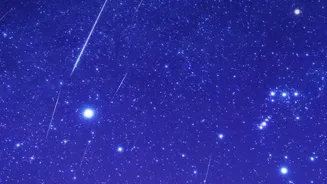
speeds—about 66 kilometres per second—they burn up, creating the spectacular streaks of light we call meteors or 'shooting stars'. The shower gets its name because the meteors appear to radiate from a point in the sky near the constellation Orion, the Hunter. This makes the mighty hunter your celestial signpost for the event.
Mark Your Calendar: Prime Viewing Time
The Orionids are active from early October to early November. However, the best time to watch will be during the peak, which in 2026 falls on the night of October 21-22. The most activity is expected in the pre-dawn hours. This year, there is a challenge: a bright waxing gibbous Moon will be in the sky for the first part of the night. The good news for dedicated viewers is that the Moon will set around 3 a.m. local time, opening up a window of dark skies until dawn begins to break. This post-moonset period is your golden opportunity for the best viewing.
Finding Orion: Your Cosmic Guide
You don't need to be an astronomy expert to find Orion. It's one of the most recognisable constellations in the night sky. Look for a short, straight line of three bright stars—this is Orion's Belt, the most famous feature of the constellation. In the autumn months in India, Orion rises in the east after 10 p.m. and will climb higher in the sky as the night progresses. While the meteors seem to come from Orion, you don't need to stare directly at it. In fact, looking about 45 degrees away from the radiant point will allow you to see longer, more dramatic streaks as the meteors travel across the sky.
Beating the Urban Glow
The biggest obstacle for city-based skywatchers is light pollution. The pervasive glow from streetlights and buildings can wash out all but the brightest meteors. But don't lose hope. Your first step is to find the darkest possible spot available to you. This could be a park, a rooftop, or even a balcony that is shielded from direct streetlights. The key is to minimise direct glare. Secondly, and just as importantly, you must allow your eyes to adapt to the darkness. This takes at least 20-30 minutes. During this time, you must avoid looking at any bright lights, especially your phone screen, as a single glance can reset your night vision. Patience is essential.
Your Viewing Toolkit (No Telescope Needed)
The headline is right: you absolutely do not need a telescope. Meteor showers are best viewed with the naked eye, as you want to take in as wide a patch of sky as possible. Your essential gear is all about comfort. Since you'll be looking up for a while, a reclining chair or a thick blanket to lie on the ground is a great idea. Autumn nights can get chilly, so dress in layers and perhaps bring a warm drink in a flask. Comfort will allow you to stay out longer, increasing your chances of spotting those fleeting streaks of light. Be patient; the show lasts until dawn, so you have plenty of time to catch a glimpse.