
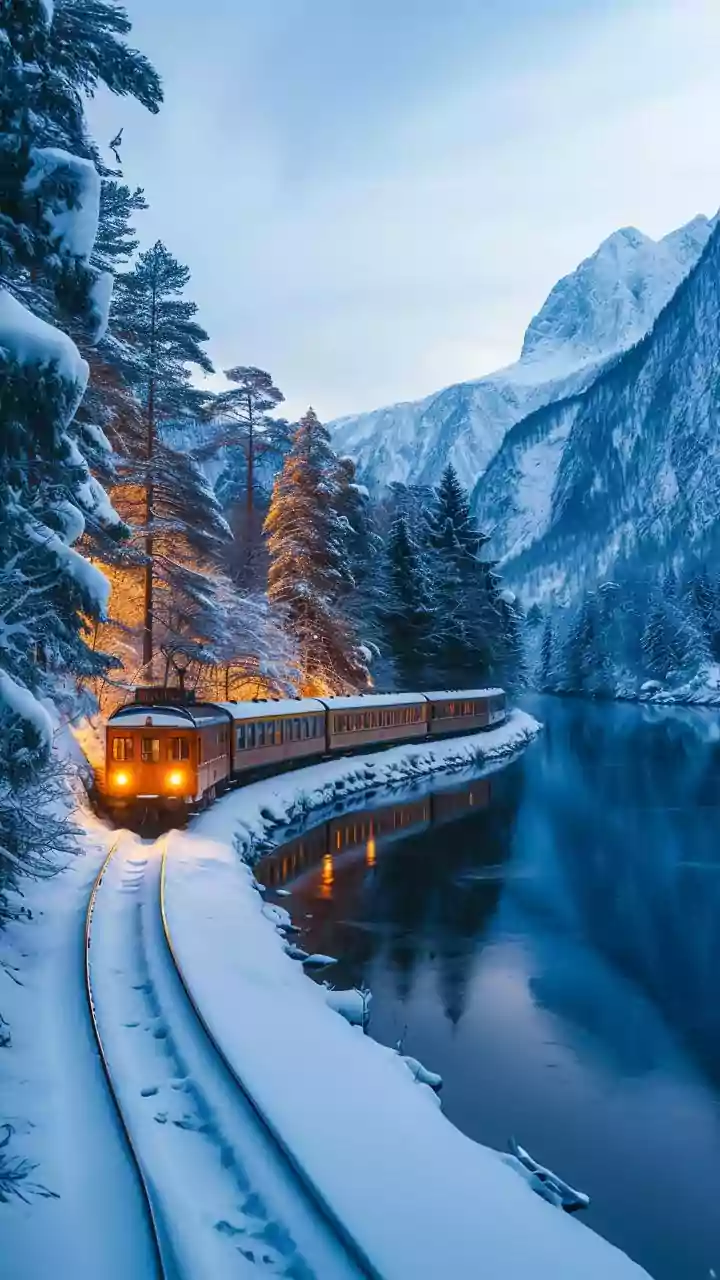

The snow-covered forests, glass igloos, and dancing Northern Lights of a Nordic winter fill social media feeds, inspiring travel dreams. But the perfect trip requires looking beyond the photos to embrace the beautiful, cold reality.
Expectation: The Northern Lights Will Dance Every Night
The number one draw
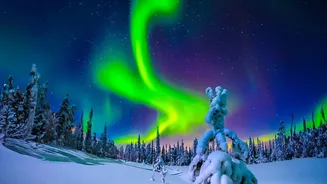
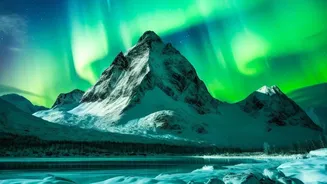
for many is the aurora borealis. The expectation is a sky filled with vibrant green and purple curtains nightly. The reality is that the Northern Lights are an unpredictable natural phenomenon. Seeing them depends on a perfect trifecta: clear, dark skies, no light pollution, and sufficient solar activity. On many nights, the aurora might be a faint, pale green glow that is easily mistaken for a cloud, or it might not appear at all if the sky is overcast. While cameras capture intense colours through long exposure, what you see with the naked eye can be more subtle. Booking a multi-night trip far north in places like Tromsø in Norway or Finnish Lapland significantly increases your chances, but a sighting is never guaranteed.
Reality: The Pervasive Darkness and Intense Cold
Travellers dream of a 'White Christmas' landscape, but often underestimate what a true Arctic winter feels like. In December and January, northern regions like Lapland experience 'Polar Night', where the sun doesn't rise at all. Even in southern cities like Oslo or Stockholm, you may only get about six hours of dim, low-angle daylight. This means sightseeing is condensed into a short window. The cold is also more severe than many anticipate, with temperatures in the interior dropping well below freezing. Proper clothing is not a suggestion; it is essential for safety and comfort. This means investing in merino wool base layers, a fleece mid-layer, and a windproof outer shell. Cotton and jeans are a bad idea as they absorb moisture and freeze.
Expectation: A Budget-Friendly European Getaway
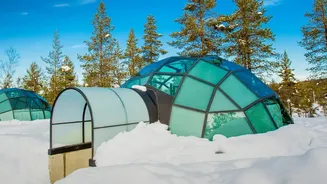
There is a perception that since it's the 'off-season', a Nordic winter trip might be cheaper. The reality is that Scandinavia is one of the most expensive regions in the world, and winter is a peak season for Arctic tourism. A meal at a basic restaurant can be surprisingly costly, and hotels, especially unique stays like glass igloos or the ICEHOTEL, come at a premium. A 7-night trip can easily cost between ₹2.5 lakh and ₹4 lakh per person from India, once flights, visas, activities, and food are factored in. Activities like husky sledding, reindeer safaris, and guided aurora hunts add to the cost, with a single Northern Lights chase often costing ₹8,000–₹18,000 per person.
Reality: The Quiet Magic and 'Koselig' Culture
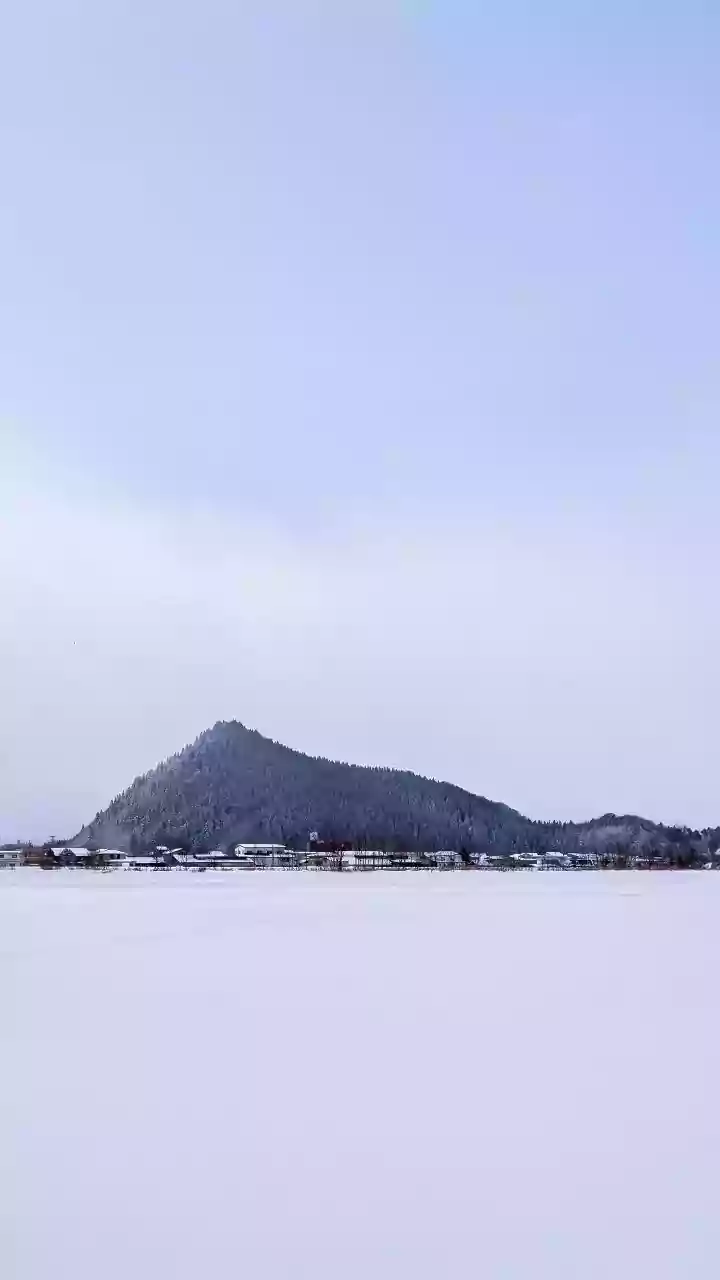
While the grand spectacles are subject to nature's whims, the guaranteed magic of a Nordic winter lies in its unique atmosphere. The short days and cold nights have given rise to a culture of 'hygge' (in Denmark and Norway) or 'mys' (in Sweden) — a feeling of cosiness, contentment, and warmth. It's found in candlelit cafes, roaring fires in log cabins, and the simple joy of a hot drink after a walk in the crisp, cold air. The snow-dusted landscapes are profoundly quiet and peaceful, a stark contrast to the bustle of life in India. Activities like a traditional Finnish sauna, followed by a (brave) roll in the snow, offer a unique cultural immersion that is just as memorable as any light show.
Expectation: Effortless Winter Wonderland Activities
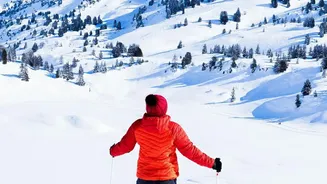
The photos show people gracefully gliding on husky sleds or snowmobiles through pristine forests. The reality is that these are demanding physical activities in extreme conditions. Driving a team of huskies requires strength and focus. Snowmobiling can be intensely cold due to wind chill. Even just walking on icy streets can be a challenge. Tour operators provide excellent thermal suits and instruction, but it's important to be in reasonable physical shape and prepared for the cold. The reward is an unparalleled way to experience the Arctic wilderness, feeling the power of the dogs or the thrill of speeding across a frozen lake.