


The Modern Grocery Maze
For young, health-conscious consumers, a trip to the supermarket can feel like a pop quiz. Brands use bright colours and catchy buzzwords to grab your attention. Claims like 'real ingredients', 'farm fresh', and 'superfood' are plastered across the front
of boxes, making it hard to know what's genuinely healthy. This is intentional. The front of the package is marketing designed to appeal to your goals and values. The real story, however, is on the back. This is where you move from being a target of marketing to an informed consumer. For a generation that values transparency and authenticity, ignoring the sales pitch and heading straight for the facts is the first step toward empowerment.
Beyond the Bold Print
The most crucial part of any food label isn't the calorie count—it's the ingredient list. Ingredients are listed by weight, from the highest quantity to the lowest. This is your most powerful tool for identifying unprocessed foods. A simple rule of thumb is the shorter, the better. If the first three ingredients are maida, sugar, or salt, the product is likely highly processed, regardless of any 'healthy' claims on the front. Unprocessed foods have ingredient lists you can recognise: 'whole wheat', 'almonds', 'oats'. Highly processed foods often contain a long list of chemicals, preservatives, and things you wouldn't find in a home kitchen. Focusing on a short list of recognisable ingredients is a simple, effective strategy for cleaning up your grocery cart.
Cracking the Code on Serving Sizes
Food manufacturers can make a product appear healthier by using unrealistically small serving sizes. You might see a snack that lists only 100 calories and think it's a great choice, but the package could contain three or four servings. The nutrition information on the label—calories, fat, sugar, and sodium—applies only to that single, often tiny, serving. Before you trust the numbers, always check the serving size and the number of servings per container. If you know you're likely to eat the entire package, you need to multiply all the nutritional values to get an accurate picture of what you're consuming. The 'per 100g' column is often a more reliable way to compare two different products, as it provides a standard measure.
The Many Names of Sugar and Fat
Two of the biggest culprits in processed foods are hidden sugars and unhealthy fats. Sugar isn't just listed as 'sugar'. It hides under dozens of names like high-fructose corn syrup, dextrose, maltose, and sucrose. Similarly, unhealthy trans fats may be present even if the label says '0g trans fat', which is allowed if the amount is less than 0.5 grams per serving. Look for terms like 'partially hydrogenated oil' or 'hydrogenated oil' in the ingredient list; these are tell-tale signs of trans fats. Being able to spot these hidden ingredients allows you to see past claims like 'sugar-free' or 'low-fat', which can be misleading.
The Power of Choosing Whole Foods
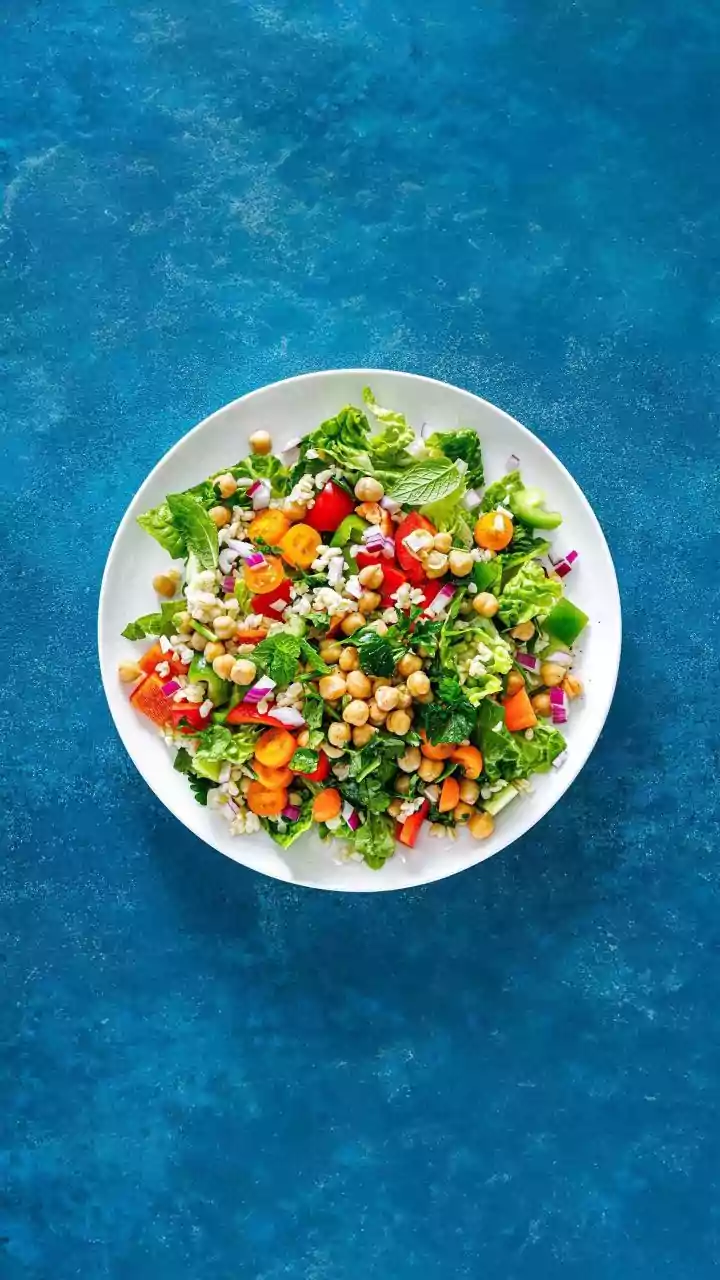
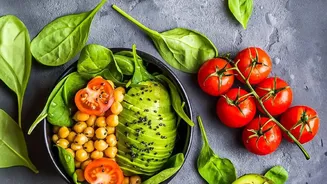
Making a conscious choice to buy whole, unprocessed foods is about more than just avoiding additives. Whole foods—like fresh fruits, vegetables, lean meats, and whole grains—are nutritionally superior. They are packed with the fibre, vitamins, and minerals your body needs for sustained energy, better digestion, and a lower risk of chronic diseases like diabetes and heart disease. A diet rich in whole foods can improve gut health, boost metabolism, and even enhance mental clarity. By decoding labels to avoid ultra-processed items, you are actively choosing to nourish your body with foods that support long-term health and well-being.
From Confusion to Confidence
Initially, reading every label can feel slow and tedious. But with practice, it becomes second nature. You'll quickly learn to spot your go-to healthy staples and identify which products are not aligned with your health goals. This skill transforms your grocery shopping experience from a confusing chore into an act of self-care. It's a powerful feeling to know that you are in control, making intentional choices based on facts, not marketing fluff. This confidence radiates into the kitchen and onto your plate, fostering a healthier relationship with food built on awareness and knowledge.