




Ginger and Garlic: The Antimicrobial Duo
Ginger and garlic are staples in Indian kitchens for a reason, and their importance doubles during monsoon. Nutritionists and Ayurvedic experts highlight their natural antimicrobial and anti-inflammatory properties. Ginger, with its bioactive compound
gingerol, is excellent for soothing an upset stomach, improving digestion, and fighting off sore throats and congestion. Garlic, valued as nature's antibacterial agent, helps the body combat seasonal infections. Adding fresh ginger and garlic to soups, dals, and teas is a simple yet effective way to help your body defend itself against the common colds and bugs that thrive in the damp weather.
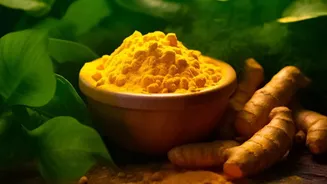
Turmeric: The Golden Immunity Booster
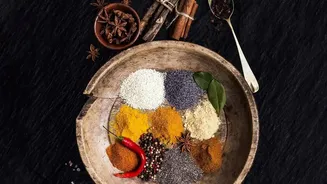
Turmeric, or haldi, is celebrated for its potent compound, curcumin, which has powerful anti-inflammatory and antioxidant benefits. During the monsoon, when the body is more susceptible to infections, turmeric helps strengthen the immune response. Nutrition experts recommend adding it to dals, vegetables, and warm milk. According to Ayurveda, it helps support the digestive fire, or 'Agni', which is considered weaker during the rainy season. This makes it a crucial spice for not only fighting germs but also for ensuring your food is digested well.
Gourds like Lauki and Karela: Light and Cleansing
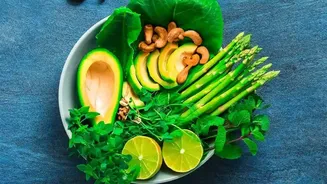
Heavy, oily foods can burden the digestive system during the monsoon. This is why easily digestible vegetables like bottle gourd (lauki) and bitter gourd (karela) are highly recommended. Lauki is hydrating, light on the stomach, and rich in fiber. Karela, despite its bitter taste, is a powerhouse of nutrients and is known for its antiviral properties and ability to cleanse the gut of harmful bacteria. Nutritionists suggest including these cooked vegetables in meals like sabzis or soups to keep digestion smooth and prevent the feeling of heaviness.
Seasonal Fruits: Jamun and Pomegranate
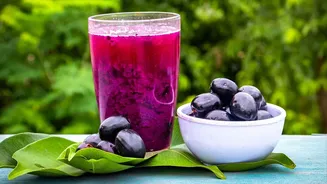
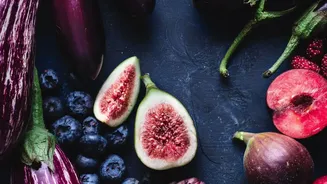
While it's wise to be cautious with raw foods, certain seasonal fruits are perfect for the monsoon. Jamun (Indian blackberry) is a seasonal favourite, rich in Vitamin C, iron, and antioxidants that support healthy digestion and immunity. Pomegranate is another excellent choice, packed with antioxidants and Vitamin C that help reduce inflammation and bolster the body's natural defences against infection. These fruits provide essential nutrients without being too heavy, making them a smart way to satisfy sweet cravings while supporting your health.
Moong Dal and Khichdi: The Ultimate Comfort Meal
According to both nutritionists and Ayurvedic principles, moong dal is one of the most easily digestible pulses, making it ideal for the monsoon. A simple bowl of khichdi, made from rice and moong dal, is considered a perfect meal for this season. It is light, nourishing, and doesn't strain the digestive system. Cooking it with digestive spices like cumin, ginger, and a pinch of turmeric further enhances its benefits, providing a complete, warm, and comforting meal that supports gut health when it's most vulnerable.
Probiotics like Curd and Buttermilk
Gut health is the cornerstone of a strong immune system. Probiotic-rich foods like fresh, homemade curd (yoghurt) and buttermilk (chaas) are excellent for maintaining a healthy gut microbiome. Curd is packed with good bacteria that help fight off pathogens. However, Ayurveda often suggests opting for buttermilk during monsoon, as it's considered lighter and easier to digest. A glass of chaas, seasoned with roasted cumin and black salt, can aid digestion after a meal and prevent bloating. It's best to consume these during the daytime.