





David Beckham
David Beckham is arguably the blueprint for the modern footballer as a global brand. While a phenomenal player for Manchester United and Real Madrid, his fame eventually had little to do with his on-pitch performances. His marriage to a Spice Girl, his ever-changing
hairstyles, and his multi-million dollar endorsement deals with brands like Adidas and Pepsi made 'Brand Beckham' a worldwide phenomenon. When he moved to LA Galaxy in 2007, he wasn't just a player; he was a cultural event credited with elevating the profile of Major League Soccer (MLS) itself. His contract famously included the option to purchase an MLS expansion team, which became Inter Miami CF, demonstrating a level of influence far beyond that of a typical player. His business ventures, including DB Ventures which manages his endorsements, now generate tens of millions annually, proving his brand has long outlasted his playing career.
Diego Maradona
No player is more intertwined with the soul of a city than Diego Maradona is with Naples. Before his arrival in 1984, Napoli was a club that had never won a Serie A title and represented a city often looked down upon by the wealthier north of Italy. Maradona didn't just play for Napoli; he became its saviour and secular saint. He almost single-handedly dragged the team to its first-ever league title in 1987, sparking city-wide celebrations that lasted for over a week. He delivered a second league title and a UEFA Cup, achievements that validated the pride of an entire city. A local newspaper at the time of his signing wrote, 'We have no mayor, houses, schools... but none of this matters because we have Diego Maradona'. Even today, his murals adorn the city, and Napoli's stadium is named after him, a permanent monument to a man who was, and remains, bigger than the club itself.
Cristiano Ronaldo
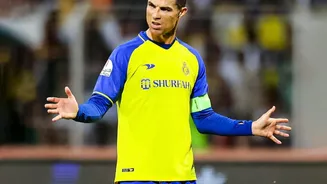
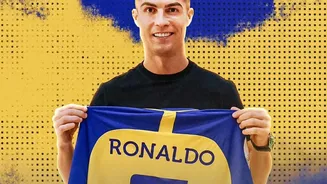
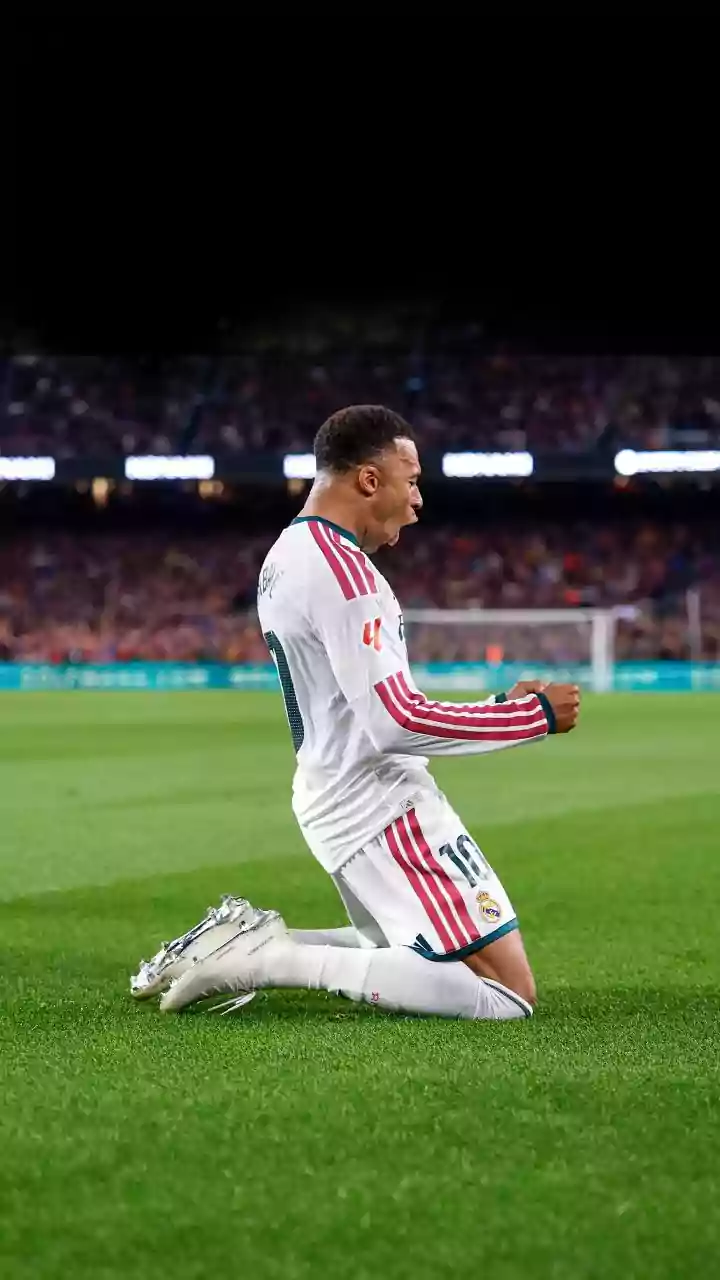
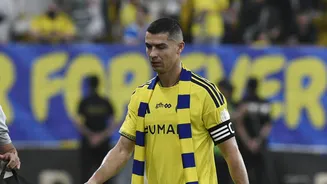
Cristiano Ronaldo represents the individual as a media and commercial powerhouse. While he achieved legendary status at Manchester United and Real Madrid, his subsequent moves demonstrated that his personal brand, CR7, was a bigger draw than almost any club. When he moved to Juventus in 2018, the club's social media following surged. But his transfer to Saudi Arabia's Al-Nassr in 2023 was the clearest evidence of his power. Al-Nassr's Instagram followers exploded from under a million to tens of millions, transforming the club's global visibility overnight. More significantly, his arrival gave the Saudi Pro League instant credibility, helping it attract a host of other top-tier players and expanding its broadcast reach from three territories to over 140 countries. League revenues reportedly increased by 650%, a direct result of Ronaldo's presence. He is a walking, talking marketing phenomenon whose followers and influence move with him, not the club he plays for.
Lionel Messi
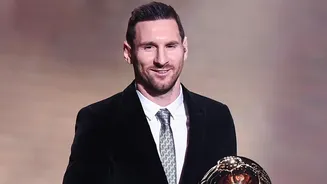
For years, Lionel Messi and FC Barcelona were synonymous. Yet, his move to Inter Miami in 2023 proved his individual global pull was astronomical. The 'Messi Effect' was immediate and staggering. Ticket prices for Inter Miami games skyrocketed, with some increasing by over 1,000% on resale markets. Even opposing teams saw massive financial windfalls, moving their home games against Miami to larger stadiums to accommodate the demand. The club's valuation soared from around $585 million to over $1.45 billion, making it the most valuable franchise in MLS. Beyond tickets, his arrival was a seismic event for MLS's broadcast partner, Apple TV, driving a huge number of new subscriptions to its MLS Season Pass. Inter Miami had even structured future sponsorship deals with a clause that doubled the fee if they signed a player of his calibre, banking on the power of one man to transform their entire business model.
Pelé
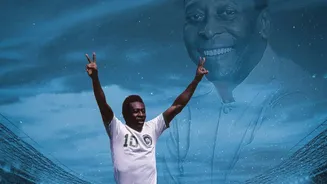
Long before the age of social media and global television rights, Pelé was football's first global superstar. While he is Santos FC's all-time top scorer and led them through a golden era, winning two Copa Libertadores and two Intercontinental Cups, his identity transcended club football. Pelé was Brazilian football. He became an international icon and a global ambassador for the sport itself. Santos famously embarked on world tours simply to showcase his talent to audiences in North America, Asia, and Africa, helping to popularize the game on a global scale. In 1969, his fame was such that a 48-hour ceasefire was declared in the Nigerian Civil War so that both sides could watch him play in an exhibition match. While Santos is a historic club, its worldwide fame is inextricably linked to being the home of 'O Rei' (The King).