





The Passport Six-Month Rule
One of the most common reasons Indian travellers are denied boarding is the six-month validity rule. Many countries require your passport to be valid for at least six months from your date of entry, not your planned date of return. This is a crucial distinction.
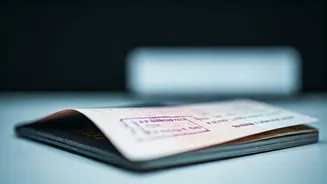
For example, if you enter a country on November 1, 2026, your passport must be valid until at least May 1, 2027, regardless of whether your trip is for one week or one month. Airlines enforce this strictly because they face penalties if a passenger is denied entry at the destination. Beyond validity, most countries also require at least two blank pages in your passport for stamps. Before booking any international travel, the first step should always be to check your passport's expiry date and page count.
What Counts as a Damaged Passport?
A valid visa is useless if the passport holding it is considered damaged. What constitutes damage? It’s a broader category than many realise. Any significant tear, water stain, unofficial marking, or damage to the binding can get your document flagged. For e-passports, damage to the embedded chip, even if not visible, can make it unreadable and therefore invalid. Airlines and immigration officials have the final say, and they tend to be conservative; a document that looks tampered with, even accidentally, raises red flags. If your passport is showing serious signs of wear and tear, the only safe option is to apply for a re-issue through the Passport Seva portal well before your trip. A re-issued passport will have a new number and fresh validity.
Visa, Transit, and Name Mismatches
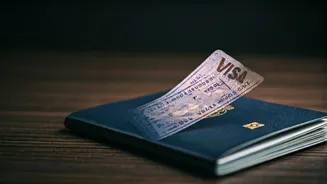
Visa rules are complex and can change with little notice. A common mistake is confusing 'visa-free' with 'visa-on-arrival'. Visa-free means you can enter without a pre-approved visa, but 'visa-on-arrival' requires you to complete formalities and often pay a fee at the border, with specific conditions like proof of funds and a return ticket. Another major pitfall is overlooking transit visa requirements. If your flight has a layover, you must check if that transit country requires a visa, even if you don't plan to leave the airport. Several passengers have been denied boarding for not having the right visa for their connecting city. Finally, ensure the name on your flight ticket is an exact match to the name on your passport. Any discrepancy can be grounds for denial.
Digital Documents Versus Physical Copies
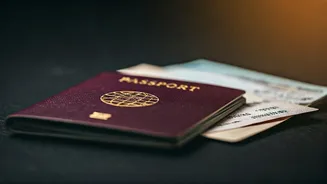
The DigiLocker app is a fantastic tool for domestic travel within India. Airport authorities accept IDs like Aadhaar, PAN, and driving licenses presented from the 'Issued Documents' section of the app. However, this convenience does not extend to international travel. For crossing borders, the physical passport remains the single most important document. While it's wise to keep digital photos or scans of your passport, visa, and tickets on your phone or cloud storage as a backup in case of loss, these digital copies are not a substitute for the original documents at immigration counters abroad. The rule is simple: for international flights, your physical passport and any required visa documents are non-negotiable.
Your Final Document Checklist
To avoid any last-minute panic, run through this simple audit 72 hours before you leave for the airport. 1. Passport Validity: Is it valid for at least six months from your entry date into your destination country? 2. Passport Condition: Is it free from tears, water damage, and other visible defects? 3. Blank Pages: Do you have at least two empty pages? 4. Visa Rules: Have you double-checked the visa and transit visa requirements for your entire itinerary on the official embassy or consulate website? 5. Name Match: Does the name on your ticket perfectly match your passport? 6. Physical & Digital Copies: Do you have all your original documents, plus digital backups stored securely?