



A New Space Race, This Time at Home
India's space story is no longer just about the Indian Space Research Organisation (ISRO). Thanks to landmark policy changes like the Indian Space Policy 2023, the sector has been thrown open to private participation. This has sparked a revolution, with
the number of space startups growing from just a handful to over 400. These companies, founded by ambitious young minds, are building everything from their own rockets to sophisticated satellite constellations. This vibrant ecosystem, often called 'NewSpace,' sees ISRO not as a competitor, but as a crucial enabler. ISRO's decades of experience, its world-class infrastructure, and most importantly, its reliable rockets, form the bedrock upon which this new industry is being built. As a result, every planned ISRO launch is a potential data point, partnership, or business opportunity.
The Ultimate Ride-Sharing Service
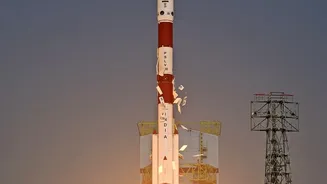
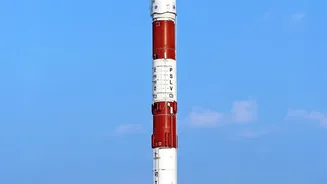
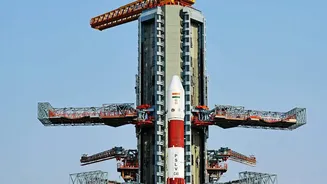
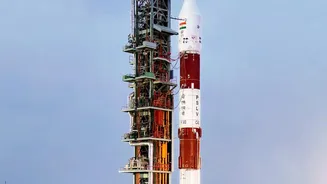
For many startups, the most immediate challenge is getting their technology into space. Designing and building a satellite is one thing; launching it into orbit is another. This is where ISRO's launch calendar becomes a critical business tool. While some companies like Skyroot Aerospace and Agnikul are developing their own launch vehicles, many rely on ISRO's workhorse rockets, like the PSLV, for a ride to space. The government has created agencies like NewSpace India Limited (NSIL) and the Indian National Space Promotion and Authorisation Centre (IN-SPACe) to act as bridges between ISRO and the private sector. IN-SPACe's role is to facilitate access to ISRO facilities and authorise private launches, effectively creating a single-window clearance system for space activities. For a satellite startup, getting a confirmed slot on a PSLV mission can be the make-or-break moment that turns years of R&D into a viable business.
Drafting Behind Flagship Missions
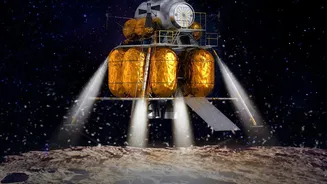
Beyond commercial launch services, ISRO's ambitious national missions create a powerful ripple effect across the entire ecosystem. The upcoming Gaganyaan program, India's first human spaceflight mission, is a prime example. A mission of this complexity requires a vast supply chain, creating opportunities for private companies to contribute everything from life support systems to software solutions. ISRO has estimated that a significant portion of the work for Gaganyaan will be outsourced to Indian industry. Similarly, future missions like Chandrayaan-4, which aims to return samples from the Moon, and the Venus Orbiter Mission will push technological boundaries and require collaboration. Young companies are watching these mission timelines not just for inspiration, but to align their own R&D and business development, hoping to contribute a component, a subsystem, or a crucial piece of data analysis.
More Than Just Launches
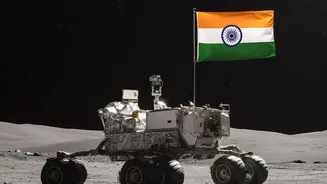
The excitement isn't limited to entrepreneurs. For students and young researchers, ISRO's calendar is a source of immense inspiration and a roadmap for their future careers. High-profile missions galvanise public interest and encourage students to pursue STEM fields. This influx of talent is vital for the long-term health of both ISRO and the private space sector. In fact, the private sector's growth is creating a dynamic two-way street for talent, with experienced ISRO scientists sometimes moving to startups, bringing invaluable expertise with them. The success of missions like Chandrayaan-3 and Aditya-L1 has demonstrated India's prowess on a global stage, fuelling national pride and inspiring the belief that a career in space is not a distant dream but a tangible reality.