

The Psychology of Shapes
Our brains are wired to react to shapes in specific ways. Rectangles and squares, common in modern construction, feel stable and logical but can also feel rigid and confining. In contrast, circles, curves, and organic forms are perceived as softer, more
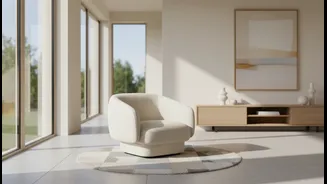
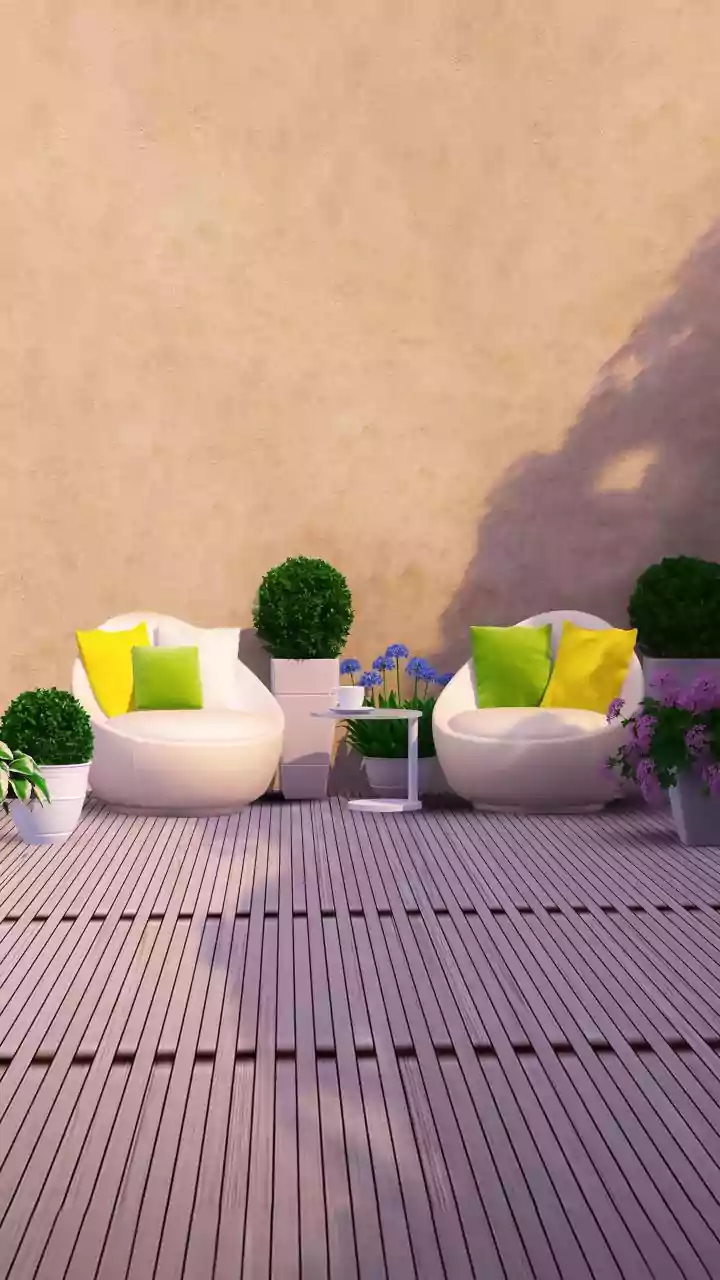
natural, and calming. They evoke feelings of harmony, completion, and safety. When you introduce curved lines into a boxy room, you're not just adding a new piece of furniture; you are subconsciously telling your brain that this is a space for relaxation and flow. Curves encourage the eye to move smoothly around a room, creating a sense of seamlessness that can make a space feel larger and more open.
Break the Box with Arches
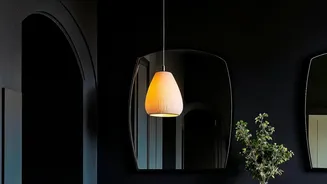
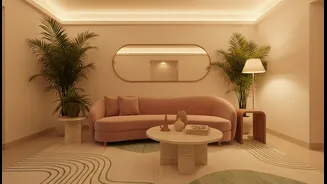
You don't need major renovations to introduce architectural softness. One of the easiest and most impactful ways to fight the box is with a can of paint. Painting a soft arch on a wall can create a stunning focal point, frame a bed or desk, or even create the illusion of a niche or headboard. This simple trick adds depth and character, breaking up a flat, monotonous surface. For a more committed approach, arched doorways, even if just between the living and dining area, can transform the flow of your home, making the transition between spaces feel more graceful and organic. Even an arched mirror can do wonders, reflecting light and adding a soft, sculptural element to a plain wall.
The Magic of Curved Furniture
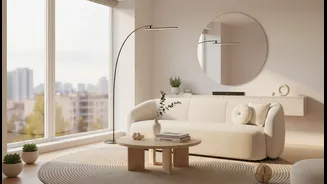
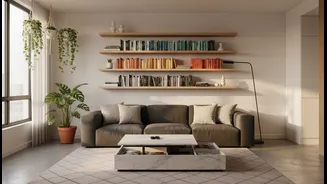
Furniture is where the curve trend truly shines. Swapping a boxy sofa for one with a gentle curve can instantly soften a living room and improve traffic flow. In high-traffic areas, a round or oval coffee table is a game-changer, eliminating the pain of bruised shins from sharp corners. In a compact Indian dining nook, a round dining table is often more efficient than a rectangular one, allowing for easier movement and a more convivial atmosphere. When choosing furniture, look for pieces that stand on visible legs. This allows you to see more of the floor, creating an illusion of lightness and space that prevents the room from feeling weighed down.
Soften with Textiles and Lighting
The power of soft shapes extends beyond large furniture pieces. It’s in the details. Think of a large, circular rug to anchor your living room setup. This not only adds a soft element underfoot but also helps to define a zone within an open-plan space. Swap out square cushions for round or bolster-shaped ones to add visual interest and comfort to your sofa or bed. Lighting is another powerful tool. A single, harsh overhead light can make a room feel flat. Instead, layer your lighting. Introduce a floor lamp with an arched arm that gracefully curves over a seating area, or hang a cluster of round pendant lights over a dining table. These elements draw the eye upwards and diffuse light softly, contributing to a warm and inviting atmosphere.
Accessorise with Intention
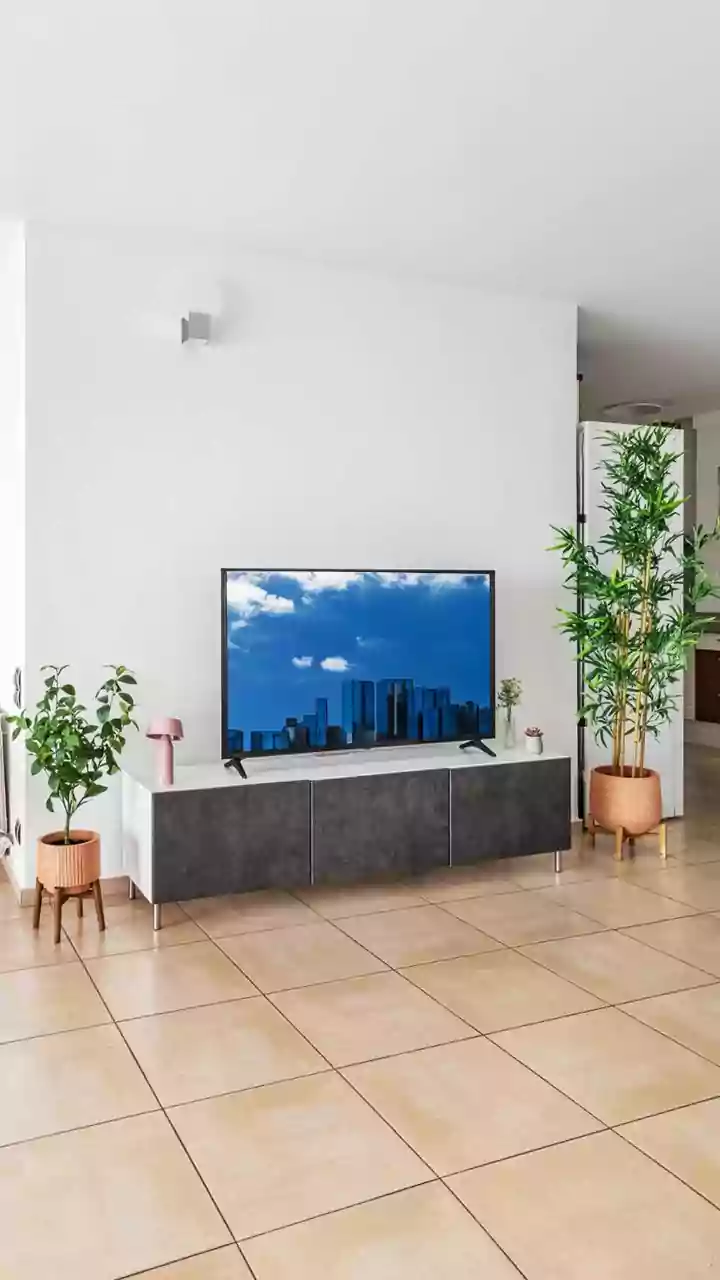
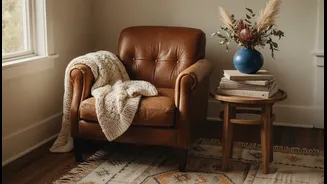
Finally, bring in curves through your decor. Think about oval trays on a coffee table, round vases filled with fresh flowers, and artwork that features flowing lines. Even something as simple as updating cabinet hardware to curved pulls can make a difference. The key is to create a balance. A room filled only with curves can feel chaotic; the magic happens when soft shapes are used to contrast and soften the existing straight lines of the apartment. The goal is not to eliminate every straight line but to create a harmonious dialogue between the angular and the organic, resulting in a space that feels both structured and serene.