



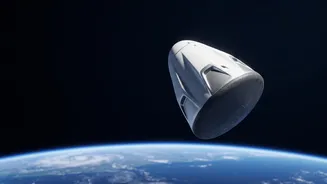
A Milestone for Astronaut Safety
In a significant update provided to Parliament, the Indian Space Research Organisation (ISRO) confirmed that the Gaganyaan programme has reached an advanced stage, with key systems and infrastructure nearing completion. Central to this progress is the successful
development and testing of the Crew Escape System (CES), a critical safety feature designed to protect astronauts in the event of a launch emergency. This system has undergone rigorous static testing of its motors, ensuring it has the power to pull the crew capsule away from a failing rocket at a moment's notice.
The Science of a Safe Escape
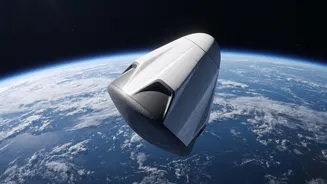
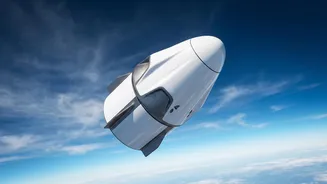
What exactly is a Crew Escape System? Think of it as the most sophisticated ejection seat ever built. Instead of ejecting a single pilot, the CES is designed to pull the entire crew module—the capsule carrying the astronauts—away from the launch vehicle. This system must work flawlessly in a split second, especially during the most dangerous phases of a launch: on the launchpad itself or during the high-stress ascent through the atmosphere. In an emergency, a series of powerful, quick-acting solid-fuel motors fire to propel the capsule to a safe altitude and distance, allowing it to deploy its parachutes for a safe landing. The recent success in testing these components is not just a technicality; it's a fundamental requirement for human-rating a spacecraft.
Inside the Rigorous Test Campaign
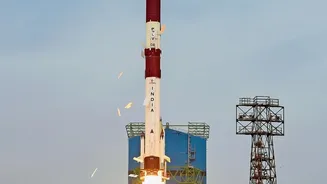
ISRO's confidence comes from a comprehensive series of tests designed to validate every aspect of astronaut safety. These are not single events but a campaign of multiple, layered trials. The process began with a successful Pad Abort Test (PAT) in 2018, which simulated an emergency on the launchpad. More recently, ISRO has been conducting a series of Test Vehicle (TV) missions. The first of these, TV-D1, was successfully conducted in late 2023, testing the abort system at high altitude. The data from these tests, along with static fire tests of five different types of escape motors, proves the system's readiness. The tests have validated not just the escape motors but also the parachute deployment systems, drogue chutes for stabilisation, and the crew module's structural integrity.
What This Means for Gaganyaan's Timeline
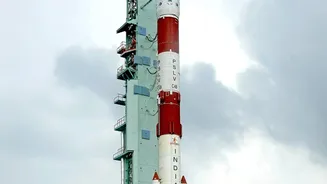
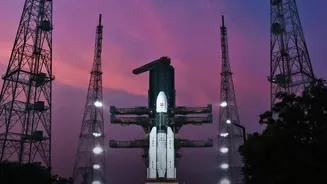
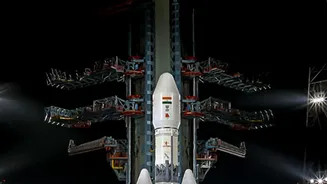
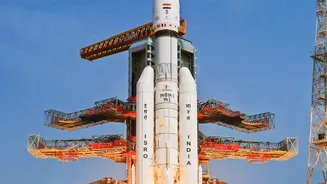
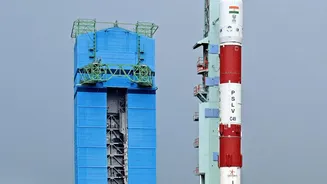
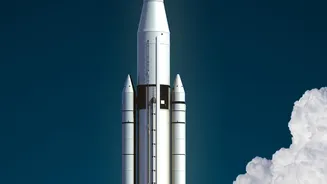
This progress in safety systems is a green light for the next phases of the Gaganyaan mission. With the critical safety infrastructure now largely qualified, ISRO is pushing forward with preparations for the first uncrewed orbital mission. The Human Rated Launch Vehicle (HLVM3), a modified version of the LVM3 rocket, has its propulsion stages and structures fully tested and ready. Key facilities, including a new mission control centre, are also operational. While ISRO has been clear that safety is the absolute priority and no deadlines will be rushed, this successful validation of the escape system removes a major hurdle. The agency is targeting the first uncrewed flight soon, which will be a full dress rehearsal for the historic mission carrying Indian astronauts.
The Human Element at the Forefront
Beyond the rockets and systems, the Gaganyaan mission is fundamentally about human exploration. Every successful test is a step toward ensuring the safety of the Vyomanauts—India's astronauts. The progress on the Crew Escape System, along with the development of the Environmental Control and Life Support System, demonstrates that ISRO’s focus remains squarely on protecting the crew. The four astronaut-designates have been undergoing extensive training, and these technical milestones bring their mission from the realm of possibility into tangible reality. This is not just an engineering victory; it is a profound statement of India's capability and commitment to securing its place among the spacefaring nations that have sent their own citizens into orbit.