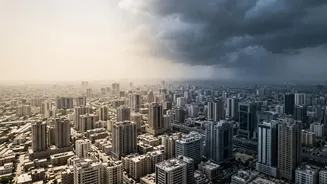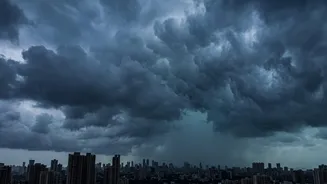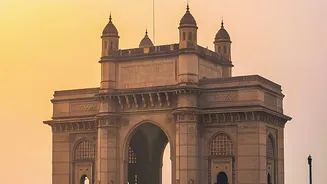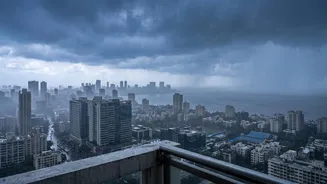





The Weather We Got vs. The Climate We Expect
Let's start with a simple but crucial distinction: weather is what you get, and climate is what you expect. Weather refers to atmospheric conditions over a short period—a rainy afternoon, a humid week, or even a drier-than-usual August. This August has
been notable, with a strong El Niño event contributing to suppressed monsoon rainfall in some parts of India. It’s these short-term variations that we notice and talk about daily. Climate, on the other hand, is the story told over decades. It's the average of all these weather events over 30 years or more. It’s the reason Mumbaikars own umbrellas and expect the monsoon between June and September. A single season's performance, especially one influenced by a global weather pattern like El Niño, doesn't rewrite this long-term expectation; it's just a temporary deviation.
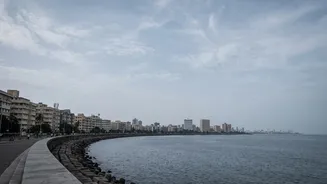
Mumbai's Real Climate Story: Fewer Rainy Days, More Extreme Downpours
When we zoom out from this one August and look at the climate data, a clear and concerning picture emerges for Mumbai. The city's climate is indeed changing, but not in the way one dry month might suggest. Long-term analysis shows that while the total number of rainy days during the monsoon might be decreasing, the intensity of the rainfall is increasing. This means Mumbai is experiencing shorter, more powerful bursts of rain, which overwhelm the city's drainage systems and lead to the frequent, severe flooding that has become a hallmark of recent monsoons. Studies project this trend will continue, with some predicting Mumbai could see its average monsoon rainfall rise by nearly 18% and experience almost an extra week of heavy rainfall days by 2040.
It's Not Just the Rain, It's the Heat
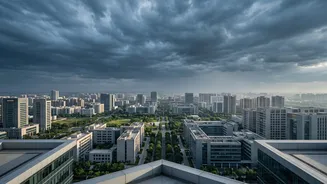
The other critical part of Mumbai's climate story is the rising heat. The city is getting hotter, and not just during the day. Recent research has highlighted a significant increase in nighttime temperatures over the past 25 years, a phenomenon linked to the urban heat island effect, where concrete and buildings trap heat far more than natural landscapes. Some densely populated areas are now more than 5°C warmer at night than their greener surroundings. Projections indicate that summer temperatures could rise by several degrees by 2040, creating significant public health challenges. This persistent, round-the-clock heat stress is a far more reliable indicator of climate change's local impact than a single month's rainfall data.
Planning for the Climate, Not the Weather
Recognising these long-term threats, Mumbai has developed the Mumbai Climate Action Plan (MCAP). This comprehensive strategy is not a reaction to a single season; it is a 30-year roadmap designed to make the city more resilient. The plan aims for net-zero emissions by 2050—two decades ahead of India's national target—and focuses on six critical areas: energy and buildings, sustainable mobility, air quality, urban greening, sustainable waste management, and, crucially, urban flooding and water resource management. Initiatives include electrifying the public bus fleet, increasing green cover, and building flood-resilient infrastructure. The MCAP is an acknowledgment that the city's future depends on addressing the systemic, long-term shifts in its climate, not just reacting to the weather of the day.