



A Healthier Take on Tradition
The primary driver behind the air fryer's adoption in India is the desire for healthier eating without sacrificing flavour. Our culinary landscape is rich with deep-fried delicacies, from monsoon pakoras to festive mathris, which are central to our culture.
The air fryer offers a compelling compromise: the ability to achieve a satisfying crispness with up to 80% less oil. This shift isn't about replacing traditional methods entirely, but about upgrading how everyday snacks are cooked. It caters perfectly to a growing health consciousness, allowing families to enjoy favourites like samosas and tikkis more frequently and with less guilt.
Reimagining Classic Evening Snacks
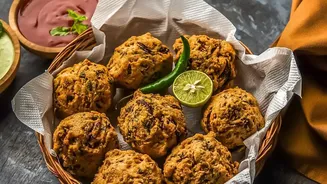
The most popular experiments involve classic teatime snacks. Samosas, whether frozen or freshly made, emerge with a flaky, crisp pastry when brushed with a little oil and air-fried. Aloo tikkis, a street-food staple, develop a crunchy exterior while remaining soft inside; adding breadcrumbs to the potato mix is a popular trick for an extra crispy finish. Even pakoras (or bhajis), which seem impossible without deep-frying, can be adapted. The key is to use a much thicker, stickier batter than usual so it doesn't drip through the basket, forming patties instead of loose fritters. The results are surprisingly close to the original, capturing the essence of the snack without the oiliness.
The Ultimate Tandoori Shortcut
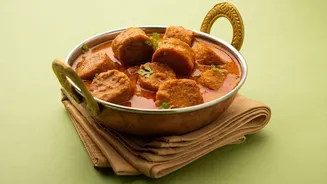
One area where the air fryer truly excels is in mimicking a tandoor. The circulating hot air is perfect for making paneer tikka, chicken tikka, and tandoori gobi. After marinating in spiced yoghurt, cubes of paneer or chicken are cooked at a high temperature for about 10-12 minutes. This method produces a beautiful char on the edges while keeping the inside succulent and juicy, results that are difficult to achieve in a pan. For many users, this ability to replicate tandoori-style cooking at home is one of the appliance's biggest selling points.
Festive Cooking Without the Fuss
Festivals in India are synonymous with elaborate food preparation, often involving large batches of fried sweets and savouries. The air fryer is now being used to lighten these festive platters. Baked gujiyas, a Holi favourite, can be made by air-frying the pastry pockets, ensuring a flaky crust without being submerged in ghee or oil. Savoury crackers like namak pare and mathri also cook well, emerging crunchy and golden. While some argue the taste differs slightly from the deep-fried originals, many appreciate the convenience and reduced oil, especially when preparing food in large quantities for guests.
The Learning Curve: What Works and What Doesn't
Transitioning to an air fryer isn't without its challenges. The most common mistake is overcrowding the basket, which leads to soggy, steamed food instead of crispy results. Recipes often need adjustments; batters must be thicker, and cooking times can vary. Some snacks, particularly those with very wet batters like traditional medu vada, are difficult to adapt as the batter can drip through the grate. However, cooks have found workarounds, like chilling the batter to make it firmer. Success lies in understanding that an air fryer is essentially a small, powerful convection oven, not a magical oil-free fryer. It excels at roasting, baking, and cooking anything with a 'dry' surface.