








More Than Just a Workout
For decades, yoga in the popular imagination was often confined to two extremes: the wizened ascetic in a remote ashram or a flexible fitness enthusiast in a city studio. Today, that binary has collapsed. A profound shift is underway, recasting yoga as an
essential tool for modern living. In urban India, where the pressures of career, traffic, and digital fatigue are constant, yoga is no longer seen as merely a physical exercise. It has become a primary vehicle for mental and emotional well-being. The conversation has moved beyond asanas and weight loss to pranayama for anxiety, meditation for focus, and a holistic philosophy for navigating a complex world. This rising spirit is less about achieving the perfect headstand and more about finding a moment of stillness in the chaos.
The Digital Guru in Your Pocket
The single biggest catalyst for yoga's renewed boom is technology. The guru is no longer confined to a physical location; they are on Instagram, YouTube, and dedicated wellness apps. This digital wave has democratised access to yoga in an unprecedented way. Young Indians in Tier-2 and Tier-3 cities can now follow the same instructors as someone in Mumbai or Delhi. The pandemic acted as a massive accelerator, forcing studios online and normalising the practice of virtual yoga. Platforms like Cult.fit (formerly Cure.fit) and a legion of independent yoga influencers have made the practice accessible, trendy, and community-driven. They offer bite-sized tutorials, 21-day challenges, and live-streamed classes that fit into busy schedules, effectively removing the barriers of time, travel, and intimidation that once kept many people away.
A Push from the Top
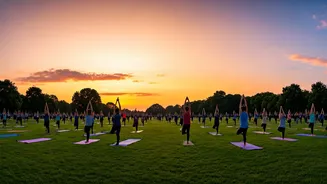
The cultural resurgence has been amplified by a significant institutional push. The establishment of the Ministry of AYUSH (Ayurveda, Yoga & Naturopathy, Unani, Siddha and Homoeopathy) and the government's successful campaign to have the UN declare June 21st as the International Day of Yoga have been pivotal. These initiatives have infused yoga with a renewed sense of national pride and cultural ownership. Mass yoga demonstrations in public squares, a common sight on June 21st, have transformed the practice from a personal pursuit into a community celebration. This high-profile endorsement has helped legitimise yoga in institutional settings, encouraging its integration into schools, government offices, and even military training protocols. It's a clear message: yoga is a vital part of India's cultural heritage and its modern identity.
From Ashrams to Boardrooms
Another clear sign of yoga’s rising spirit is its infiltration into spaces where it was previously absent. The corporate world, in particular, has embraced yoga as a powerful tool for employee wellness. Companies are increasingly offering on-site or virtual yoga sessions to help employees manage stress, improve focus, and prevent burnout. This isn't just a feel-good perk; it's a strategic investment in human capital. Simultaneously, the wellness economy has blossomed. Yoga is now at the heart of a thriving industry that includes luxury wellness retreats, designer yoga wear, organic foods, and a plethora of accessories. While this commercialisation sparks debate about authenticity, it also underscores the practice's mainstream acceptance and economic significance. Yoga is no longer just a philosophy; it’s a lifestyle, a service, and a product.