







Designing for Everyone
An inclusive kitchen is built on the principles of universal design, which aims to create spaces that are usable by everyone, regardless of their age, size, or ability. It’s about more than just convenience; it’s about fostering independence and togetherness.
When a child can safely help prepare a meal, an older parent can cook comfortably while seated, or a family member in a wheelchair can easily access the sink, the kitchen transforms into a truly communal hub. This approach doesn't require a clinical or institutional look; modern accessible features can be beautifully integrated into any design style, future-proofing your home and making it more welcoming for every guest and family member for years to come.
The Magic of Adjustable Height
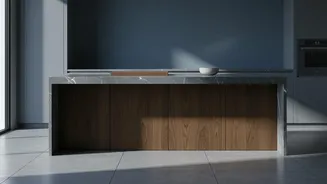
The centerpiece of many modern, inclusive kitchens is the adjustable-height countertop. Using quiet motorized lifts, sections of a counter or an entire kitchen island can be raised or lowered with the touch of a button. This single feature offers incredible flexibility. It can be lowered for children to do their homework or participate in baking, set at an ergonomic height for a tall person to chop vegetables without back strain, or positioned to accommodate a seated user. The ergonomic benefits are significant, promoting better posture and reducing physical strain for everyone. While a full motorized system is a larger investment, a simpler and more common approach is to design a kitchen with varied counter heights from the start, such as a lowered section at the end of an island.
Beyond the Countertop
True accessibility extends into every corner of the kitchen. Upper cabinets, often difficult to reach, can be fitted with pull-down shelving systems that bring contents down to a manageable level. For lower cabinets, deep drawers and pull-out shelves are a game-changer, eliminating the need to kneel and search in dark corners for a specific pot or pan. Appliance placement is also key. Wall-mounted ovens with side-hinged or French doors allow users to get closer without reaching over a hot pull-down door. Microwave drawers installed below the counter are safer and more accessible than over-the-range models. Even small details like lever-style handles on doors and faucets, which are easier to operate than knobs for those with limited grip strength, contribute to a more user-friendly environment.
Smarter Solutions for Any Budget
Creating a more inclusive kitchen doesn't always demand a full-scale renovation. There are many smaller, impactful changes that can improve functionality. A sturdy, movable kitchen island or cart can serve as a flexible, lower-height prep space that can be rolled away when not in use. Storing frequently used dishes, glasses, and kids' snacks in lower, easy-to-reach drawers or cabinets can empower family members to be more self-sufficient. You can also improve visibility and safety with good task lighting under cabinets to eliminate shadows on work surfaces. Simple additions like touchless faucets can make washing hands and rinsing vegetables easier for everyone, from messy kids to adults with their hands full.