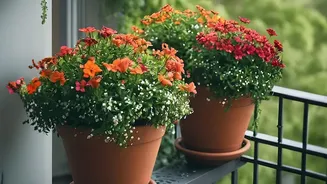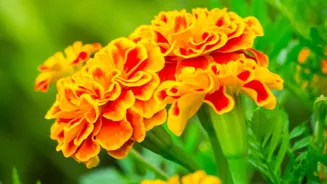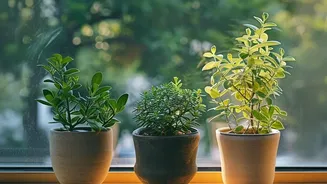




As Indian autumn arrives, bringing with it a festive air, what could be better than having vibrant, auspicious blooms right on your windowsill? Growing chrysanthemums and marigolds is easier than you think and perfect for the season.
The Stars of the Season
Marigolds (Genda)
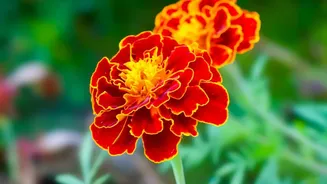
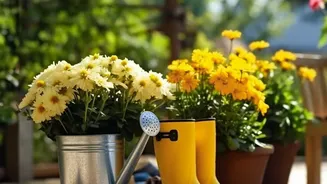
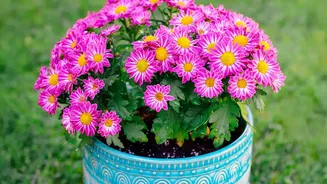
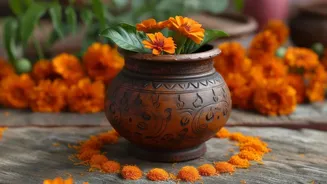
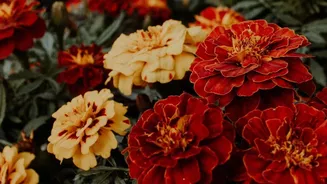
and Chrysanthemums (Guldaudi) are not just flowers in India; they are a part of our cultural fabric. Their vibrant yellows and oranges symbolise the sun, positivity, and prosperity, making them essential for festivals like Dussehra and Diwali. Marigolds are offered in temples and strung into garlands that adorn doorways, believed to welcome good fortune and ward off negative energy. Chrysanthemums, known as the 'Autumn Queen', are cherished for their stunning variety and long-lasting blooms that brighten up the cooler months. Bringing these flowers into your home by growing them on a windowsill connects you directly to this festive tradition, filling your space with colour and positive energy.
Choosing the Right Pots and Plants
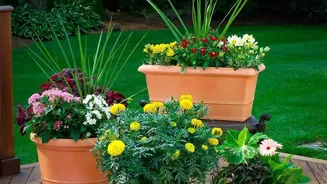
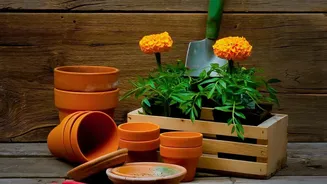
Success begins with the right container. Both marigolds and chrysanthemums need excellent drainage to prevent root rot. Choose pots that are at least 8-10 inches in diameter to give the roots enough space to grow. Ensure every pot has at least one drainage hole at the bottom. You can start with seeds sown directly into the pots or, for a quicker result, purchase healthy starter plants from a local nursery. If buying plants, look for ones with plenty of closed buds rather than fully open flowers, as this will give you a longer blooming period to enjoy.
The Perfect Soil Foundation
These flowers are not overly fussy, but they thrive in soil that is both fertile and well-draining. Using heavy, compacted garden soil is a common mistake for pots as it holds too much water. A high-quality commercial potting mix is an excellent choice. Alternatively, you can create your own ideal mix by combining garden soil, organic compost (like vermicompost or well-rotted cow dung), and a material that improves drainage, such as coco peat or perlite. A good recipe is approximately 40% garden soil, 30% compost, and 30% coco peat or perlite. This ensures the soil retains enough moisture while letting excess water drain away freely.
Sunlight: The Key to Abundant Blooms
Both chrysanthemums and marigolds are sun-loving plants. To produce a bounty of vibrant flowers, they need at least five to six hours of direct sunlight every day. A south- or west-facing windowsill is the ideal location in your home. While the plants might survive in less light, they will likely become 'leggy' (tall and thin) and produce far fewer flowers. The gentle morning sun is particularly beneficial, as it encourages strong, compact growth and richer colours in the blooms. Rotate your pots every week or so to ensure all sides of the plant get even sun exposure.
Watering and Feeding for Healthy Growth
Watering correctly is crucial for potted plants. The goal is to keep the soil consistently moist but never waterlogged. A good rule is to water when the top inch of the soil feels dry to the touch. Water thoroughly until you see it running out of the drainage hole, then allow the pot to drain completely. Always water at the base of the plant, avoiding the leaves and flowers, to help prevent fungal diseases. Since nutrients are flushed out of pots with each watering, you'll need to feed your plants. Start feeding with a balanced liquid fertiliser at half-strength every two weeks once the plants are established. Stop fertilising once the flower buds form to let the plant focus its energy on blooming.
Pinching for Fuller, Bushier Plants
To get those beautiful, dense, flower-covered plants you see at nurseries, a simple technique called 'pinching' is the secret. Pinching encourages the plant to branch out, creating a bushier shape with more stems, which means more flowers. When your young chrysanthemum plant is about 6 inches tall, simply use your fingers or a small pair of shears to remove the top 1-2 inches of the main stem. This forces the plant to grow two new stems from that point. You can repeat this process on the new side shoots every few weeks until about mid-summer. This same technique can be used on marigolds to make them fuller. Removing spent or dead flowers, a practice called deadheading, will also encourage the plants to produce more blooms.
Watching for Common Pests
Growing plants indoors on a windowsill reduces many pest problems, but it's still wise to be vigilant. The most common culprits are tiny sap-sucking insects like aphids, spider mites, and whiteflies. Regularly inspect your plants, paying close attention to the undersides of leaves and new growth. If you spot a small infestation, you can often handle it by simply washing the pests off with a spray of water. For more persistent issues, a natural remedy like neem oil spray can be very effective. Good air circulation around your pots will also help keep pests and fungal issues like powdery mildew at bay.