



The Global Race for Indian Tourists
Why the sudden hospitality? The answer lies in simple economics. As nations around the globe work to rebuild their tourism sectors, they've identified India as one of the world's fastest-growing outbound travel markets. Indian travellers are not only
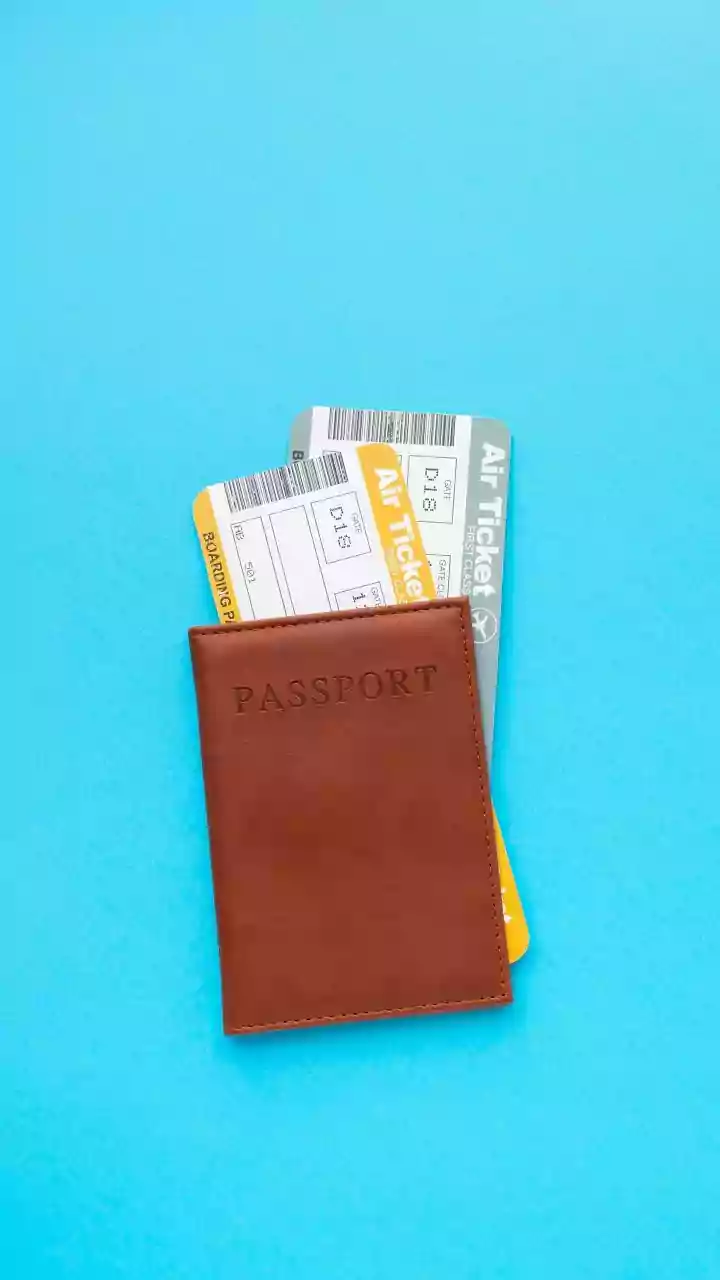
numerous but are also spending more, making them a highly coveted demographic. Countries are realizing that one of the biggest hurdles to travel is a complicated, expensive, and time-consuming visa process. By removing this barrier, they can immediately appeal to millions of potential visitors looking for easier, more affordable getaways. This has sparked a trend of visa liberalisation, particularly in Asia, with countries competing to offer the most convenient entry policies. The result is a win-win: tourist-dependent economies get a much-needed boost, and Indian passport holders find their travel options expanding like never before.
Southeast Asia Opens its Doors
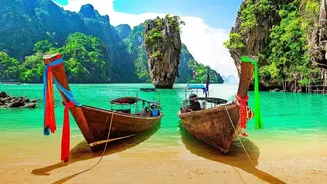
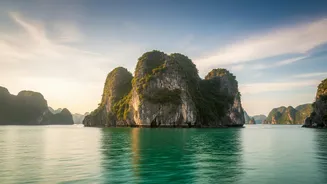
Southeast Asia has been at the forefront of this movement. Malaysia, a long-time favourite, has extended its visa-free policy for Indians until the end of 2026, allowing a 30-day stay without a visa. This move is designed to sustain the momentum of Indian arrivals, which are crucial for its tourism industry. Similarly, Thailand has confirmed that it will continue its visa-free entry for Indians. After some confusion over changing rules, the Thai government clarified that Indian tourists can enter for up to 30 days without a visa, a policy that better reflects the typical holiday duration for visitors from India. These policies make destinations like Kuala Lumpur, Penang, and the Thai beaches incredibly accessible for spontaneous trips.
Island Neighbours Beckon
Closer to home, Sri Lanka has also made travel significantly easier. The island nation has waived all visa and Electronic Travel Authorization (ETA) fees for Indian tourists, offering a free 30-day stay. While travellers still need to obtain a free ETA online before their trip, the removal of fees makes it a highly attractive option for a quick getaway. This policy was confirmed in early 2026 as part of Sri Lanka's push to welcome more tourists, especially with major events being hosted in the country. The Maldives, another popular island destination, has long offered a free visa-on-arrival for Indian tourists, cementing its status as a go-to for hassle-free luxury and leisure travel.
Beyond Asia: Africa and the Caribbean
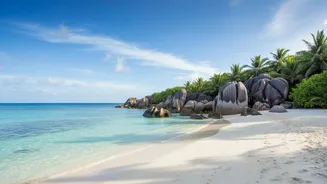
The trend extends beyond Asia. Kenya made a bold move by announcing that visitors from any country, including India, no longer need a traditional visa. Instead, travellers are required to obtain an Electronic Travel Authorization (eTA) online before their journey. This simplifies entry for those looking to experience Kenya's famous safaris and natural beauty. In addition to these recent changes, a number of other countries in Africa and the Caribbean have standing visa-free agreements for Indian passport holders. Destinations like Mauritius, Seychelles, Jamaica, and Barbados allow for stays ranging from 30 to 90 days with just a valid passport, proof of accommodation, and a return ticket, opening up a world of possibilities for beach holidays and cultural exploration.
What This Means for You
The practical benefits of these simplified visa rules are significant. The most obvious is the cost saving, with visa application fees often running into several thousand rupees per person. The elimination of paperwork and embassy appointments also saves valuable time, making last-minute and spontaneous trips feasible. For families, the reduced administrative burden is a major relief. Instead of navigating complex forms for multiple people, you can focus on planning your itinerary. This newfound ease and affordability are fundamentally changing how Indians approach international travel, empowering them to explore more of the world with greater freedom and flexibility. However, it is always recommended to check the latest official immigration requirements before booking a trip, as policies can change.