





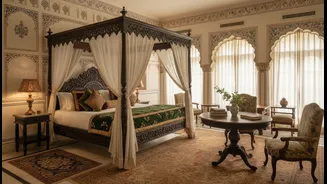

Authenticity of the Restoration
The term 'heritage' is used broadly, so it's crucial to distinguish between a genuinely restored property and a new building designed to look old. Look for signs of true preservation. An authentic property will have maintained its original structure,
such as courtyards, arches, and stonework. Check photos and descriptions for mentions of original materials and craftsmanship. Many lovingly restored havelis are still managed by the descendants of the original owners, adding a layer of personal history to your stay. A property that focuses on its story and architectural integrity is more likely to offer a genuine experience than one that simply uses heritage as a theme.
The Reality of Modern Amenities
While you’re there for the old-world charm, you still need 21st-century comforts. Plumbing and hot water can be notoriously erratic in older buildings. Check recent guest reviews specifically for mentions of bathroom quality, water pressure, and the reliability of hot water. Wi-Fi is another critical point; heritage properties with thick stone walls can have patchy connectivity, so if staying connected is a priority, verify the Wi-Fi situation. Also confirm the presence and effectiveness of air conditioning or heating, as extreme weather can make a stay uncomfortable without proper climate control.
Location and Accessibility
Many stunning heritage properties are located in remote areas, which can be part of their appeal but also a logistical challenge. Before booking, check the property's exact location on a map. How far is it from the main sights you want to visit? Consider the condition of access roads, especially if you’re driving. Some properties, particularly forts on hilltops or havelis in dense old cities, may not have direct car access, requiring a walk with your luggage. Understanding the accessibility ensures you aren't met with surprises upon arrival.
Reading Between the Lines of Guest Reviews
Guest reviews are an invaluable resource, but they require careful reading. Don't just look at the overall rating; delve into the details of recent reviews. Look for patterns in comments. Are multiple guests mentioning the same issue, like service quality or cleanliness? Reviews can reveal whether the hospitality is warm and personal or impersonal and disorganized. They can also provide insight into the 'quirks' of the property—charming eccentricities to some, but potential deal-breakers to others.
Understanding the 'Experience' Offered
A great heritage stay offers more than just a beautiful room; it provides cultural immersion. Check if the hotel offers experiences rooted in local tradition, such as regional cuisine made from family recipes, live folk music performances, or workshops with local artisans. Many heritage properties are hubs of cultural activity. The type of experience varies widely, from the opulent luxury of a grand palace hotel to the intimate, character-filled stay of a smaller haveli. Knowing what kind of experience you're looking for will help you choose the right property.
Booking and Communication
While online travel portals are convenient for browsing, consider booking directly through the hotel's own website. Many properties offer better rates or special packages for direct bookings. Booking direct can also lead to better service and perks, such as potential upgrades or more flexibility. Before finalizing, you might want to call or email the property with any specific questions. Their responsiveness and professionalism during this interaction can be a good indicator of the service you'll receive during your stay.