
The Layering System: Your Core Strategy
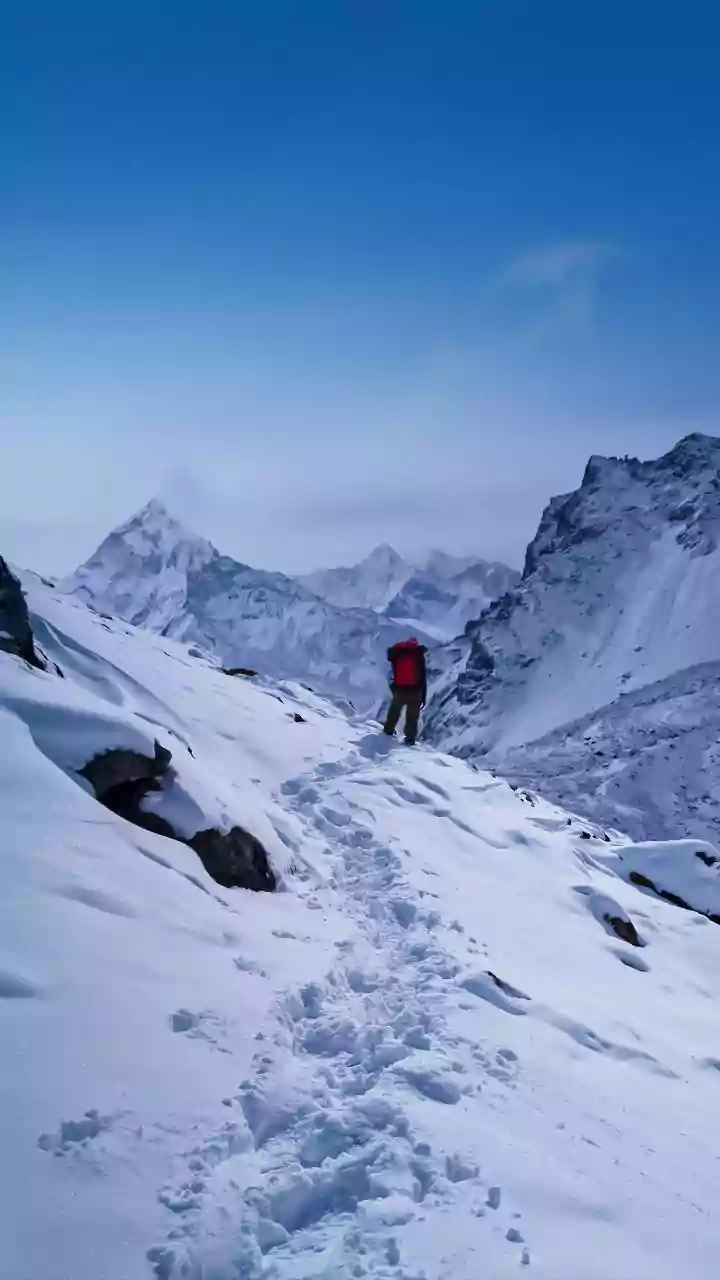
The secret to comfort in the Himalayas isn't one big, heavy jacket; it's a flexible layering system. Weather can swing dramatically from a warm, sunny morning to a frigid, windy afternoon, especially as you gain altitude. A three-part system allows you to adapt.
Start with a moisture-wicking base layer, like a merino wool or synthetic top, that pulls sweat away from your skin. Add an insulating mid-layer, such as a fleece or a light puffy jacket, to trap body heat. Finally, a waterproof and windproof outer shell jacket protects you from the elements. This allows you to add or remove pieces as your body temperature and the weather change throughout the day.
Essential Clothing: Beyond the Basics
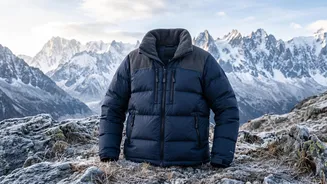
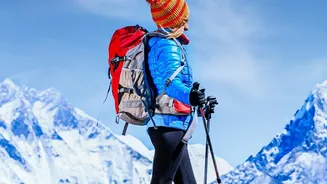
Beyond your core layers, several clothing items are non-negotiable. You'll need at least two pairs of quick-dry trekking trousers. For high-altitude routes, a proper down jacket is crucial for the cold evenings and mornings when temperatures can plummet below freezing. Don't forget headwear: a wide-brimmed sun hat for the day, and a warm beanie or woolen hat for the cold. A neck gaiter or buff is incredibly versatile for protection against sun, wind, and dust. Finally, pack both lightweight liner gloves and a warmer, insulated pair. Layering your gloves provides better flexibility than a single heavy pair.
Footwear: Your Most Important Gear
Your feet carry you through the entire journey, so investing in proper footwear is critical. Your primary need is a pair of sturdy, waterproof trekking boots with good ankle support. The most important rule is to break them in thoroughly before your trip to prevent painful blisters. Pack three to four pairs of quality wool or synthetic trekking socks; avoid cotton, which retains moisture and can lead to blisters. For evenings at the teahouse or lodge, a pair of comfortable sandals or camp shoes is a relief for tired feet and a must-have item.
Packs and Poles: Carrying Your World
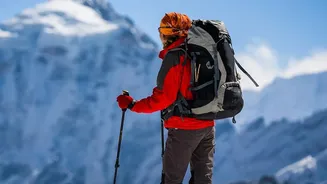
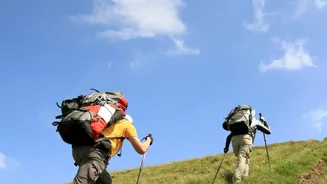
You will generally need two bags. A large duffel bag (around 70-90 litres) will be carried by your porter, while you'll carry a daypack (25-35 litres). Your daypack should contain everything you need for the day's walk: water, snacks, your camera, a warm layer, and a rain jacket. Ensure it has a comfortable hip belt to distribute weight effectively. Using waterproof dry bags or liners inside your main duffel is highly recommended to protect your gear from any unexpected moisture. Trekking poles are also strongly advised. They significantly reduce the strain on your knees during long descents and provide stability on uneven or slippery terrain.
Health, Hygiene, and Safety
A well-stocked personal first-aid kit is essential. Include basics like plasters, antiseptic wipes, pain relievers, and blister treatment. Many trekkers also carry medication for altitude sickness, like Diamox, after consulting with their doctor. Sun protection is vital at high altitudes, so bring high-SPF sunscreen and lip balm. For hydration, carry at least two water bottles or a hydration bladder, along with a reliable water purification method like tablets or a filter bottle. A headlamp with extra batteries is a must-have for navigating in the early morning or around the lodge at night.
Documents and Miscellaneous Items
Keep your passport, visa, flight tickets, and travel insurance documents in a waterproof bag and always in your daypack. It's also wise to have colour copies of your passport. While trekking, you'll need cash (Nepali Rupees) for snacks, drinks, and tips, as ATMs are not available on the trail. A power bank is crucial for keeping your phone and camera charged, as electricity can be unreliable or costly in lodges. Finally, a lightweight travel towel and some of your favourite high-energy snacks from home can be small comforts that make a big difference on a long trek.