
What Exactly Is a Meal Template?
Think of a recipe as a strict set of instructions: you need exactly half a teaspoon of a specific spice and one particular vegetable. A meal template, on the other hand, is a flexible formula. It’s a basic framework that guides your meal without locking
you into specifics. Instead of a rigid recipe for chicken stir-fry, a template might look like this: Protein + Assorted Vegetables + Aromatics + Sauce + Starch. This approach, sometimes called “no-recipe cooking,” empowers you to use what you have on hand, adapt to your tastes, and build confidence in the kitchen. It’s about understanding the components of a good dish rather than just following steps.
The Freedom of the Formula
Adopting a template-based approach to cooking offers numerous benefits. It drastically reduces the mental load of meal planning; instead of finding seven distinct recipes for the week, you just need a few formulas. This method also helps reduce food waste, as you can easily swap ingredients based on what’s in your fridge. If the template calls for broccoli but you have green beans, the meal still works. This flexibility encourages creativity and helps you become a more intuitive cook. Over time, you start to learn which flavour combinations you enjoy, moving away from a reliance on written instructions and towards a more personal style of cooking. This not only saves time but also makes cooking feel less like a task and more like a creative outlet.
Your First Template: The Grain Bowl
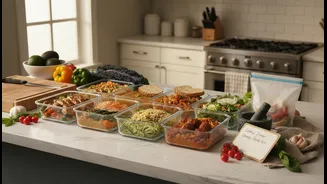
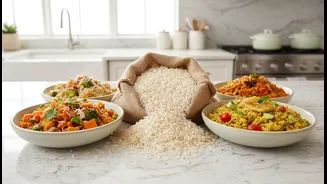
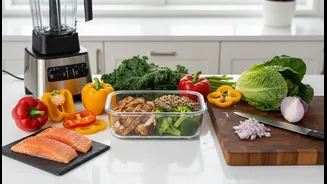
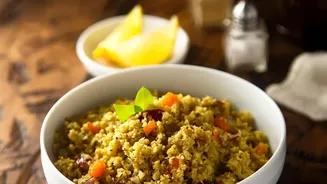
The grain bowl is a perfect entry point into template cooking. It’s simple, endlessly customisable, and always satisfying. Here’s the basic formula to get you started: 1. The Base: Start with a cooked grain. This could be anything from quinoa or brown rice to farro or couscous. 2. The Protein: Add a source of protein. Options include grilled chicken, chickpeas, baked tofu, a hard-boiled egg, or salmon. 3. The Vegetables: Load it up with vegetables. Use what you have: roasted broccoli or sweet potatoes, fresh cherry tomatoes, sliced cucumbers, or leafy greens. 4. The Sauce: A good sauce ties everything together. This can be as simple as a vinaigrette, a drizzle of tahini, or a scoop of pesto. 5. The Topper: Add a final touch for texture and flavour. Think toasted nuts, pumpkin seeds, fresh herbs, or a sprinkle of feta cheese. Once you master this formula, you can create dozens of different grain bowls without ever looking at a recipe.
Expanding Your Template Toolkit
The template concept can be applied to almost any type of meal. By identifying the core components of your favourite dishes, you can create your own flexible formulas. For example, a stir-fry template involves aromatics (like garlic and ginger), a protein, a mix of hearty and quick-cooking vegetables, and a sauce. A pasta night template could be Pasta Shape + Sauce Base + Protein/Vegetable + Garnish. Even something as simple as a sheet-pan dinner follows a template: chop a protein and some vegetables, toss with oil and seasonings, and roast until done. Other popular templates include themed nights for tacos, soups, pizzas, and hearty salads. By thinking in these terms, you build a versatile cooking skillset rather than just a collection of recipes.