


What the 9% Growth Tells Us
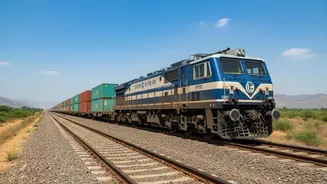
On the surface, the numbers are encouraging. In July 2026, the national transporter moved 141.3 million tonnes of goods, a significant jump from the 129.7 million tonnes handled in the same month last year. This wasn't just a random spike; it was driven
by sustained demand from core sectors of the economy. Key commodities saw healthy double-digit growth, with iron ore loading up by 22.2%, fertilisers by 12%, and both coal and food grains by 11.5%. This indicates that industries crucial to manufacturing, agriculture, and energy security are increasingly relying on rail to move their goods. The increased volume also boosted earnings, with freight revenue growing by 8% for the month. This performance underscores rail's vital role as the backbone of India's industrial supply chain.
The Capacity Conundrum
However, this growth is not happening in a vacuum. It's occurring on a network that is already under severe pressure. According to a member of the Railway Board, many key routes are operating at 150% to 180% of their designed capacity. This congestion is the single biggest challenge facing Indian Railways. For decades, the same tracks have had to accommodate both a rising number of passenger trains and essential freight traffic. When passenger trains are given priority, freight trains are often slowed down or held at sidings, creating logistical uncertainty for businesses. The concurrent rise in both passenger and freight traffic in July highlights this operational balancing act. While the growth is positive, it intensifies the pressure on an already overloaded system, raising questions about sustainability.
The DFCs: A High-Capacity Solution
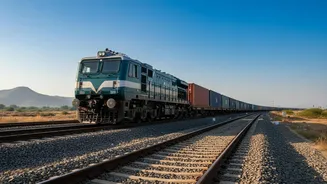
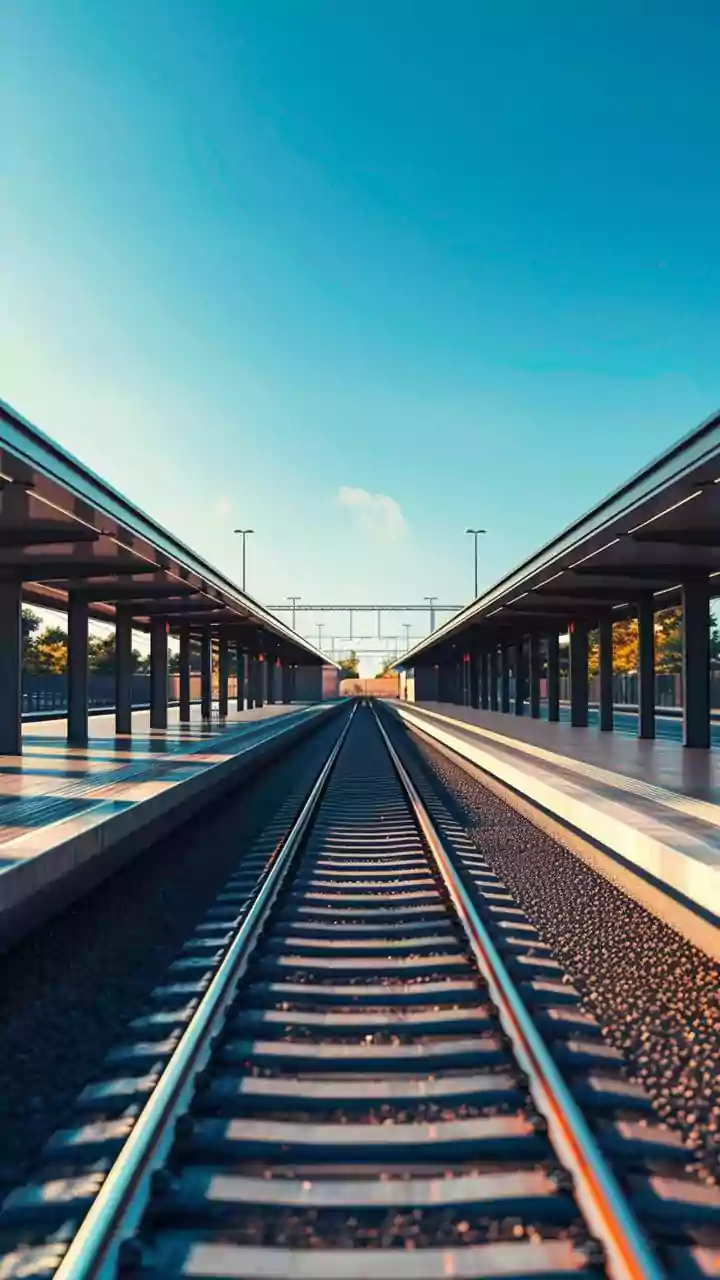
The primary answer to this capacity crunch is the development of Dedicated Freight Corridors (DFCs). These are high-speed, high-capacity railway lines built exclusively for transporting goods. By separating freight from passenger traffic, DFCs allow goods trains to run faster, longer, and more reliably. The Eastern and Western DFCs are already having a transformative impact. In July 2026, the DFC network recorded its highest-ever monthly freight performance, demonstrating its growing ability to handle heavier loads and reduce transit times. Though the DFCs currently represent a small fraction of the total rail network, they are handling a disproportionately large and growing share of freight traffic, proving their effectiveness in decongesting the main lines.
Future Bottlenecks and the Road Ahead
While the DFCs are a game-changer, they are not a silver bullet. The challenge is shifting from trunk-line capacity to issues of first- and last-mile connectivity. Seamlessly connecting the DFCs to ports, industrial parks, and manufacturing hubs is the next critical step. Furthermore, the success of the initial corridors has created demand for more. The government has already announced plans for an East-West DFC and is considering others to form a comprehensive national network. To truly boost rail's share of national freight from its current level of around 27% to the target of 45%, massive investment in infrastructure must continue. This includes not only building new lines but also modernizing signalling systems and improving wagon turnaround times across the entire network to eliminate bottlenecks.