





India's Favourite Winter Citrus
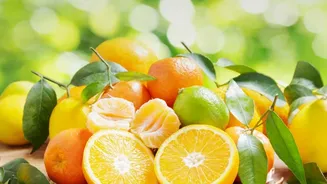
Indian winters are almost incomplete without the bright, tangy presence of oranges. From November through April, these fruits become a household staple, enjoyed as a simple snack, a fresh juice, or an ingredient in various dishes. The cooler temperatures
of the season help the fruit ripen slowly, which often results in juicier and more flavourful produce. While many types of oranges are grown across the country, they broadly fall into two categories: mandarins, which are loose-skinned and easy to peel, and sweet oranges, which have tighter peels and are often preferred for juicing.
A Guide to Popular Indian Varieties
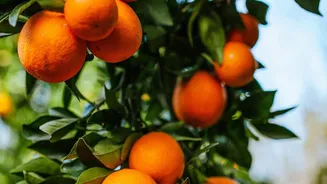
India's diverse climate zones produce several distinct and beloved orange varieties. The Nagpur Santra, grown in Maharashtra's Vidarbha region, is perhaps the most famous and carries a Geographical Indication (GI) tag for its unique taste. It is prized for its easy-to-peel skin and sweet-tangy flavour. Another major player is the Kinnow, a mandarin hybrid primarily cultivated in Punjab and Haryana. Known for its high juice content, the Kinnow is a favourite for freshly squeezed juice vendors across North India. Down south, the Coorg Mandarin from Karnataka offers a delightful aroma and is often used in jams and marmalades. In the northeast, the Khasi Mandarin is a prominent local variety, while the rare Khasi Blood Orange is noted for its deep red flesh and sweet flavour.
A Powerhouse of Nutrition
Oranges are celebrated not just for their taste but also for their dense nutritional profile. They are famously rich in Vitamin C, a powerful antioxidant that protects cells from damage and supports the immune system, which is especially important during the colder months. A single medium-sized orange can provide more than 100% of the recommended daily intake of Vitamin C. The fruit is also a good source of dietary fibre, which aids digestion and helps maintain healthy cholesterol levels. Additionally, oranges contain other vital nutrients like potassium, which helps regulate blood pressure, and folate, a B vitamin crucial for cell growth. The presence of compounds like flavonoids contributes anti-inflammatory benefits.
How to Select and Store Oranges
Choosing the best oranges at the market can make all the difference. Look for fruits that feel firm and heavy for their size, as this indicates they are full of juice. The skin should be smooth and brightly coloured, without soft spots or blemishes. Don't be solely guided by colour; some varieties may have hints of green on the peel but still be ripe and sweet. For storage, oranges can be kept at room temperature for about a week. To extend their freshness for up to three or four weeks, store them in the crisper drawer of your refrigerator. Avoid sealing them in a plastic bag, as this can trap moisture and encourage mould; a mesh bag that allows for air circulation is ideal.
Beyond the Juice Glass
While fresh juice is a popular way to enjoy oranges, their use extends far beyond that. The zest, or outer peel, can be grated to add a fragrant citrus note to cakes, salads, and marinades. Segments can be tossed into winter salads for a burst of freshness. In a more traditional approach, some regional Indian cuisines even use the peel to make flavourful chutneys, pickles, or a tangy relish known as 'gojju'. These preparations balance the slight bitterness of the peel with sweet, sour, and spicy notes, creating a complex and delicious accompaniment to meals. Even the peel itself is packed with nutrients, containing more Vitamin C by weight than the flesh.
Other Stars of the Winter Fruit Basket
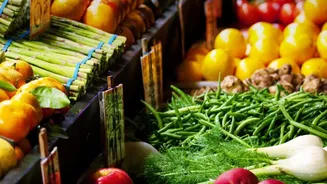
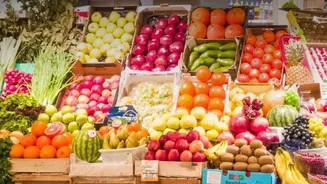
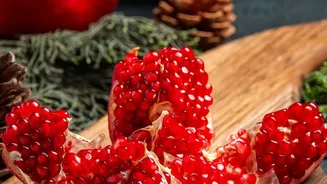
While oranges are a highlight, Indian winters offer a wonderful bounty of other seasonal fruits. Guava, often enjoyed with a sprinkle of salt and chilli, is another excellent source of Vitamin C. Pomegranates, with their jewel-like seeds, are packed with antioxidants. Apples from the Himalayan states, sweet custard apples (Sitaphal), and juicy grapes also reach their peak during this season, providing a wide variety of flavours and nutrients to enjoy throughout the colder months.