






Wayanad’s Monsoon Blessing
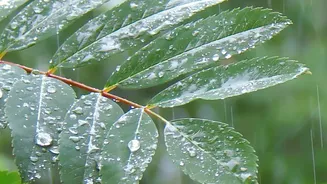
Wayanad, a jewel in Kerala’s crown, receives an impressive average annual rainfall, with some areas getting over 2,300 mm. This immense volume of water, while essential for the region's rich biodiversity and agriculture, presents a unique challenge and opportunity.
Instead of letting this precious resource run off, a growing number of sustainable resorts have embraced an age-old solution, updated for modern hospitality: rainwater harvesting. These forward-thinking establishments see the monsoon not as a problem to be managed, but as the cornerstone of their commitment to environmental stewardship and a core element of their unique identity. By capturing the rain, they reduce their reliance on groundwater and municipal sources, ensuring their operations are in greater harmony with the delicate local ecosystem.
From Rooftops to Reservoirs
The process begins with a simple yet effective principle: collecting rainwater from large surface areas. The sprawling rooftops of villas, restaurants, and staff quarters become the primary collection points. From there, a network of pipes and channels directs the water flow, preventing runoff and soil erosion. Resorts like Banasura Hill Resort, famed for its rammed-earth architecture, and Vythiri Resort, nestled deep in the rainforest, have integrated these systems seamlessly into their designs. The collected water is then guided into specially constructed storage systems. These can range from large, visible tanks to vast, underground reservoirs and even artificial ponds lined with durable materials, ensuring a substantial supply of water is secured for the drier months.
Natural Filtration for Purity
Harvested rainwater isn't immediately ready for all uses, especially for guest consumption. To ensure safety and quality, resorts employ multi-stage filtration processes. Many use natural methods that mimic the earth’s own purification system. The water is often passed through layers of sand, gravel, and charcoal to remove sediment and impurities. Some establishments, such as Tranquil Resort, take it a step further by combining boiling with UV and ceramic filtration to guarantee the water is perfectly safe for drinking. This commitment to purity means that guests can enjoy fresh, clean water with the knowledge that it has been sourced and treated with the utmost care, right on the property.
More Than Just Drinking Water
The applications for harvested rainwater extend far beyond the tap. This sustainable water source is used across resort operations to significantly reduce their ecological footprint. It tops up serene swimming pools, supplies the laundry, and is used for cleaning and maintenance. A major use is in horticulture; the water irrigates the lush organic gardens and spice plantations that many of these resorts cultivate. This practice not only conserves water but also supports their farm-to-table dining concepts, where fresh produce is grown on-site. By using harvested rainwater for these operational needs, resorts demonstrate a holistic approach to sustainability, where every drop is valued and put to good use.
An Elevated Guest Experience
For guests, these sustainable practices translate into a richer, more meaningful travel experience. Staying at a resort that harvests rainwater is an implicit lesson in responsible tourism. Many properties, like Wayanad Wild and After The Rains, actively educate their guests about their eco-initiatives, offering guided walks and tours that showcase their conservation efforts. This provides a deeper connection to the destination, transforming a simple holiday into an immersive ecological journey. Knowing that the water in their shower or the lushness of the surrounding gardens is a direct result of a conscious environmental choice enhances the sense of luxury. It’s a quiet reminder that their stay supports a positive impact, allowing them to relax and rejuvenate while being part of a sustainable cycle.