







The Siren Song of a Cashless Trip
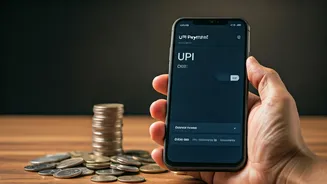
In an increasingly digital world, the idea of a wallet-free vacation is highly appealing. With India's own Unified Payments Interface (UPI) now available in several countries like France, the UAE, and Singapore, the convenience is undeniable. Add to that
the familiarity of using credit and debit cards, and it's easy to see why many travellers might consider leaving cash behind. The logic seems sound: it’s safer than carrying wads of currency, and it feels modern and efficient. However, this digital-only approach overlooks a landscape of hidden fees, technological gaps, and cultural differences that can turn a dream trip into a series of financial frustrations.
The Hidden Costs of Digital-Only Travel
Relying solely on your Indian cards abroad can be an expensive affair. Most Indian credit and debit cards come with a foreign transaction fee, typically ranging from 1.5% to 3.5% plus GST on every single purchase. These small percentages add up significantly over a two-week holiday. Another common pitfall is Dynamic Currency Conversion (DCC), where a foreign merchant offers to charge you in Indian Rupees. While it seems helpful, the exchange rates used are often highly unfavorable, costing you much more than if you had paid in the local currency. Furthermore, withdrawing cash from an ATM using a credit card is financially punishing, attracting a cash advance fee, a high interest rate from the day of withdrawal, and the foreign transaction fee on top of it. A single cash withdrawal can end up costing you 6-8% in extra charges.
When Technology Fails You
Beyond the fees, a digital-only strategy is a bet on flawless technology, which is never a guarantee. Card machines can malfunction, payment networks can go down, and your bank’s fraud detection system might mistakenly block your card, leaving you stranded. Moreover, not all destinations are as digitally advanced as we might assume. While countries like Sweden are nearly cashless, many popular tourist destinations for Indians, such as Thailand, Egypt, and even parts of Italy and Greece, still rely heavily on cash for smaller transactions like taxis, street food, local markets, and tips. Even in a tech-savvy nation like Japan, which has rapidly adopted cashless payments, carrying some cash is still recommended for rural inns, smaller restaurants, and many vending machines. Relying only on a card can mean missing out on these authentic local experiences.
The Smart Traveller’s Hybrid Wallet
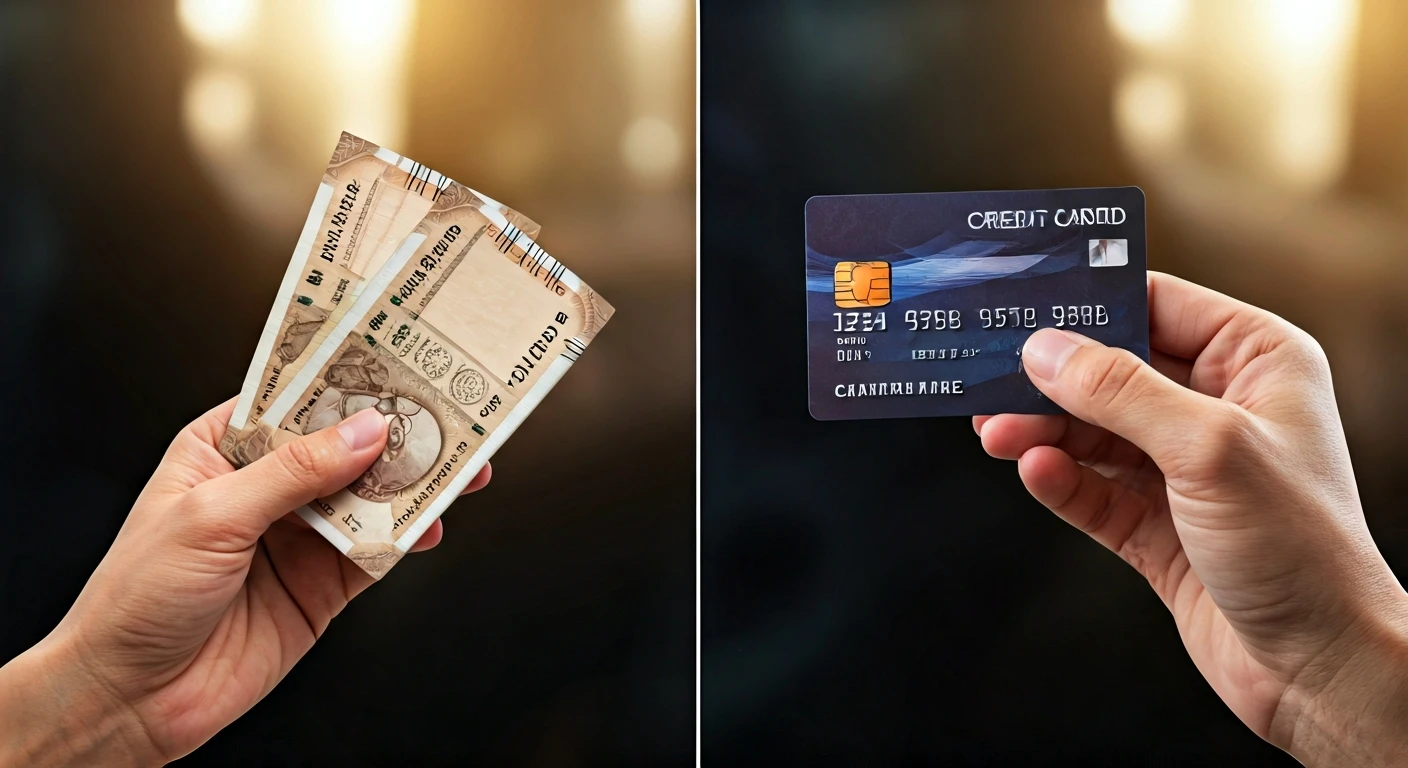
The most effective strategy is not to choose between cash and digital, but to build a hybrid wallet that gives you flexibility and control over your spending. The ideal mix includes a Forex card, a small amount of foreign currency in cash, and your credit card as a backup. A Forex card is a prepaid card that you load with foreign currency before you travel, locking in the exchange rate. This protects you from currency fluctuations and helps you budget effectively. They generally have much lower fees for ATM withdrawals compared to credit cards, making them the best tool for getting cash when needed. As per RBI guidelines, you can carry up to USD 3,000 in cash, which is more than enough for immediate expenses upon arrival and for use at places that don’t accept cards. Your credit card, especially one with low or zero foreign markup fees, should be reserved for large, planned purchases like hotel bills or car rentals where you can also benefit from reward points and insurance.
Your Pre-Travel Financial Checklist
Before you zip up your bags, run through this financial checklist to ensure a smooth journey: 1. Inform Your Banks: Let your bank and credit card issuers know your travel dates and destinations to prevent them from flagging your overseas transactions as fraudulent. 2. Get a Forex Card: Purchase a multi-currency Forex card and load it with the primary currency of your destination. Compare issuance fees and exchange rates offered by different providers. 3. Carry Some Cash: Exchange a modest amount of money into the local currency before you leave. While airport counters are convenient, they offer poor rates; use a bank or an authorized dealer instead. 4. Understand Your Cards: Check the foreign transaction fees on all your credit and debit cards. Prioritize using the one with the lowest fees. 5. Know the Limits: Be aware of the cash carrying limits and customs declaration rules for your destination. 6. Have Backups: Don't rely on a single card. Carry at least two different payment options and store them separately in case one is lost or stolen.