


Why 'Wet Feet' Are a Problem
Plants absorb water through their roots, but they also need to breathe. Roots require oxygen to function, and when soil is constantly waterlogged, there are no air pockets left. This effectively suffocates the roots, causing them to stop working and begin
to decay. This condition is known as root rot, a fungal or bacterial issue that thrives in wet, low-oxygen environments. Telltale signs above ground often mimic those of an under-watered plant: wilting leaves even when the soil is damp, and yellowing foliage. You might also notice a musty or foul smell coming from the pot, a clear signal that decay is happening below the surface.
Culprit 1: The Pot Itself
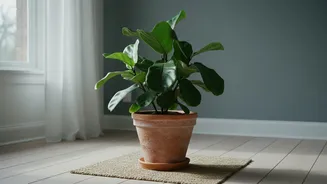
The most frequent cause of perpetually damp soil is the container. Many decorative pots are sold without drainage holes, which is a non-negotiable feature for almost every houseplant. Without holes, excess water has nowhere to go, pooling at the bottom and creating a swampy environment for the roots. Even pots with a single, small hole can become problematic, as it can easily get clogged. The best practice is to keep your plant in a functional plastic nursery pot with multiple drainage holes, and place that inside your decorative pot (often called a cachepot). After watering, always check that the plant isn't sitting in a saucer full of runoff water, as the soil can wick this moisture back up, keeping the root zone saturated.
Culprit 2: The Potting Mix
Not all soil is created equal. Heavy, dense potting mixes, especially those high in peat moss, can retain too much moisture for too long. If water takes a long time to soak in or the soil feels heavy and compacted when wet, it likely lacks proper aeration. A good potting mix for most indoor plants should be light and fluffy to allow for both water retention and drainage. You can significantly improve a dense mix by amending it with materials that create air pockets. Adding components like perlite, pumice, or orchid bark will increase drainage and help the soil dry out more evenly between waterings.
Culprit 3: A Pot That's Too Big
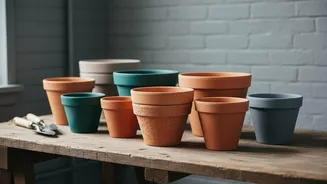
It can be tempting to give a plant plenty of room to grow by placing it in a large pot, but this often backfires. When a plant is 'overpotted' in a container that is too large for its root system, the sheer volume of surrounding soil holds onto moisture that the roots can't absorb quickly enough. This unused, damp soil becomes a breeding ground for root rot. A general rule of thumb when repotting is to only go up one size, choosing a new pot that is roughly 2-4 inches wider in diameter than the current one. This provides enough space for new growth without overwhelming the plant with excess soil and moisture.
The Rescue Mission: Fixing the Problem
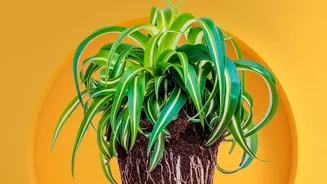
If you suspect root rot due to constantly wet soil, you need to act fast. Gently remove the plant from its pot and inspect the roots. Healthy roots are typically firm and white or tan. Roots affected by rot will be brown or black, mushy, slimy, and may even fall apart when touched. Using clean, sharp scissors or pruners, trim away all the soft, dark, and smelly roots until only healthy tissue remains. Some experts suggest treating the remaining healthy roots with a fungicide or a diluted hydrogen peroxide solution to kill any lingering pathogens. Finally, repot the plant in a new or sterilized pot with plenty of drainage holes, using a fresh, well-draining potting mix. Discard the old, contaminated soil.