

What Is a 'Use-First' Box?
The concept is brilliantly simple. A 'use-first' box is a designated, visible container in your refrigerator for produce that is most likely to spoil quickly. Think of it as a triage station for your vegetables. When you return from the market or receive
your weekly subscription box, you'll sort your produce and place the most delicate items into this box. Its purpose is to act as a constant visual reminder of what needs to be eaten in the next day or two. By keeping these items front and centre, you are far less likely to forget about them until it’s too late. This single habit can drastically reduce the amount of food that ends up in the bin.
Know Your Delicate Vegetables
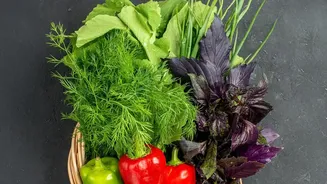
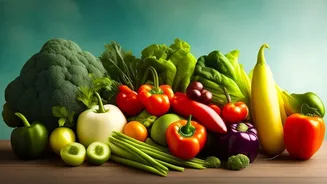
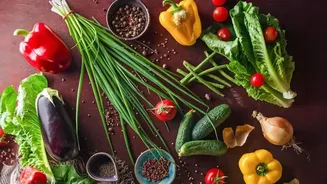
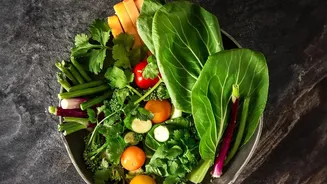
Success with this system begins with knowing which vegetables need priority placement. The most common culprits are those with high water content and fragile leaves, which makes them wilt and rot faster. This list includes most leafy greens like spinach, lettuce, methi (fenugreek leaves), coriander, and mint. Soft herbs are also prime candidates. Other vegetables to watch out for include mushrooms, which can become slimy; asparagus, which can go limp; spring onions; and green beans. Berries and other soft fruits also benefit from this 'eat me now' approach. Understanding which of your regular purchases fall into this category will make sorting them second nature.
Smart Storage Before the Box
Before an item even gets to the 'use-first' box, proper initial storage can extend its life. For leafy greens and soft herbs like coriander, avoid washing them until you're ready to use them, as excess moisture speeds up decay. A popular method for herbs is to trim the stems and place them upright in a jar with a little water, like a bouquet of flowers. For greens that you buy in a bag, placing a dry paper towel inside can help absorb excess moisture that causes sliminess. For mushrooms, a paper bag is a better storage solution than plastic, as it allows them to breathe and prevents them from becoming soggy. These small prep steps ensure your produce is in the best possible condition before its final countdown in the use-first box.
Setting Up Your System
To create your use-first box, you don't need anything fancy. Any clear, open container that fits in your fridge will work perfectly; being able to see the contents at a glance is key. The most important rule is location, location, location. Place the box on a prominent shelf at eye level. Don't hide it in a crisper drawer where it can be easily forgotten. The whole point is to make these items impossible to ignore every time you open the fridge. Make sorting your produce a non-negotiable step as soon as you get it home. This quick, five-minute 'triage' process will set you up for a week of less waste and more mindful eating.
Quick Ideas to Empty the Box
Now for the best part: using everything up. The beauty of the use-first box is that it encourages creative, low-effort meals. A handful of wilting spinach or coriander can be thrown into your morning dal, omelette, or smoothie. Slightly soft mushrooms can be quickly sautéed with garlic as a simple side dish. A mix of leftover vegetables can be chopped and turned into a quick stir-fry, a simple sabzi, a comforting soup, or even flavourful vegetable fritters. Don't overthink it. The goal is to use what you have. Having a dedicated box of 'must-use' ingredients can take the guesswork out of 'what's for dinner?' and inspire simple, delicious ways to ensure nothing goes to waste.