


The Sun's Turbulent Temperament
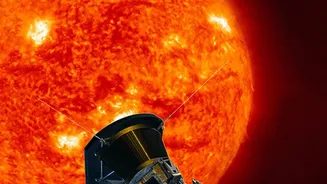
When we think of weather, we picture rain or sunshine. But there's another kind, born from the sun itself: space weather. The sun is a dynamic star, constantly emitting a stream of charged particles known as the solar wind. Occasionally, massive explosions
on its surface, called solar flares and coronal mass ejections (CMEs), hurl vast amounts of energy and matter into space. While many of these events miss our planet, those aimed at Earth can have profound consequences, interacting with our magnetic field and atmosphere in ways that threaten the very infrastructure of modern society.
A Three-Pronged Threat to Modern Life
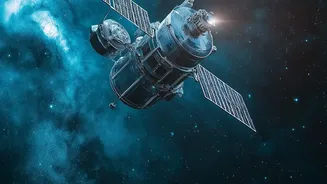
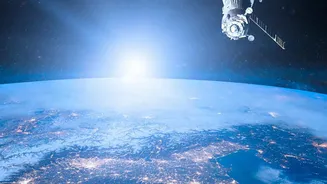
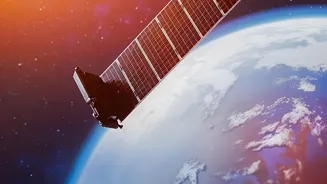
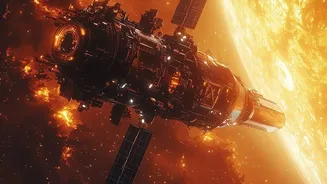
The danger from severe space weather is not abstract; it poses specific risks to three critical sectors. Power grids are vulnerable to geomagnetically induced currents (GICs), which are low-frequency electrical currents that can flow through long transmission lines during a geomagnetic storm. These currents can overload and damage high-voltage transformers, potentially leading to widespread and long-lasting blackouts. Satellites, which are essential for everything from GPS to internet service, face a barrage of high-energy particles that can damage sensitive electronics and solar panels. The heating of the upper atmosphere during a storm also increases drag on low-orbiting satellites, shortening their operational lifespan. Finally, telecommunications, including radio and GPS signals, can be disrupted or blacked out entirely as solar flares disturb the Earth's ionosphere, the atmospheric layer that these signals rely on.
Our Eyes on the Sky
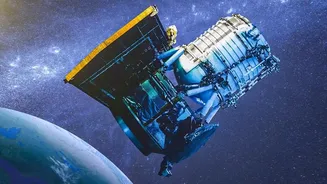
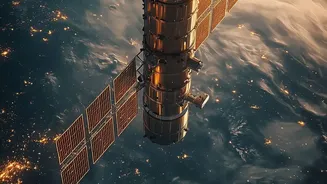
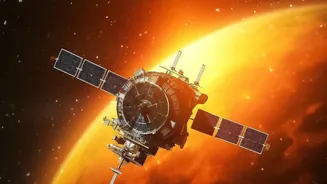
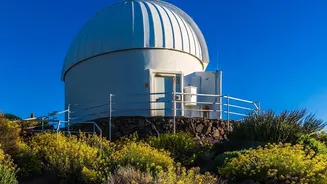
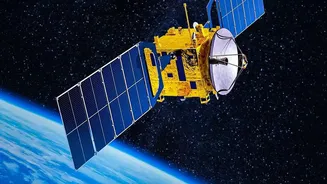
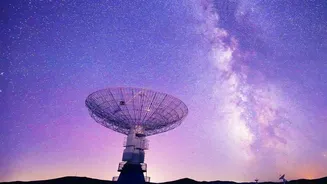
Fortunately, we aren't flying blind. A global network of space and ground-based observatories acts as our early warning system. Agencies like the U.S. National Oceanic and Atmospheric Administration (NOAA) and its Space Weather Prediction Center (SWPC) operate 24/7 to monitor the sun. Key assets include satellites like the Geostationary Operational Environmental Satellites (GOES), which provide continuous imagery of solar flares, and the Deep Space Climate Observatory (DSCOVR), positioned a million miles from Earth to detect solar wind changes before they reach us. This provides a crucial lead time—from minutes for solar flares to hours or days for CMEs—allowing us to prepare for impact.
From Data to Defensive Action
Receiving a warning is only half the battle; the real value lies in the actions it enables. Armed with forecasts from observatories, industries can take concrete steps to mitigate damage. Power grid operators can analyze which transformers are at risk and adjust loads or temporarily take them offline to prevent catastrophic failure. An economic analysis estimated that these forecasts help the U.S. electric power industry avoid losses that could range from millions to tens of billions of dollars for a single severe storm. Satellite operators can command their spacecraft into a protective 'safe mode', reorienting them to shield sensitive components. Airlines can reroute flights, particularly those over polar regions, to avoid communication blackouts and heightened radiation exposure for crew and passengers.
Building Resilience for the Future
As our reliance on satellite constellations, smart grids, and global communications deepens, our vulnerability to space weather grows. The sun itself follows an approximately 11-year cycle of activity, and preparing for the peak of these cycles is a major focus for governments and commercial entities. Continued investment in new and improved observatories, like NOAA's Space Weather Follow On (SWFO) program, is essential for improving forecast accuracy and lead times. By combining real-time monitoring with proactive operational strategies, we can harden our critical infrastructure against the inevitable storms from our star, ensuring the technology that powers our world remains secure.