





The Library for Drills, Not Books
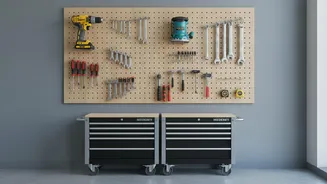
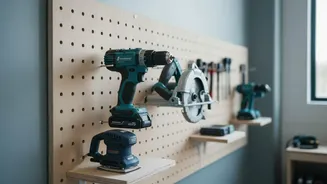
In the concrete jungles of urban India, a quiet revolution is taking root in residential complexes. It’s called a tool-sharing bank, or a ‘Library of Things’. The concept is simple: instead of every household owning a ladder, a drill, a wrench set, or a high-pressure
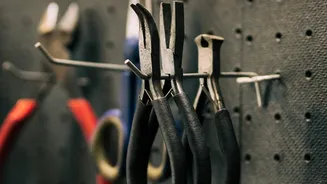
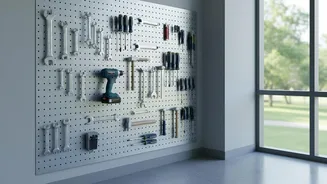
washer they might use once a year, the community collectively owns and shares a pool of these items. Residents can borrow what they need, use it, and return it for the next person. These are not just limited to power tools; libraries often include everything from camping gear and party supplies to gardening equipment and sewing machines. This initiative is a direct response to hyper-consumption and the challenges of modern city living—limited storage space, the high cost of single-use items, and a growing desire for a more sustainable lifestyle.
A Powerful Blow to E-Waste
One of the most significant benefits of this sharing model is its impact on electronic waste. India is the world's third-largest producer of e-waste, generating millions of tonnes annually from discarded electronics and electrical equipment. Power tools, with their batteries and electronic components, contribute to this growing problem. The average drill, for instance, is famously used for only about 13 minutes in its entire lifetime. When hundreds of households in a single apartment complex each own one, it represents a massive underutilisation of resources. By sharing one or two high-quality drills among hundreds of residents, a tool bank drastically reduces the number of units purchased and, eventually, discarded. This practice extends the life of each tool and keeps them out of landfills, directly combating the e-waste crisis, which is growing at a rate of 10% each year in India.
From Neighbours to a Community
Beyond the environmental and financial perks, tool banks are proving to be powerful catalysts for building community. In an urban environment where neighbours can live side-by-side for years without knowing each other, the simple act of borrowing a tool creates a point of connection. It fosters interaction, trust, and a sense of collective ownership. These libraries often become more than just a storage closet; they evolve into community hubs. Some societies have used apps to manage inventory and reservations, while others rely on a simple register managed by a volunteer. This collaborative effort strengthens social ties and builds a resilient neighbourhood network, a resource that proved invaluable during crises like the COVID-19 lockdowns, where community-led initiatives were crucial for support and mobilisation.
Getting a Tool Bank Started
While the idea is compelling, launching a tool bank requires planning. Key considerations include sourcing the initial inventory—often through resident donations of surplus tools—and securing a physical space for storage. Establishing clear rules for borrowing, returns, and handling damages is also essential for smooth operation. Maintenance is another factor; volunteers often clean and repair items to ensure they remain in good working order. Despite these logistical hurdles, the model is gaining traction. Smart city development companies are beginning to incorporate the 'Library of Things' concept into their affordable housing projects across India, recognising its value in lowering living costs and promoting sustainable behaviour. For societies looking to start their own, the first step is often the simplest: talking to neighbours and gauging interest in building a shared collection of resources.