




What Exactly Is Sattu?
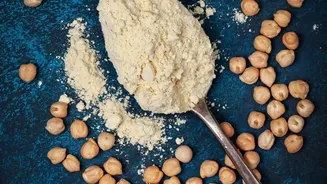
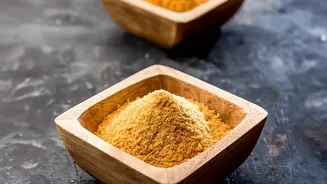
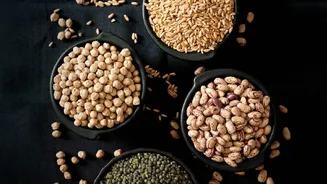
Sattu is a flour made from roasted and ground pulses and cereals, most commonly Bengal gram (chana). This ancient Indian superfood has been a staple in regions like Bihar, Uttar Pradesh, and Jharkhand for centuries. The dry-roasting process is key; it
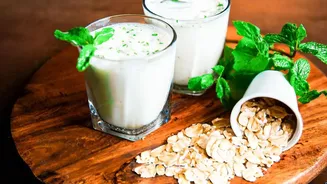
not only imparts a unique nutty flavour but also enhances the digestibility and shelf life of the flour, making it a convenient, ready-to-eat source of nutrition. Traditionally consumed as a cooling drink ('sharbat') to combat summer heat or used as a filling in parathas and litti, sattu has long been valued for its energy-boosting properties by everyone from farmers to wrestlers.
A Nutritional Powerhouse for Recovery
The modern fitness community's interest in sattu is easy to understand when you look at its nutritional profile. A 100-gram serving packs an impressive 20-26 grams of plant-based protein, making it comparable to many commercial whey powders but without the additives or high cost. This protein is crucial for repairing muscle tissues that get damaged during exercise. Beyond protein, sattu is rich in dietary fibre, which promotes a feeling of fullness and aids digestion. It also has a low glycemic index, meaning it provides a sustained release of energy without causing blood sugar spikes, preventing the dreaded post-workout energy crash. Furthermore, it’s loaded with essential minerals like iron, magnesium, and calcium, which are vital for muscle function and fighting fatigue.
From Refreshing Drink to Hearty Bowl
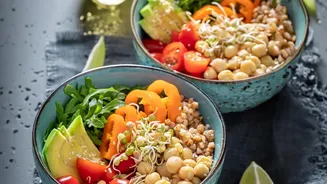
While the classic sattu sharbat—mixed with water, lemon juice, and black salt—is a fantastic hydrator, fitness fans are evolving its use. The shift towards post-workout bowls is about creating a more substantial, satisfying, and nutritionally complete meal. A drink can be hydrating, but a bowl offers better satiety and becomes a vehicle for other healthy ingredients like fruits, nuts, and seeds. This transforms sattu from a quick energy drink into a proper recovery meal that keeps you full longer and provides a wider array of textures and nutrients. This trend reflects a broader movement towards whole, unprocessed foods over packaged supplements for fitness recovery.
How to Build Your Perfect Sattu Bowl
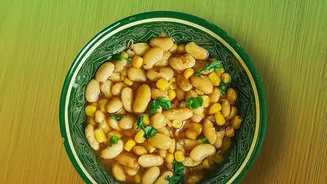
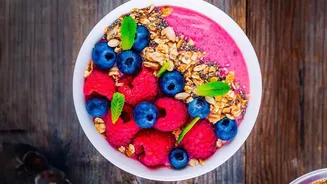
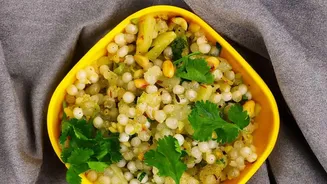
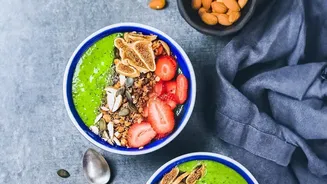
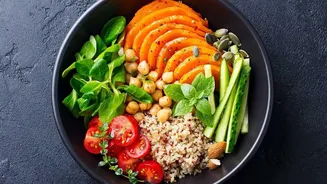
Creating a post-workout sattu bowl is simple and highly customisable. The goal is to combine protein, carbohydrates for glycogen replenishment, and healthy fats. Start with a base of 3-4 tablespoons of sattu flour in a bowl. Slowly add a liquid like water, milk, or plant-based yogurt, mixing continuously to form a thick, spoonable paste, free of lumps. From there, it's all about the toppings. For a sweet version, mix in a little jaggery or honey and top with sliced banana, berries, nuts like almonds or walnuts, and seeds like chia or flax. For a savoury twist, which is a more traditional preparation, mix the sattu paste with finely chopped onion, tomato, fresh coriander, a squeeze of lemon juice, and a pinch of roasted cumin powder and black salt. This savoury bowl can be a refreshing and hearty meal after a tough workout.
A Smart, Sustainable Choice
The return to sattu is more than just a passing trend; it's a smart and sustainable choice. It is an affordable, locally sourced superfood that has been a part of Indian food culture for generations. By incorporating it into their modern wellness routines, young fitness enthusiasts are not only benefiting from its incredible nutritional profile but are also reconnecting with a traditional ingredient. It proves that effective sports nutrition doesn't always have to come from an expensive tub of imported powder. Sometimes, the best solutions are found in the wisdom of our own kitchens, cleverly adapted for the needs of today.