



The Evolution of Eggless Baking
For years, vegetarian baking in India has been a practice of smart substitution, born from cultural traditions and dietary needs. The 'eggless cake' is a staple, often relying on condensed milk, yogurt, or vinegar and baking soda to achieve a decent crumb.
But while these methods are effective, a quiet revolution has been underway. Driven by a global surge in plant-based eating and culinary innovation, vegetarian baking is moving beyond mere replacement. The new philosophy isn't just about making a cake without eggs; it's about creating a superior baked good with exciting new ingredients that offer unique textures and flavours. This shift is turning home kitchens into creative labs where bakers are discovering that eggless and dairy-free don't have to mean second-best.
The Magic of Aquafaba
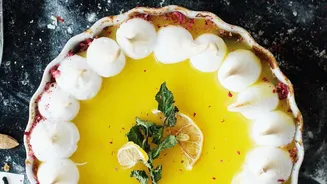
Perhaps the most celebrated discovery in modern vegetarian baking is aquafaba—the humble, viscous liquid from a can of chickpeas. Once discarded, this liquid has been found to mimic the properties of egg whites with astonishing accuracy. When whipped, aquafaba transforms into a stable, airy foam perfect for making meringues, macarons, mousses, and light-as-air frostings. For general baking, it acts as a fantastic binder in cookies and brownies without being whipped. The standard conversion is simple: three tablespoons of aquafaba replace one whole egg, while one tablespoon can stand in for an egg white. This magical ingredient, which costs next to nothing, has single-handedly opened up a world of delicate desserts that were previously off-limits to egg-free bakers.
Fats and Flours Reimagined
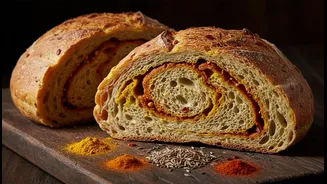
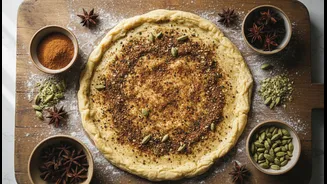
The transformation continues in the flour and fat departments. Plant-based butters, once waxy and flavourless, have improved dramatically, offering the richness and texture of dairy butter. Coconut oil, with its unique flavour profile, has become a favourite for creating moist cakes and crisp cookie edges. Beyond fats, the world of flours has exploded. Bakers are moving beyond refined white flour and whole wheat to explore an array of alternatives. Flours made from almonds, oats, and coconuts are becoming mainstream for their flavour and textural properties. In India, this trend resonates with tradition, as bakers rediscover the potential of local millets, amaranth (rajgira), and buckwheat (kuttu) flour, blending ancient grains with modern baking techniques to create everything from rustic breads to sophisticated cakes.
Global Inspiration Meets Local Palates
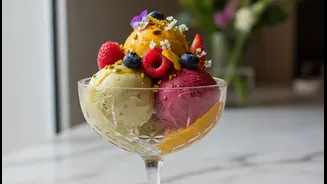
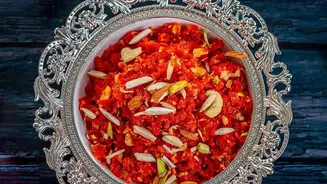
This global upgrade isn't just about ingredients; it's about ideas. International dessert trends are being adapted with a vegetarian twist. Think of vegan Japanese-style fluffy pancakes, dairy-free versions of Italian tiramisu, or plant-based French patisserie, where flaky croissants are now achievable thanks to high-quality vegan butters. In India, this translates to exciting fusion desserts. Traditional sweets are also getting a makeover; you might find a besan ladoo made with coconut oil instead of ghee, or a gajar ka halwa simmered with creamy oat milk. These innovations are not about replacing traditional recipes but expanding the culinary repertoire, allowing home bakers to experiment with global flavours while staying true to their vegetarian roots. The global vegan baking ingredients market is expanding rapidly, reflecting a structural shift in how people bake at home and commercially.