
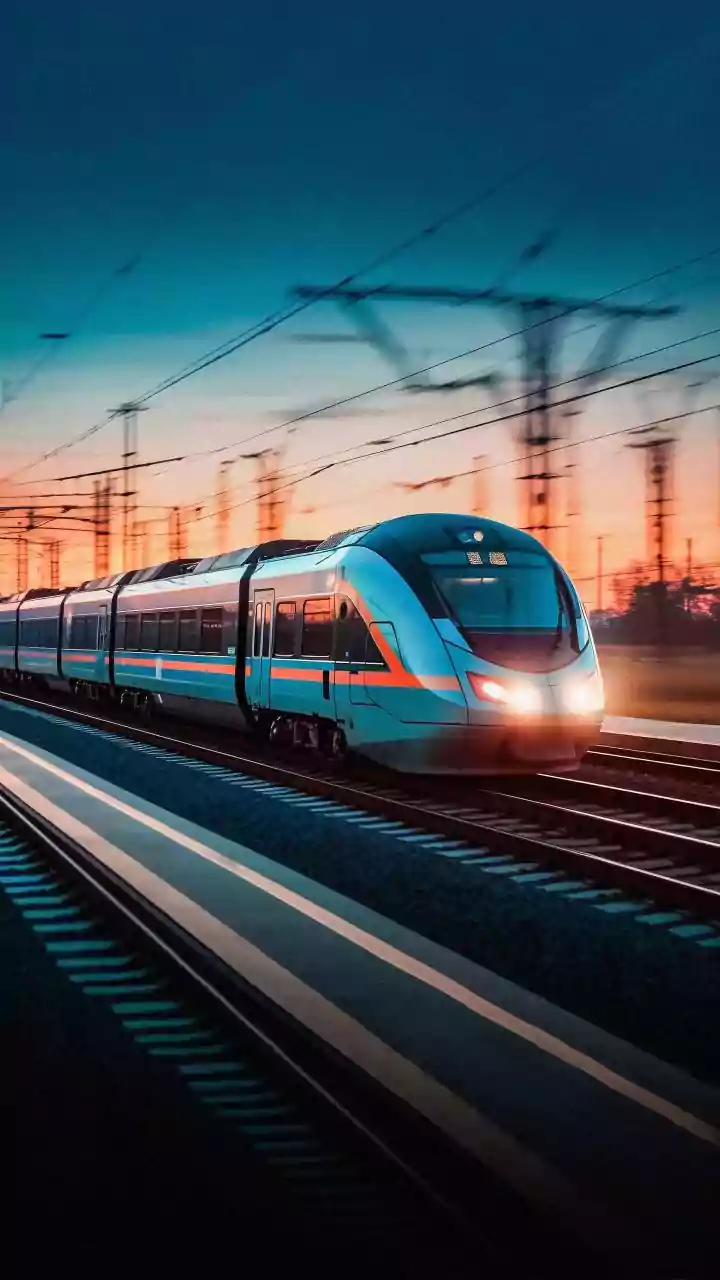
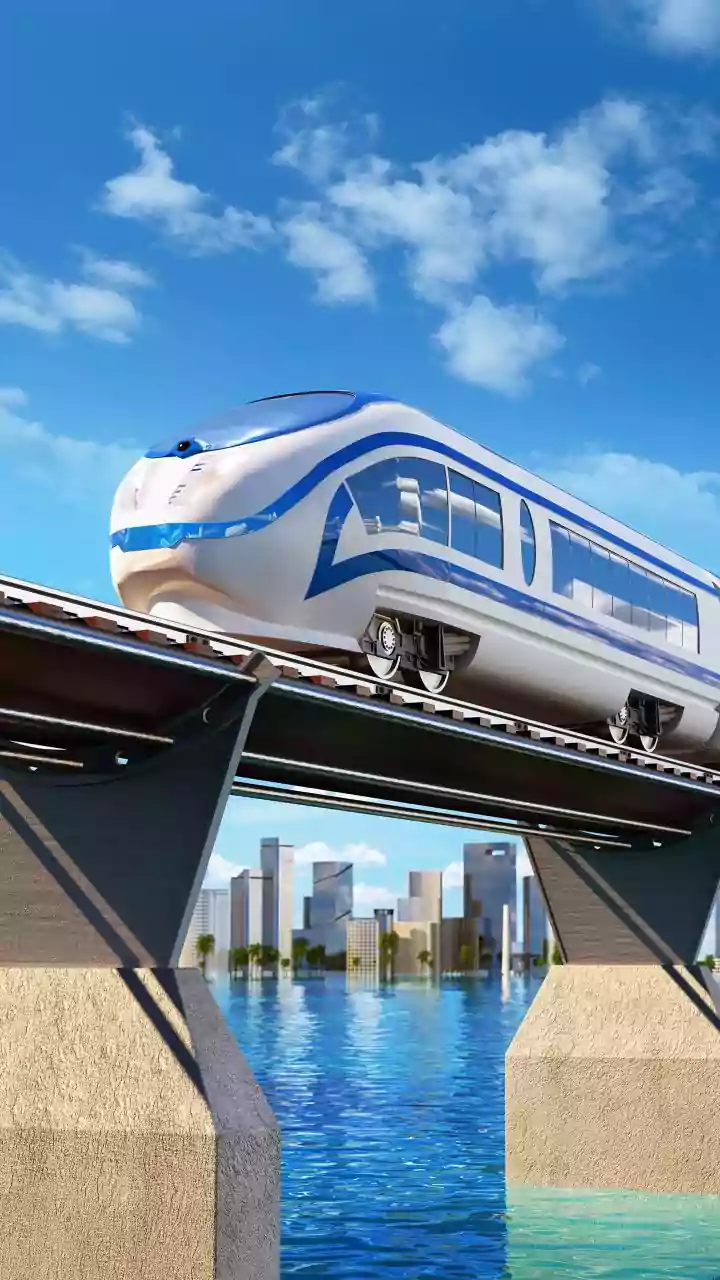
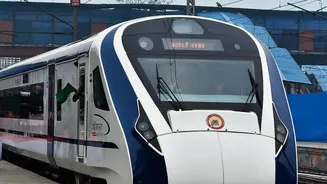
India's dream of high-speed rail travel is steadily taking shape along the 508-kilometre Mumbai-Ahmedabad corridor. With a new target set for 2027, the nation's first bullet train project is advancing from blueprint to reality.
The 2027 Goal: What It Really Means
The 2027 deadline does not
signify the launch of the entire 508-kilometre line. Instead, officials are targeting the start of commercial services on a priority section within Gujarat. Recent statements from Railway Minister Ashwini Vaishnaw point to the last quarter of 2027 for the first passenger service, likely on the Surat-Vapi stretch. Meanwhile, trial runs on a nearly 50-kilometre section between Surat and Bilimora are anticipated even earlier, by May 2027. This phased approach allows the National High Speed Rail Corporation Limited (NHSRCL), the project's implementing agency, to test infrastructure and begin operations on stretches where construction is most advanced.
On-the-Ground Progress Report
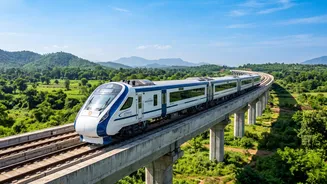
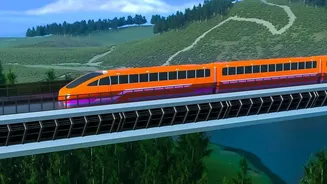
Construction activity is most visible in Gujarat, where a significant portion of the work is complete. As of late 2026, hundreds of kilometres of piers and viaducts have been erected. A major milestone was achieved in November 2026 when the 50-km Surat-Bilimora section's overhead electrical system was energised, a critical step for powering the trains. Work on all 12 stations is underway, with civil works completed at eight. The project involves immense engineering feats, including 25 river bridges, 28 steel bridges, and India's first undersea rail tunnel near Mumbai. While progress in Gujarat is rapid, the Maharashtra section, with its complex underground station at Bandra Kurla Complex and the 7-km undersea tunnel, has faced more challenges.
The Technology Driving the Dream
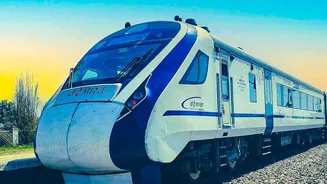
The project is a landmark collaboration between India and Japan, utilising Japan's renowned Shinkansen 'bullet train' technology. This includes not just the trainsets but also the signalling, safety standards, and track systems. Japan is providing technical expertise and significant financial assistance for the corridor, which is designed for operational speeds of 320 km/h. This would slash the travel time between Mumbai and Ahmedabad from over five hours on the fastest current trains to just under two hours. In a boost for 'Make in India', an indigenous high-speed train, capable of running at 280 km/h, is being developed by BEML and is expected to be used for the initial trial runs.
Challenges and the Road Ahead
A project of this magnitude is not without its hurdles. Initial delays were caused by the COVID-19 pandemic and significant challenges in land acquisition, particularly in Maharashtra. Even Japanese officials have noted that the project's timeline has lagged behind initial expectations, though they acknowledge that progress is now steady. The construction itself is complex, involving building viaducts over existing railway lines and highways and tunnelling under dense urban areas and the sea. Despite these issues, the consistent achievement of construction milestones in recent years shows a clear momentum towards the 2027 goal for the first phase.
More Than Just a Train
The Mumbai-Ahmedabad corridor is seen as a blueprint for India's larger high-speed rail ambitions. The government has already identified seven additional corridors for future development, spanning nearly 4,000 kilometres and connecting major economic hubs across the country. The current project is a catalyst for creating a domestic ecosystem for high-speed rail manufacturing, from rolling stock to complex electrical components. Beyond technology, the bullet train is expected to spur economic development along its route, creating thousands of direct and indirect jobs and enhancing connectivity between two of India's most vital commercial centres.